From the file. Written for the paper dated April 2004. Opened in the public stacks July 14, 2026.
As the nation gears up for the critical 2004 elections, the discourse surrounding voting machinery has intensified, revealing deep divides in both policy and public perception.
The State of Voting Machinery
With the presidential election just months away, questions about the reliability and integrity of voting machines have reached a fever pitch. The ongoing debates highlight not just technical concerns but also the broader implications for democracy itself. On one side, there is a fervent push from officials and advocates who emphasize the need for modernized systems to ensure accurate and fair elections. On the other, skepticism and accusations of partisanship cloud the conversation.
In many states, aging voting machinery has become a focal point of criticism. Reports of malfunctioning machines and long lines at polling places have raised alarms about potential disenfranchisement. As legislators scramble to secure funding for upgrades, citizens are left wondering whether their votes will truly count. While some argue for the implementation of paper trails and optical scan systems, others fear that such changes may lead to confusion and additional complications.
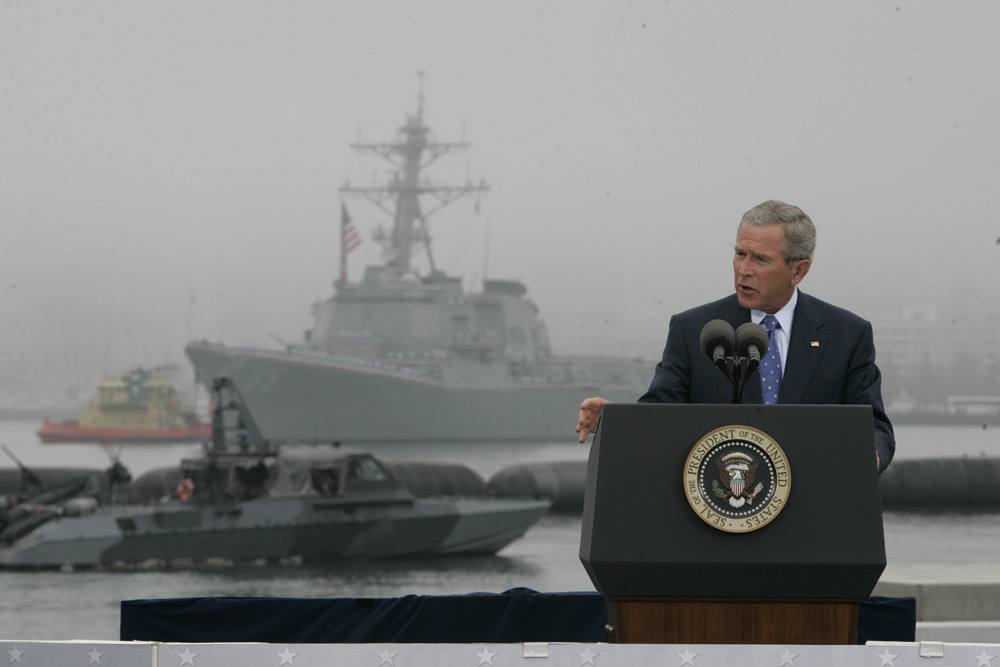
"The integrity of our democracy hinges on the reliability of our voting systems." - Election reform advocate
Partisan Perspectives
The debate over voting machinery has not been immune to the polarizing nature of American politics. On the left, there is a strong insistence on the need for comprehensive reform to protect against what they perceive as a systematic threat to democratic processes. Advocates argue that many current machines are outdated and vulnerable to tampering, and they call for immediate action to rectify these issues.
Conversely, some voices on the right caution against knee-jerk reactions that might inadvertently compromise election security. They argue that while improvements are necessary, the focus should be on maintaining the integrity of existing systems rather than replacing them entirely. This faction often views the push for reform as a politically motivated maneuver rather than a genuine effort to safeguard democracy.
The Role of Technology
As various states experiment with different technologies, the conversation inevitably shifts toward the balance between innovation and reliability. Proponents of advanced voting systems tout the benefits of electronic voting machines, arguing that they can streamline the voting process and reduce human error. However, critics raise concerns about security vulnerabilities, questioning whether these machines can truly be trusted.
In some jurisdictions, paper ballots are making a comeback as a safeguard against potential fraud. Yet, the implementation of such systems is not without its challenges. The logistics of counting and storing paper ballots, especially in high-turnout elections, can create new headaches for election officials. This tension between embracing technology and ensuring security is a central theme in the current discussion.
Public Sentiment
Public sentiment regarding voting machinery is a mixed bag. Many voters express frustration about their experiences with voting machines, recounting stories of malfunctioning ballots and confusion at polling places. These personal accounts bring to light the very real impacts that malfunctioning equipment can have on voter turnout and participation.
A growing number of citizens are demanding transparency in the voting process, calling for clearer regulations and oversight of voting technology. This demand for accountability is driven not only by a desire for fair elections but also by a deeper yearning for trust in the democratic process. As voters voice their concerns, the challenge for lawmakers is to strike a balance that addresses these anxieties without succumbing to fear-based policies.
Looking Ahead
As we approach the November elections, the urgency for reforming voting machinery becomes even more pronounced. The stakes are high, and the potential consequences of inaction could reverberate far beyond this election cycle. It is imperative that election officials, lawmakers, and the public come together to find solutions that bolster the integrity of the electoral process while maintaining the fundamental principles of democracy.
In this polarized landscape, it is crucial for all parties to acknowledge the importance of a secure and efficient voting system. As we navigate this complex issue, the voices of everyday voters must remain at the forefront of the conversation, ensuring that their rights and concerns are not overshadowed by partisan agendas.
✦ ✦ ✦