From the file. Written for the paper dated April 2004. Opened in the public stacks July 14, 2026.
As the calendar turns to April, the issue of surgical backlog remains a critical concern across American healthcare systems. This week, we delve into the complexities of the topic, exploring both the challenges faced by healthcare providers and the responses from various stakeholders.

The Current State of Surgical Backlog
In recent months, hospitals nationwide have reported significant increases in surgical backlogs, a situation exacerbated by a variety of factors, including staffing shortages, insurance reimbursement issues, and an aging population requiring more complex procedures. The backlog has implications not only for patients awaiting surgery but also for the healthcare system as a whole.
According to healthcare analysts, the surgical backlog is a symptom of deeper systemic problems. Facilities are struggling to manage the increasing demands for elective surgeries, particularly in orthopedic and cardiac care, which are often postponed in favor of more urgent cases. This juggling act has led to longer wait times and growing frustration among patients.
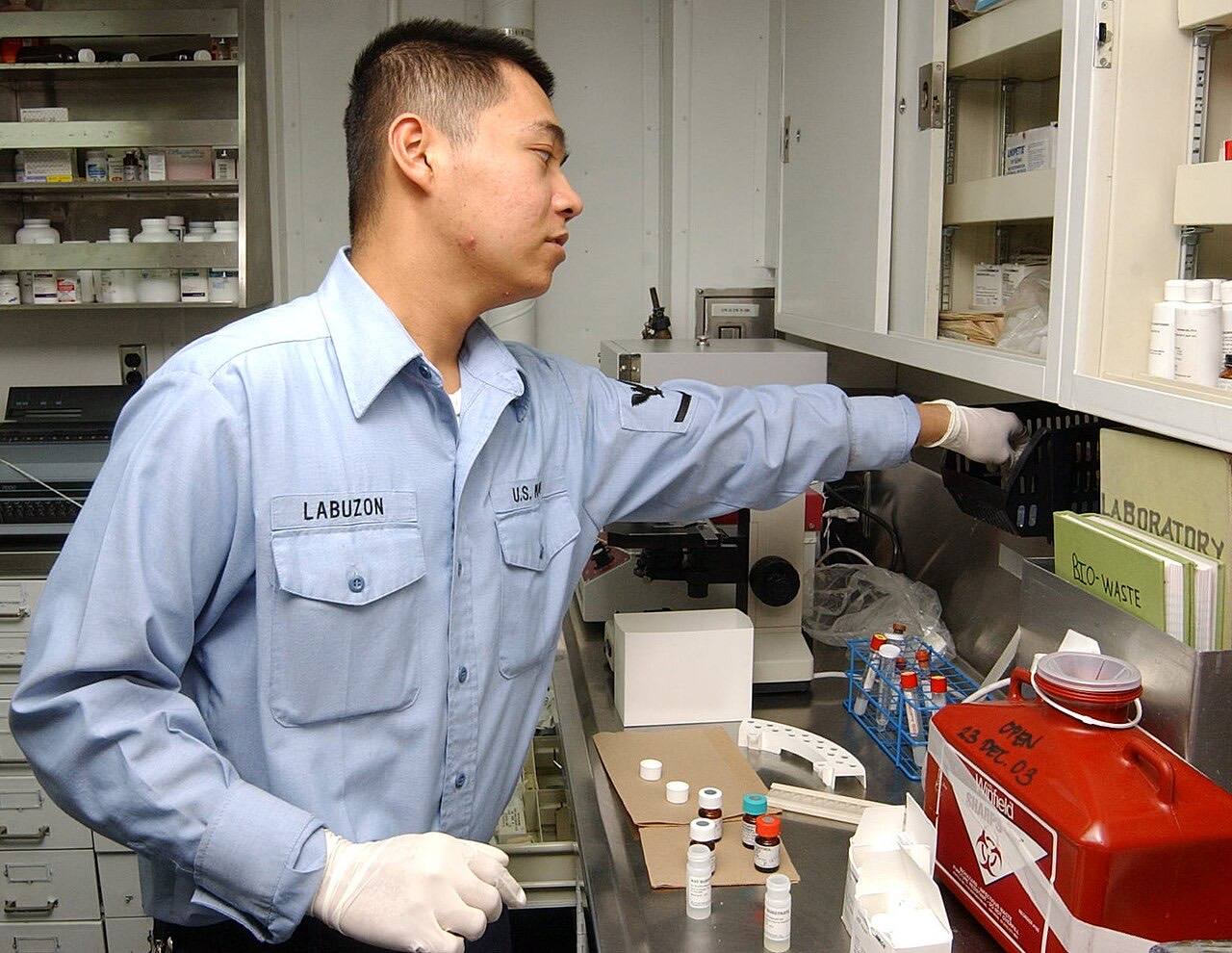
“The surgical backlog is not just a number; it represents real people waiting for care.”
Political Responses: Left and Right
The political landscape surrounding healthcare reform has been charged in recent weeks, with both parties using the surgical backlog as a talking point. On the left, some Democratic lawmakers are advocating for increased funding to hospitals and the expansion of public health programs to alleviate pressure on surgical facilities. They argue that a more robust public health system would ensure timely access to care for all citizens.
On the other hand, Republican leaders are emphasizing the importance of market-driven solutions. They propose incentivizing private sector involvement to increase surgical capacity and improve efficiency. However, critics argue that this approach neglects the realities of healthcare access for low-income patients and may lead to a greater divide in quality of care.
The Patient Experience
For many individuals caught in the surgical backlog, the experience is both frustrating and anxiety-inducing. Patients report feeling like mere statistics, their needs overshadowed by the administrative burdens faced by healthcare providers. One patient, awaiting a hip replacement, expressed concern over how these delays could affect their long-term health, stating, “Every day I wait is another day my quality of life suffers.”
Healthcare professionals also share the sentiment of frustration. Many are dedicated to their patients yet feel overwhelmed by the administrative and bureaucratic challenges that come with navigating insurance requirements and hospital protocols. The disconnect between patient needs and institutional capabilities is palpable, leading to a growing call for reform from within the industry.
Proposed Solutions
As the backlog continues to grow, various solutions have been proposed to tackle the issue. Some experts advocate for the implementation of centralized scheduling systems to better manage patient flow and prioritize cases based on medical necessity. Others suggest increasing the number of surgical teams available, which could involve recruiting more healthcare professionals or offering incentives for those willing to work in high-demand areas.
In addition, there is a growing conversation around the role of telemedicine in pre-operative assessments. By leveraging technology, healthcare providers may be able to streamline the process and reduce unnecessary in-person visits, ultimately freeing up time for actual surgeries.
Conclusion
As we assess the surgical backlog in April 2004, it is clear that this issue transcends partisan divides. Both sides of the political spectrum must engage in constructive dialogue to find viable solutions that prioritize patient care while addressing the operational challenges faced by healthcare systems. The stakes are high; the health and well-being of countless individuals depend on our collective action to resolve this pressing issue.
✦ ✦ ✦