From the file. Written for the paper dated March 2004. Opened in the public stacks July 14, 2026.
As the political landscape shifts and the nation grapples with pressing challenges, the discourse surrounding Executive Orders has reached a fever pitch. Yet, amidst the fervor, it seems that no one wants to discuss the underlying procedures that govern these powerful instruments.
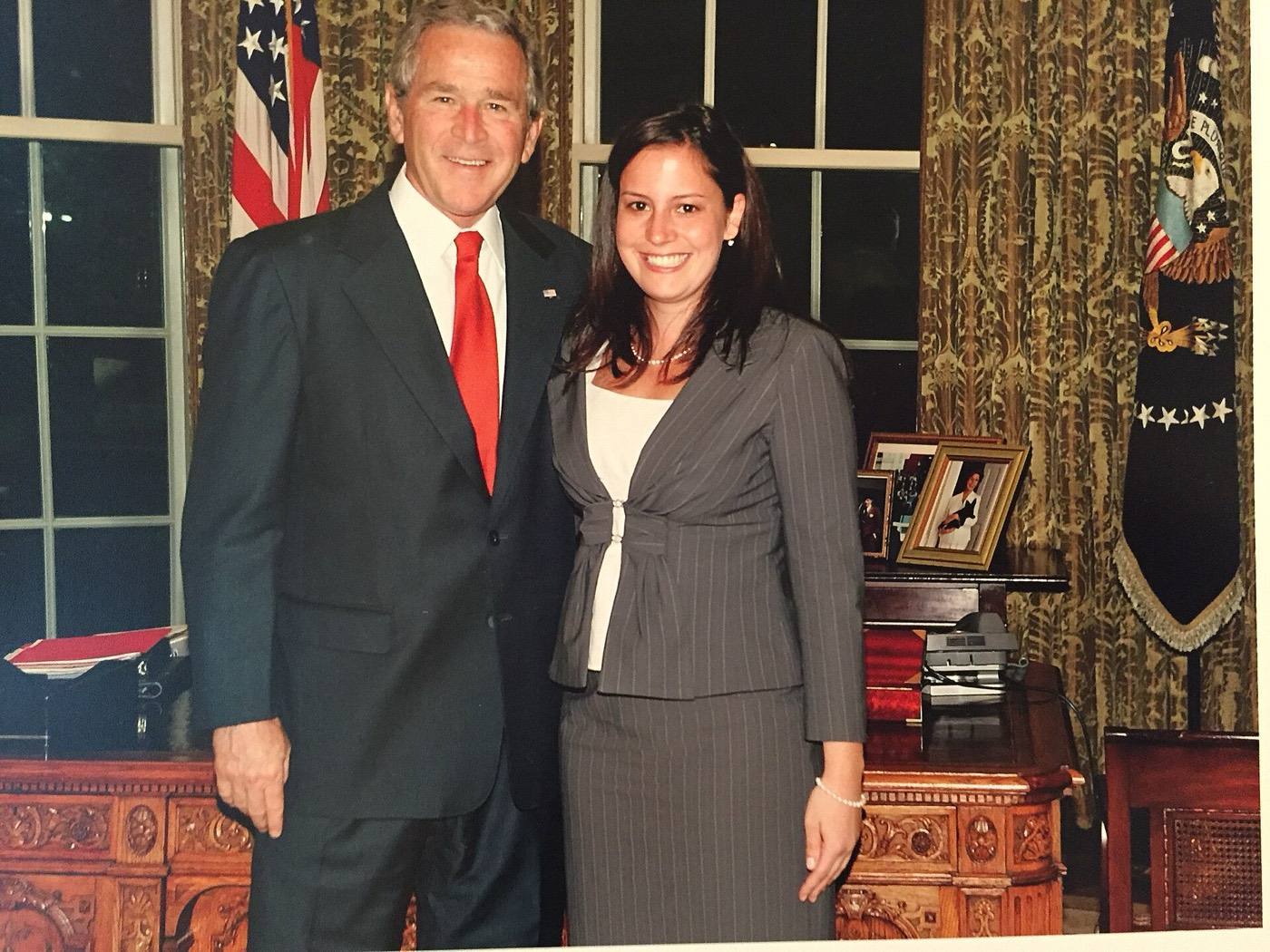
The Power of the Pen
In recent months, the use of Executive Orders has become a cornerstone of political strategy. Faced with a divided Congress and rising public discontent, the current administration has increasingly turned to this tool to implement policy changes without the lengthy process of legislative approval. While this method can lead to swift action, it also raises significant questions about the balance of power and the democratic process.
On one side of the political spectrum, supporters of the administration argue that Executive Orders are a necessary response to urgent national issues. They contend that in times of crisis, such as the ongoing war on terror and economic instability, the President must be able to act decisively. Indeed, the current executive has issued numerous orders aimed at addressing security concerns and economic recovery efforts.
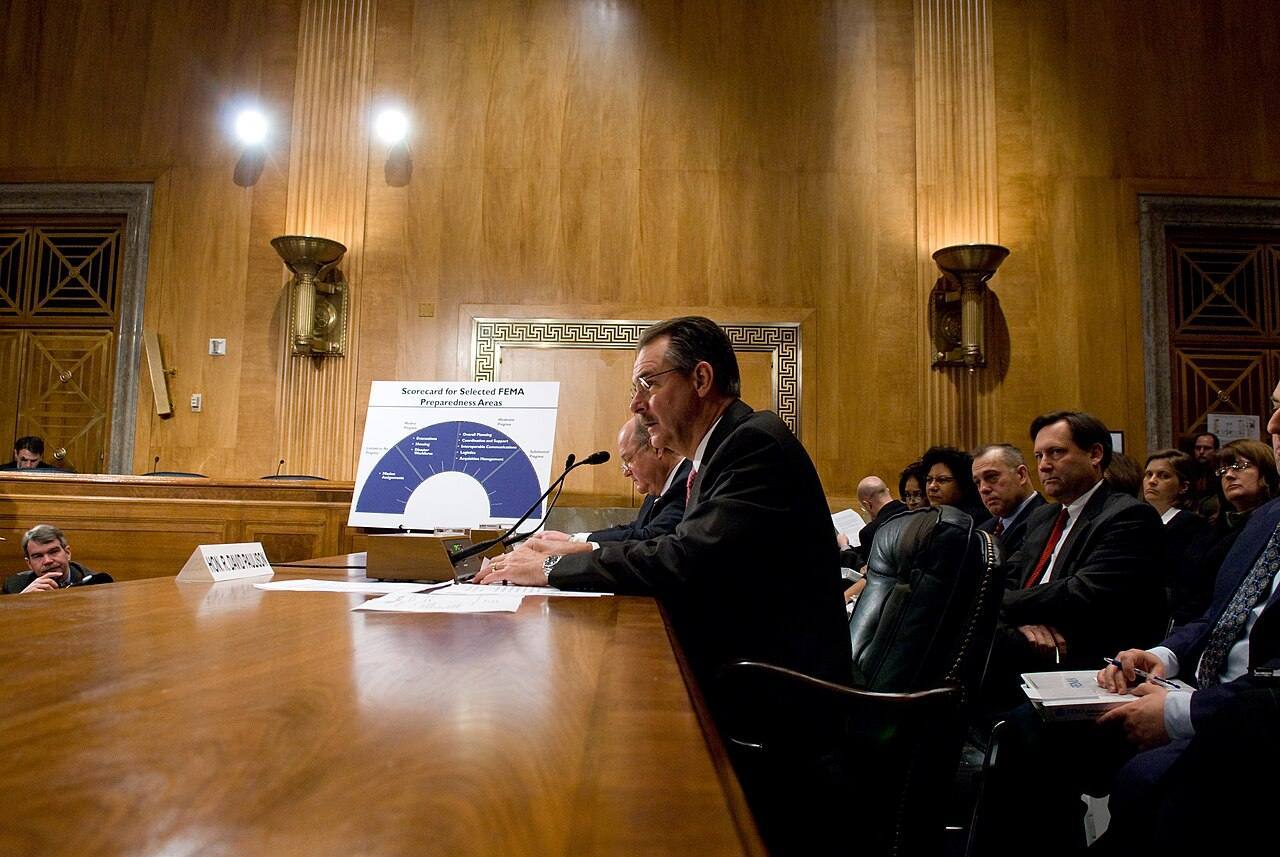
However, this mindset can lead to an alarming disregard for the checks and balances that are integral to our democratic system. The left, while often critical of the executive's use of power, has been guilty of overlooking the implications of bypassing Congress when it suits their agenda. This hypocrisy undermines the very principles they advocate for - transparency, accountability, and respect for the legislative process.
The Left's Lament
Meanwhile, the left-wing critique of Executive Orders has often veered into hyperbole. Critics have painted a picture of an imperial presidency, suggesting that the current executive is systematically dismantling democratic norms. While it is true that unchecked power poses a threat, such alarmist rhetoric can obscure the real issues at hand. Rather than focusing solely on the actions of the current administration, it is essential to examine the processes that allow for such unilateral decision-making.
"The President's pen should not wield more power than Congress's gavel."
Many on the left have also failed to propose constructive alternatives to Executive Orders. Instead of merely opposing the actions taken, they should be advocating for reforms that strengthen the legislative process and enhance collaboration between branches of government. The absence of a clear, unified strategy from the left leaves a vacuum that can be easily exploited by the right, further entrenching the cycle of political polarization.
The Right's Rationale
Conversely, the right has embraced the use of Executive Orders as a hallmark of decisive leadership. Proponents argue that the ability to act without Congressional approval is a necessary tool for the President to navigate complex and urgent issues. However, this stance raises uncomfortable questions about the long-term ramifications of such a strategy. The danger lies in the potential normalization of executive overreach, which could set a precedent for future administrations, regardless of their political affiliation.
In a climate where both parties are quick to decry the other's use of Executive Orders while justifying their own, the American public is left to grapple with the consequences. The right's defense of executive action often lacks a nuanced understanding of the implications for governance. The dismissive attitude toward legislative processes can alienate constituents who yearn for a more collaborative approach to leadership.
A Call for Reflection
As we navigate this contentious political terrain, it is imperative for both sides to reflect on the implications of their respective approaches to Executive Orders. The discourse must shift from mere partisan bickering to a more robust examination of the underlying procedural issues that allow for such unilateral power. Citizens deserve a government that operates transparently, with respect for the legislative process and the voices of the electorate.
✦ ✦ ✦