From the file. Written for the paper dated March 2004. Opened in the public stacks July 14, 2026.
In the wake of a high-profile academic fraud case, a closer examination reveals not only the specifics of the deceit but also the troubling procedures that are often overlooked in the rush to judgment.
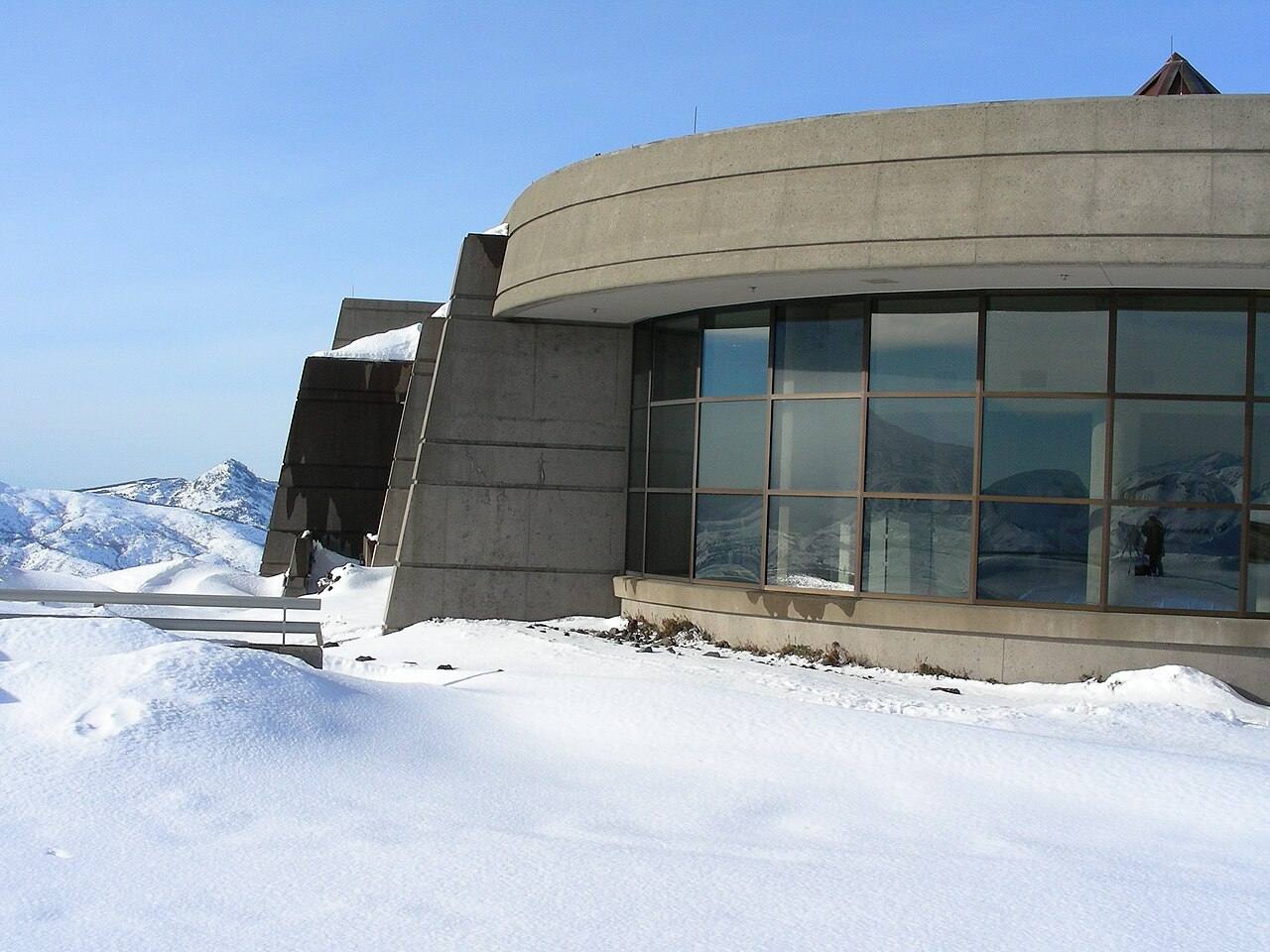
The Case That Shook Academia
In recent weeks, the academic community has been rocked by revelations surrounding a prominent researcher who allegedly falsified data in pivotal studies. The case has garnered national attention, igniting debates about the integrity of scientific research and the responsibilities of institutions to uphold standards. However, beneath the sensational headlines lies a more complex issue that many are hesitant to confront: the procedural shortcomings that often enable such fraud to thrive.
“The real scandal may not just be the fraud itself, but how our systems often fail to catch it before it escalates.”
As universities and research institutions scramble to address this scandal, it is crucial to analyze the very frameworks that allow for such breaches of trust. Institutional oversight, peer review processes, and the pressures of academic advancement all play significant roles in either preventing or exacerbating instances of fraud.
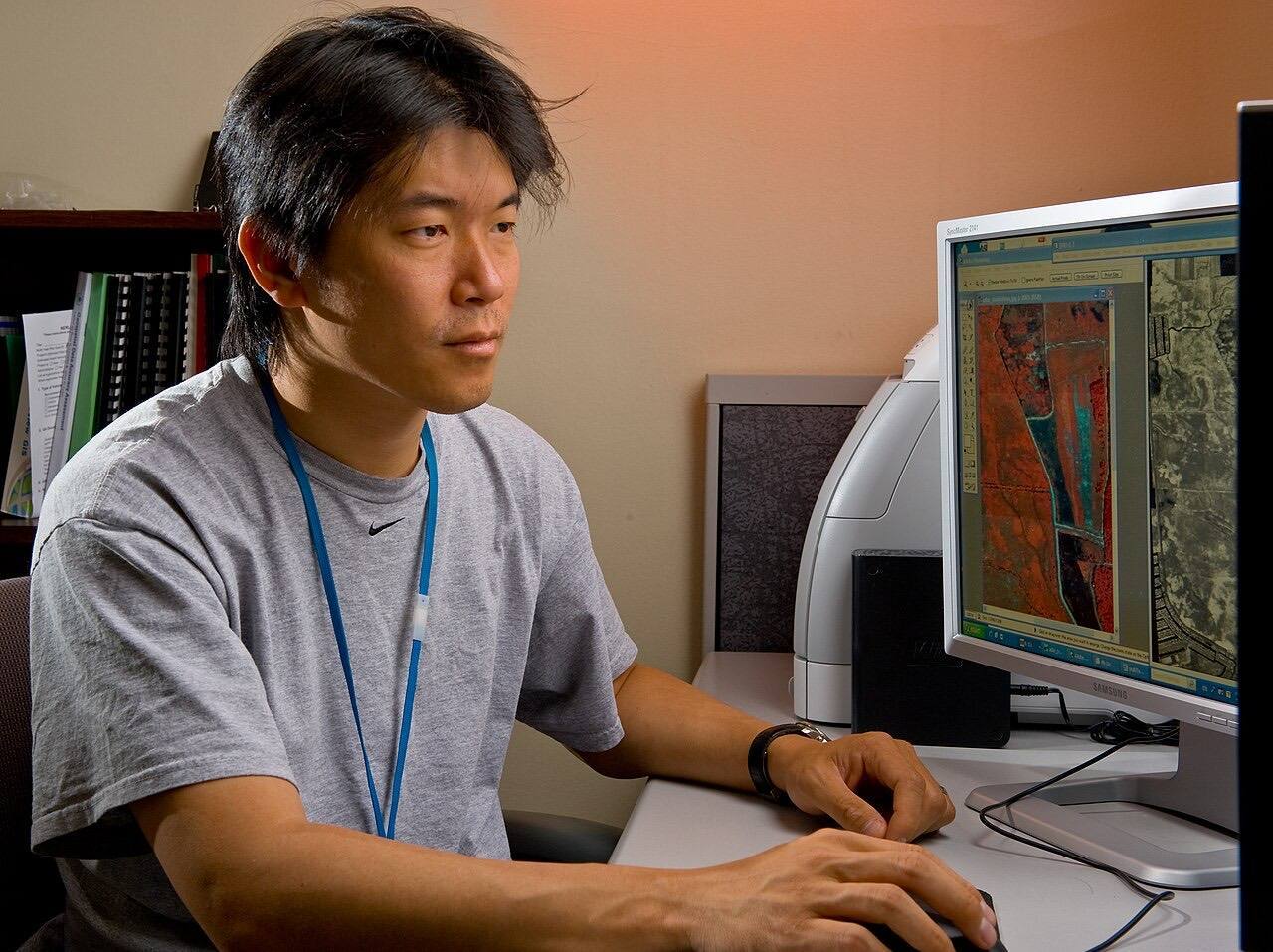
The Pressure Cooker of Academia
At the heart of the issue is an unrelenting pressure on researchers to produce publishable results. In an environment where funding and career progression hinge on productivity, the temptation to cut corners can be overwhelming. This isn't merely a problem of individual ethics; it reflects a systemic failure that encourages questionable practices.
As researchers face mounting obligations, the competition for grants and recognition can lead to a culture where results are prioritized over rigorous methodology. The narrative often focuses on the individual perpetrator, but what about the institutions that foster such an environment? The very structures that are supposed to uphold academic standards can inadvertently contribute to a climate of fear and desperation.
Peer Review: A Flawed Safeguard
Another area that warrants scrutiny is the peer review process. While it is designed to ensure the quality and validity of academic work, the system is not without its flaws. Many reviewers are themselves researchers, who may be reluctant to challenge the work of their peers or colleagues for fear of damaging professional relationships or reputations.
This reluctance can create a false sense of security, allowing fraudulent studies to slip through the cracks. If the peer review system is to maintain its integrity, it must evolve to address these inherent biases and promote a culture of accountability rather than complicity.
Accountability and Transparency
Moreover, accountability mechanisms within institutions often fall short. When allegations of fraud arise, the response can be slow and shrouded in secrecy. The protection of institutional reputation frequently takes precedence over the need for transparency and the pursuit of truth. This lack of clarity can leave students and junior researchers disillusioned, further eroding trust in the academic community.
As this scandal unfolds, it serves as a critical reminder that the fight against academic fraud cannot solely rest on the shoulders of individual researchers. It requires a comprehensive reevaluation of the systems that govern academic practices. Institutions must foster an environment that encourages ethical behavior and puts the integrity of research above all else.
A Call for Reform
In the wake of this incident, the call for reform is more urgent than ever. Stakeholders across academia must engage in a candid dialogue about the pressures that lead to fraud and the changes necessary to mitigate these risks. This includes revisiting funding structures, reevaluating publication expectations, and enhancing the peer review process to ensure that it is both rigorous and fair.
Moreover, institutions need to implement robust training programs that emphasize the importance of ethics in research. Encouraging open discussions about ethical dilemmas can empower researchers to make better decisions and seek help when faced with pressures that may lead to misconduct.
As we navigate the fallout from this scandal, let us not forget that the ultimate goal of academia is to advance knowledge and understanding. If we are to maintain the integrity of our research institutions, we must confront the uncomfortable truths that lie beneath the surface. Only then can we hope to rebuild trust and ensure that the quest for knowledge remains untainted by deceit.
✦ ✦ ✦