From the file. Written for the paper dated February 2004. Opened in the public stacks July 14, 2026.
In an age where marine life and climate change dominate headlines, the critical processes behind ocean surveys often go unnoticed. This week, we delve into the mechanisms of ocean surveys, revealing how they function beneath the surface of popular discourse.
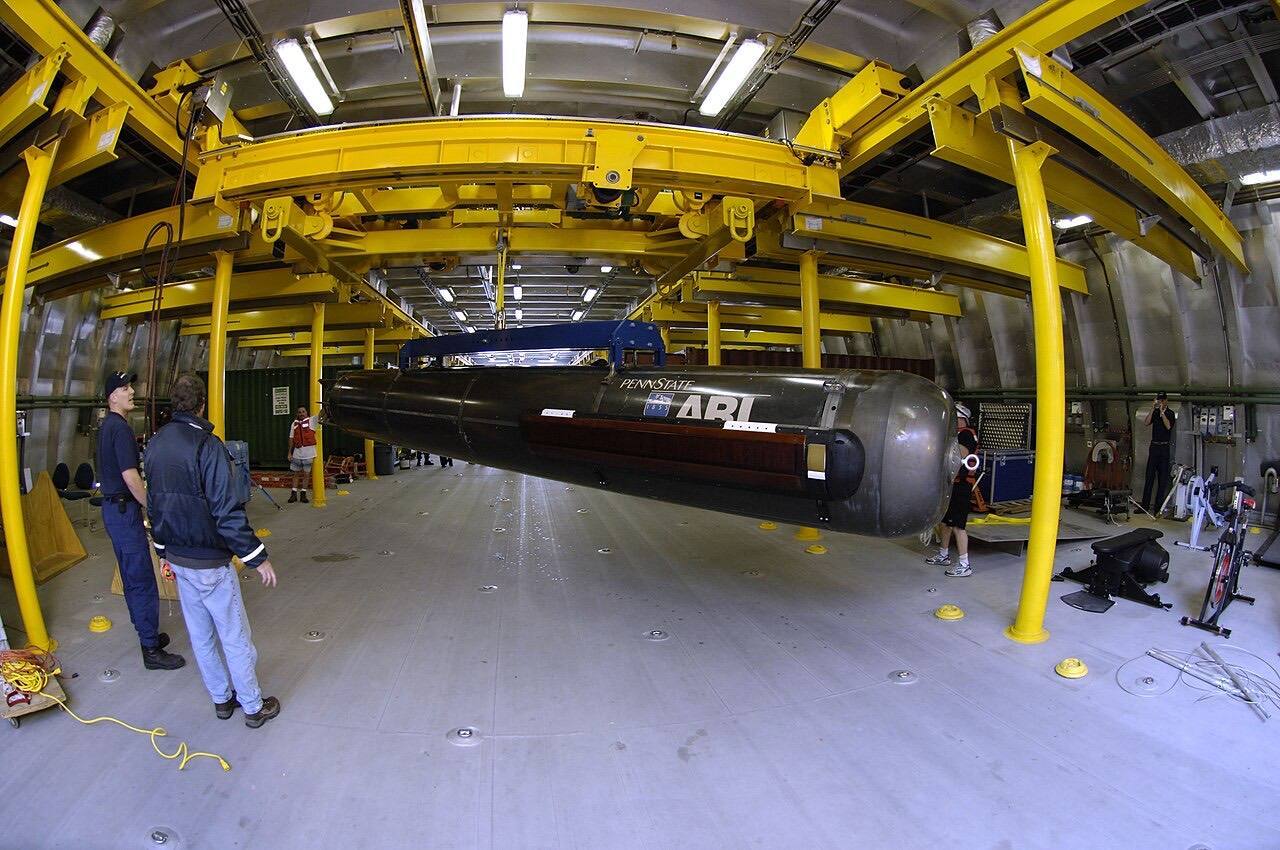
The Mechanics of Ocean Surveying
Ocean surveys play a crucial role in understanding the health of our seas and the impact of human activity on marine ecosystems. These surveys are not merely exercises in data collection but rather complex operations that involve advanced technology and meticulous planning. Researchers use various methods, including sonar mapping, water sampling, and satellite imagery, to gather data about ocean depths, currents, and biological life.
One of the most widely utilized techniques is acoustic surveying, which employs sound waves to map the seafloor. This method allows scientists to identify underwater features that would otherwise remain hidden. The significance of these features cannot be overstated; they are essential to understanding marine habitats and the ecosystems they support. Yet the intricacies of how this technology works often remain overshadowed by sensational stories about ocean pollution and marine biodiversity.
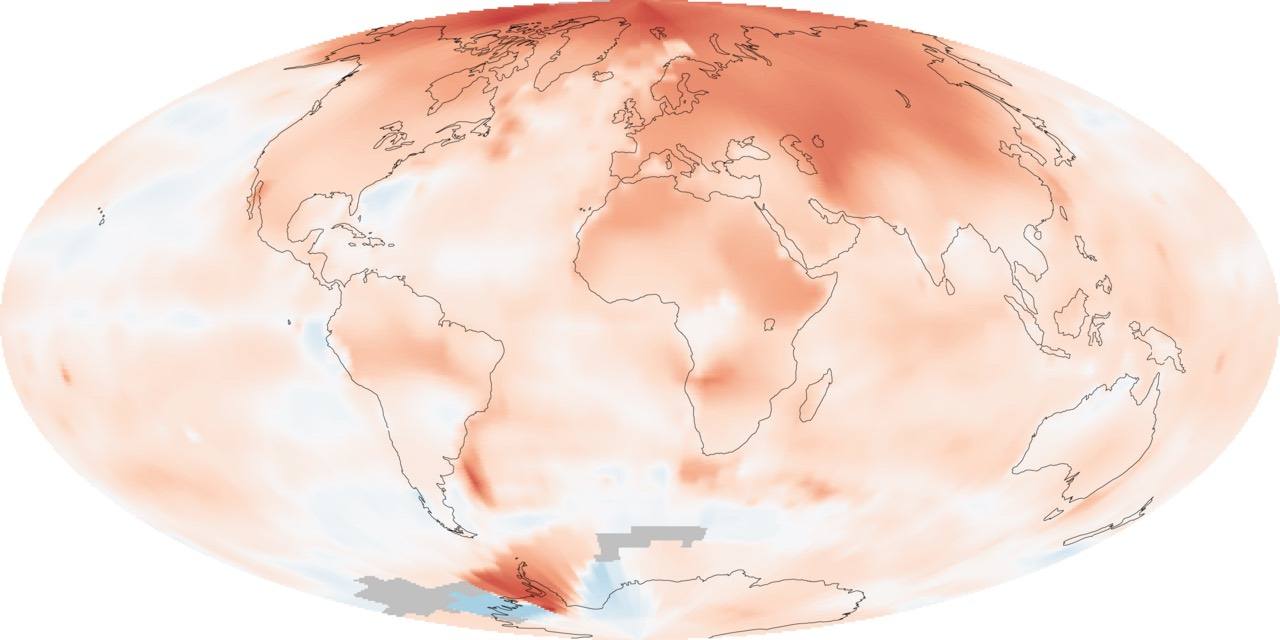
Data Collection and Analysis
Once data is collected, the real work begins. Researchers must analyze vast amounts of information to draw meaningful conclusions. This process can be tedious, requiring a steady hand and a keen eye for detail. It often involves intricate coding and statistical analysis that can take months to complete. In an era of sound bites and quick news cycles, it is easy to overlook the painstaking effort required to ensure accuracy and reliability in ocean science.
Moreover, the results of ocean surveys are not always as dramatic as one might hope. While some may expect grand revelations about the state of our oceans, much of the data reveals gradual changes, trends that can be difficult to communicate effectively. This disconnect raises questions about how scientific findings are presented to the public and whether they are subject to the same sensationalism that affects other areas of journalism.
"The intricacies of ocean surveys are often lost in the noise of environmental discussions."
Political Polarization and Environmental Policy
The ongoing debate about environmental policy has been marked by a troubling polarization. On one side, the left pushes for sweeping regulations to combat climate change, often invoking dire warnings about the future of marine life and ecosystems. On the right, there is a tendency to dismiss these concerns as alarmist, promoting economic growth over environmental protection. This tug-of-war has led to a lack of constructive dialogue, leaving scientists caught in the middle, struggling to communicate their findings without being co-opted by either side.
This political landscape creates an environment where the nuances of ocean surveying can be lost. For instance, while one side may emphasize the urgent need for immediate action, the other may focus on the potential economic drawbacks of such regulations. In doing so, both sides risk oversimplifying complex scientific data, which can lead to misguided policies that do not adequately address the issues at hand.
Public Engagement and Understanding
Another critical aspect of ocean surveys is public engagement. As the data reveals crucial information about our oceans, it is vital for the public to understand its implications. Unfortunately, the average citizen may not have the background to grasp the intricacies of ocean science. This gap in knowledge can result in apathy or misinformed opinions, further complicating the political discourse.
Efforts are being made to bridge this gap through outreach programs and educational initiatives. However, these efforts often struggle for funding and support in an environment that prioritizes more immediate concerns. Thus, the disconnect between scientific research and public understanding continues to be a significant challenge.
Looking Forward
As we move forward, it is essential that we recognize the value of the mechanisms behind ocean surveys. These processes are not only integral to understanding the health of our oceans but are also crucial to informing policy decisions that affect marine ecosystems. The complexity of ocean science should not be overlooked or reduced to political rhetoric; rather, it should be embraced as a foundation for informed dialogue and decision-making.
Conclusion
In the midst of global discussions about climate change and ocean health, the mechanisms of ocean surveys remain a vital yet often overlooked aspect of the conversation. As we continue to grapple with the challenges facing our oceans, it is imperative that we foster a more nuanced understanding of the science behind the headlines. Only then can we hope to navigate the turbulent waters of environmental policy effectively.
✦ ✦ ✦