From the file. Written for the paper dated February 2004. Opened in the public stacks July 14, 2026.
As debates rage over energy policy and national security, one crucial aspect often overlooked is the rigorous inspection process that keeps nuclear plants safe. This week, we delve into the often mundane yet vital inspections that ensure the functionality and safety of these facilities.
The Mechanics of Inspection
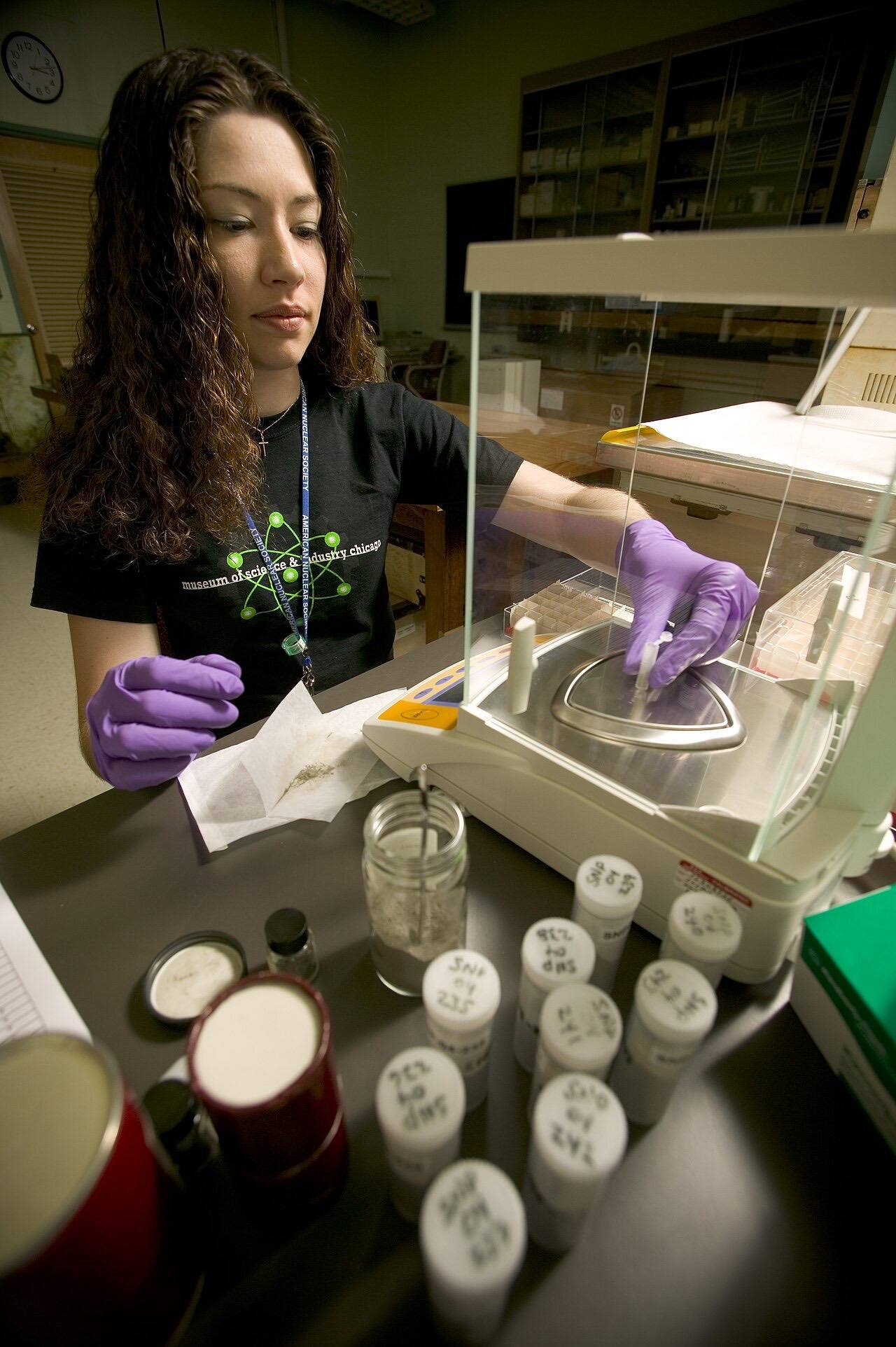
Nuclear plants are beacons of modern energy production, yet their operation hinges on a series of systematic inspections that are anything but glamorous. These inspections are designed to scrutinize every inch of the plant, from the reactor core to the cooling towers, ensuring that safety protocols are meticulously followed. The inspections are a blend of routine checks and specialized assessments that require a great deal of expertise.
Under the oversight of the Nuclear Regulatory Commission (NRC), inspections occur on multiple levels. The NRC's inspectors are tasked with evaluating compliance with federal regulations, while utility companies employ their own teams to conduct internal assessments. This dual-layer of scrutiny serves as a crucial check and balance in an industry that some critics argue is prone to oversight failures.
"Nuclear safety is not just about technology; it’s about trust in the system." - Anonymous NRC Inspector
Routine Inspections: The Backbone of Safety
Routine inspections occur on a regular schedule, often quarterly or bi-annually. These inspections focus on the basic operational aspects of the facility, checking for wear and tear, adherence to safety protocols, and overall performance metrics. Inspectors evaluate the integrity of systems, such as the reactor pressure vessel and containment structures, as well as the functionality of safety systems designed to mitigate emergencies.
During these inspections, inspectors often employ sophisticated testing techniques, such as ultrasonic testing and radiographic inspections, to detect potential issues that might not be visible to the naked eye. These methods help identify cracks or weaknesses in materials that could pose serious risks if left unaddressed.
Specialized Inspections: Addressing Unique Challenges
In addition to routine checks, specialized inspections address specific concerns that may arise due to operational changes or newly identified risks. For instance, if a plant has undergone upgrades or modifications, inspectors will conduct thorough evaluations to ensure that these changes do not compromise safety.
This week, several plants across the country are undergoing specialized inspections as a response to increased public scrutiny and heightened concerns about the potential for terrorism. These inspections are designed to assess the security measures in place and the plants' readiness to respond to various emergency scenarios.
While the NRC has emphasized that the likelihood of an attack on a nuclear facility is low, it has nonetheless mandated that all plants bolster their security protocols. This has led to an increase in inspections focused specifically on the adequacy of safety measures against external threats.
The Role of Technology in Inspections
As technology advances, so too do the methods employed in plant inspections. The integration of robotics and remote sensing technologies is beginning to transform the landscape of nuclear plant evaluations. These technologies allow for more thorough examinations of hard-to-reach areas within the plants while minimizing human risk.
However, the reliance on technology also raises questions. Critics argue that an overdependence on automated systems could lead to complacency among human inspectors, undermining the critical thinking skills necessary for identifying problems that machinery may overlook. Balancing technology with human oversight remains a pressing concern within the industry.
The Political Landscape: A Divided Discourse
The inspection process is not immune to the broader political climate. On one side, proponents of nuclear energy assert that stringent inspections are a testament to the industry's commitment to safety. Yet, some environmental advocates argue that even the best inspections cannot guarantee the absence of risk, particularly in the face of natural disasters or human error.
On the opposite end, some political factions question the efficacy of regulations, viewing them as burdensome and obstructive to energy production. This sentiment is particularly pronounced among those advocating for a more aggressive expansion of nuclear energy as a solution to rising energy demands and climate change concerns. Critics of this approach argue that prioritizing production over safety could lead to catastrophic consequences.
"We must ensure that safety is not sacrificed on the altar of energy production." - Environmental Activist
Conclusion: The Need for Ongoing Vigilance
As we move forward in this complex discourse surrounding nuclear energy, it is imperative that we do not overlook the importance of inspections. They represent the silent, often unacknowledged backbone of safety within the nuclear industry. Whether through routine evaluations or specialized assessments, these inspections are an integral part of a broader commitment to ensuring that nuclear plants operate safely and effectively.
In an era defined by extreme views on both sides of the political spectrum, the call for a balanced approach to nuclear energy and safety inspections remains crucial. We must ensure that public trust is maintained, and that the mechanisms behind the scenes are robust enough to withstand the pressures of an ever-evolving energy landscape.
✦ ✦ ✦