From the file. Written for the paper dated February 2004. Opened in the public stacks July 14, 2026.
In an era where executive orders have become the latest political football, it's easy to lose sight of the fundamental mechanics behind these directives that shape policy and governance.
The Mechanics of Executive Orders
During the past week, the White House issued a series of executive orders, drawing both praise and scorn from various factions of the political spectrum. These orders, while often presented in dramatic fashion, are essentially administrative tools that can be wielded to implement policy changes without the need for congressional approval. This week, however, it seems that both sides of the aisle are treating these mechanisms as something far more sensational than they are.
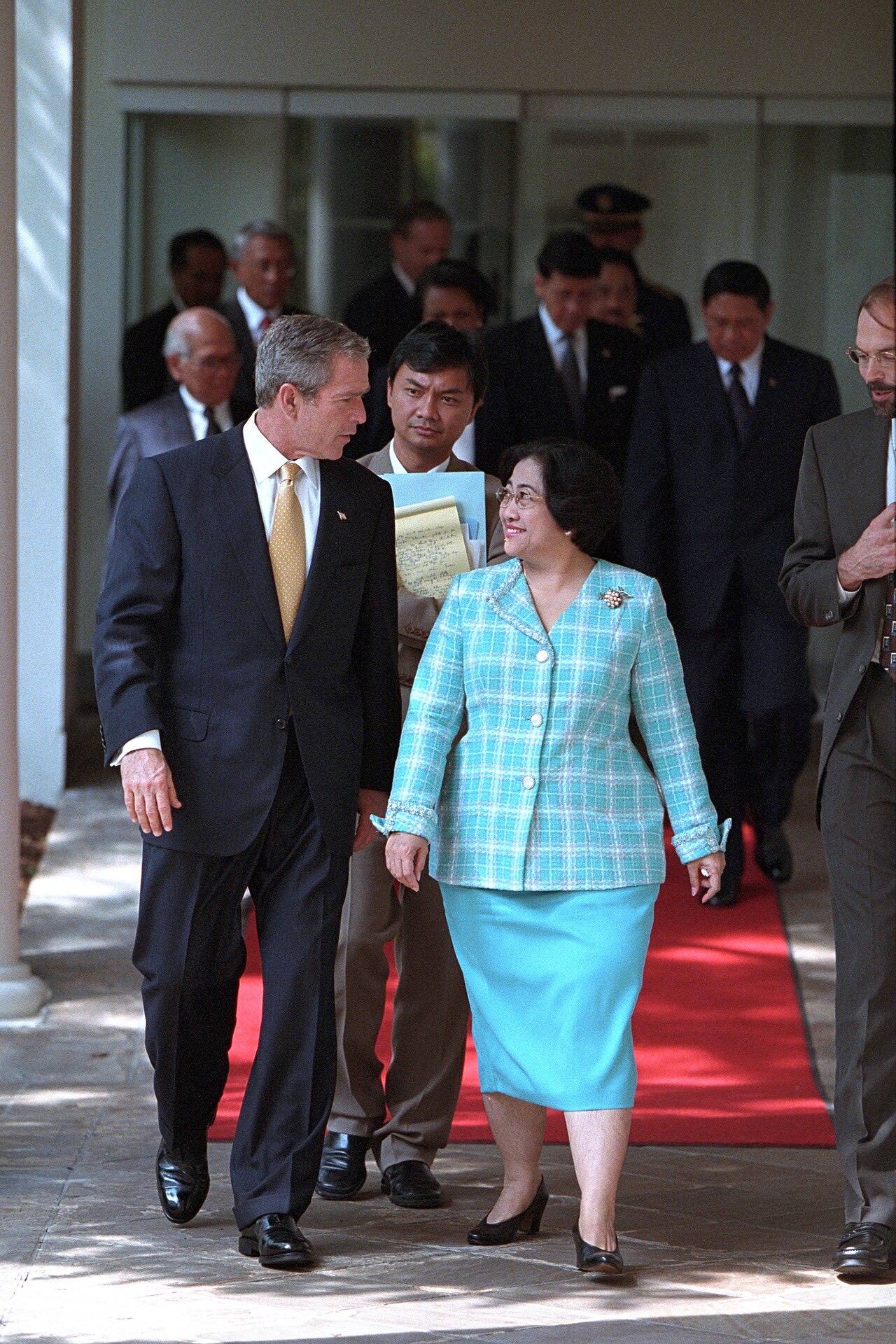
On one hand, the left has been quick to characterize the latest executive orders as a power grab, suggesting that President George W. Bush is overstepping his bounds in a way that undermines the checks and balances fundamental to our democracy. Accusations of dictatorial behavior echo through liberal circles, and political commentators are rallying around the idea that the president is circumventing Congress to push through his agenda. Yet, this portrayal often overlooks the fact that executive orders are a tool long used by presidents from both parties to streamline governance.
On the other hand, the right has taken a different approach, framing these orders as a necessary response to the challenges facing the nation. They argue that the president must act decisively, especially in times of war and national emergency. Unfortunately, this narrative can also lead to an unchecked embrace of executive authority, where the notion of expediency trumps the need for deliberation and due process in policymaking.
“Executive orders are meant to be a tool of administration, yet they have become a point of contention that overshadows their original purpose.”
Understanding Executive Orders
To truly understand the implications of executive orders, we must first recognize what they are. According to the Constitution, the president has the authority to issue directives that manage the operations of the federal government. These orders can cover a wide range of issues, from national security to economic policy, and they can have significant impacts on people's lives.
However, the mechanism itself is often shrouded in mystery for the average citizen. Many are unaware that executive orders do not create laws; rather, they instruct federal agencies on how to implement existing laws or manage their operations. This creates a gray area where the effectiveness and legality of these orders can be challenged, often leading to contentious court battles.
This week, as the administration announced its latest round of executive orders, both sides of the political spectrum seized the opportunity to amplify their narratives. The left, alarmed by the prospect of unchecked presidential power, pointed to the potential for abuse. On the flip side, the right celebrated these actions as bold leadership in a time of crisis, dismissing any concerns about overreach as mere partisan whining.
The Political Battlefield
This situation creates a political battlefield where nuance is often lost. While it is fair to critique the use of executive orders as a means to bypass Congress, it's equally important to recognize that this is not a new phenomenon. Past administrations have similarly wielded this power, and the fervor with which both sides of the aisle currently engage in this debate often seems more about scoring political points than about the actual mechanics of governance.
Moreover, the hyperbole surrounding executive orders can distract from the real issues at hand. Instead of focusing solely on the orders themselves, we should consider the broader implications of governance in a divided political climate. How do we ensure that executive actions are held accountable, and how do we balance the need for decisive action against the requirement for democratic deliberation?
As the debate rages on, we must resist the temptation to view executive orders as only a weapon for political gain. They are a reflection of the complexities within our political system - tools that can either streamline bureaucratic inefficiencies or contribute to an erosion of democratic norms, depending on how they are utilized.
Conclusion: A Call for Thoughtful Discourse
Ultimately, the discourse surrounding executive orders needs to move beyond the extremes of both the left and the right. Rather than framing these orders as either a necessary tool of governance or a dangerous usurpation of power, we should engage in a thoughtful examination of their implications. By focusing on the mechanisms behind the noise, we can foster a more informed and constructive dialogue about the future of executive power in America.
✦ ✦ ✦