From the file. Written for the paper dated January 2004. Opened in the public stacks July 14, 2026.
As the United States grapples with its trade deficit, a closer examination reveals a complex interplay of economic factors that demand a more nuanced discourse rather than simplistic narratives.
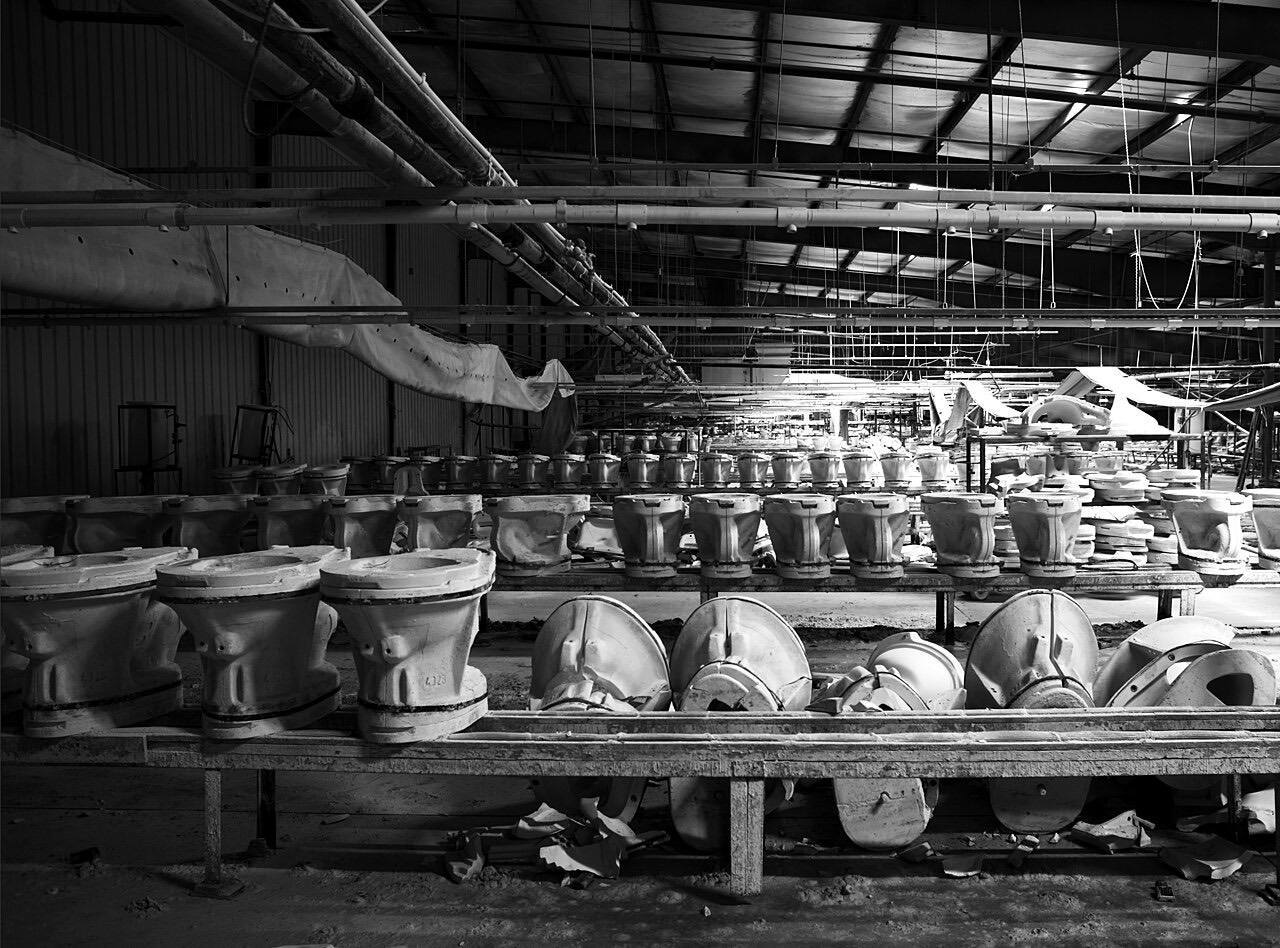
Understanding the Trade Deficit
The trade deficit, defined as the difference between a country's imports and exports, has become a focal point in contemporary economic discussions. Many attribute the United States' burgeoning trade deficit to an assortment of causes, ranging from globalization to currency manipulation. However, the narrative often shifts depending on the political leanings of the commentator, leading to oversimplifications that can obscure the truth.
On one side, the left often emphasizes the notion that unchecked free trade agreements and global market forces are adversely affecting American workers. This perspective is not without merit; manufacturing jobs have indeed been lost as companies seek cheaper labor overseas. Yet, this viewpoint can sometimes veer into alarmism, portraying international trade as an outright threat rather than an opportunity for economic expansion. The oversimplification of the trade deficit as solely a loss of jobs fails to account for the complexities of a global economy, where imports can also fuel growth and innovation.

Conversely, the right tends to frame the trade deficit as a sign of American strength, arguing that a robust economy naturally leads to increased imports. This perspective often downplays the implications of a growing deficit on national security and economic stability. The insistence that trade deficits are inherently benign ignores the reality that excessive borrowing to finance this deficit can lead to vulnerabilities in times of economic downturn.
“The oversimplification of the trade deficit as solely a loss of jobs fails to account for the complexities of a global economy.”
The Components of the Trade Deficit
To truly understand the trade deficit, it is essential to consider its components. For instance, the United States' appetite for consumer goods has driven imports significantly. This consumer behavior is not merely a reflection of job losses but also of changing lifestyles and preferences. The proliferation of technology and foreign goods has transformed the marketplace, providing American consumers with options that were previously unavailable.
Moreover, the trade deficit is often used as a political football, with various factions blaming each other for the economic woes that arise from it. Democrats may criticize Republicans for allowing the deficit to balloon under their watch, while Republicans may counter by highlighting the economic growth that has coincided with increased imports. This back-and-forth often distracts from finding practical solutions to the deficit, such as fostering innovation and investing in workforce development.
Policy Implications
Addressing the trade deficit requires a balanced approach that recognizes both the benefits and challenges of globalization. Policymakers need to resist the temptation to swing toward protectionism, as this can stifle innovation and diminish the competitive edge of American businesses. Conversely, an unbridled embrace of free trade without regard for its consequences can lead to economic instability and job displacement.
One potential avenue for improvement is investing in education and training programs that equip workers with the skills needed for jobs in a changing economy. This proactive approach can mitigate the negative impacts of job loss while enhancing the nation's global competitiveness. Additionally, fostering domestic industries and encouraging exports can help balance out the trade deficit, creating a more sustainable economic environment.
Furthermore, addressing the trade deficit requires international cooperation. Engaging in dialogue with trade partners and holding them accountable for fair practices can help level the playing field for American workers. This is not an issue that can be solved solely through domestic policy; it necessitates a global perspective that recognizes interconnected economies.
Conclusion
As we move further into 2004, the trade deficit will undoubtedly continue to be a topic of heated discussion. It is crucial that both sides of the political spectrum engage in a rational, evidence-based dialogue about the implications of this economic indicator. By moving beyond partisan rhetoric and focusing on actionable solutions, we can work towards a more balanced trade environment that supports American workers while fostering economic growth.
✦ ✦ ✦