From the file. Written for the paper dated January 2004. Opened in the public stacks July 14, 2026.
As the rail freight industry faces a crossroads, a clearer understanding of its complexities is essential for shaping future policies and practices.
The State of Rail Freight
In recent months, the rail freight sector has been under scrutiny, with debates intensifying around safety, efficiency, and environmental sustainability. The arguments presented by various factions often veer toward extremes, complicating the discourse and obscuring what should be a straightforward analysis of the industry's current state.
Left-Wing Perspectives
On the left, advocates for rail freight reform often emphasize the environmental benefits of rail transport over trucking. They argue that increasing the rail share of freight transportation can significantly reduce greenhouse gas emissions and lessen highway congestion. While their goals are commendable, the solutions they propose can sometimes lack pragmatism.
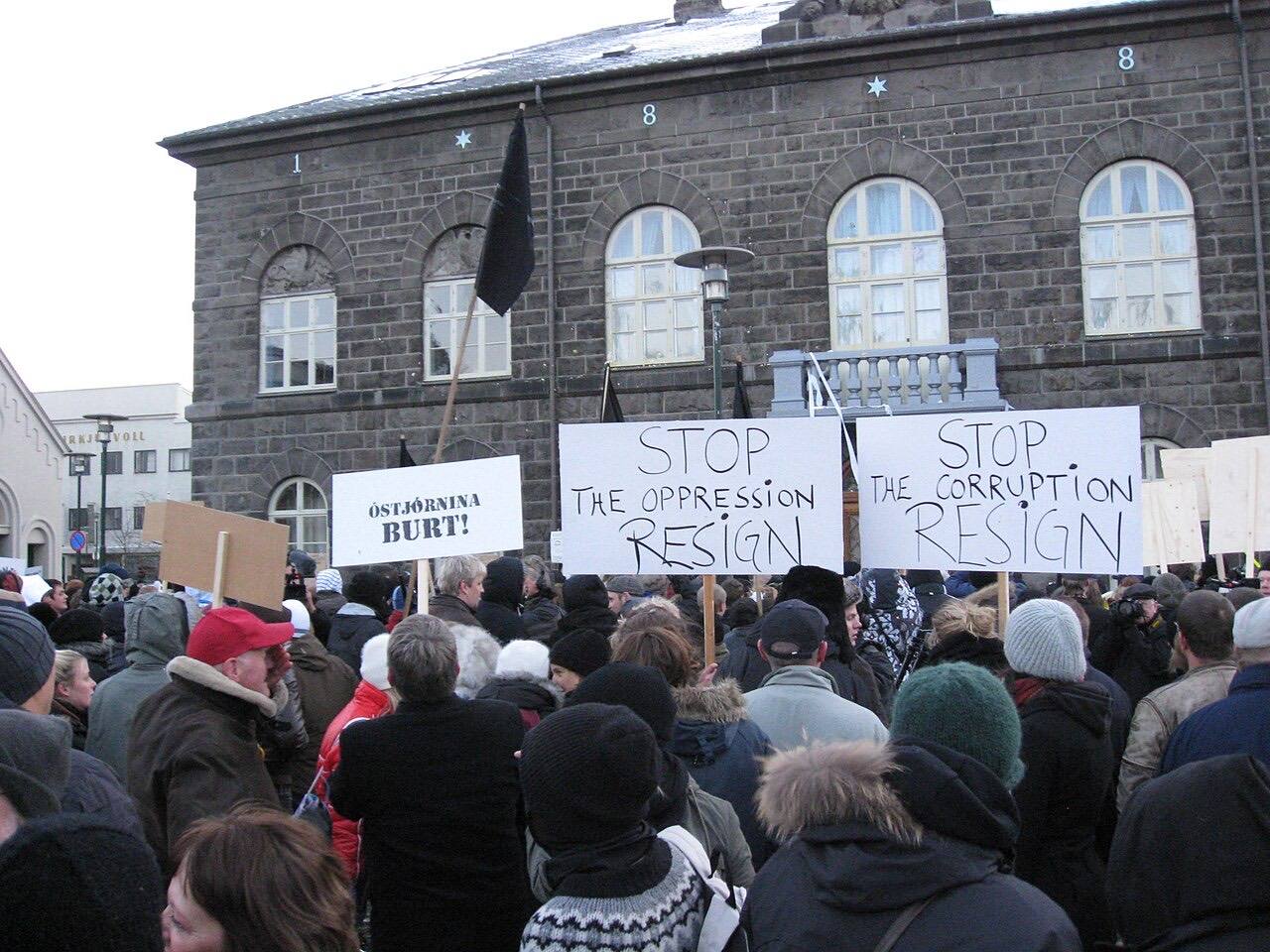
In pushing for stricter regulations and more government intervention, some advocates overlook the complexities of the industry. Railroads are not merely vessels of transportation; they are also complex businesses that require careful management to remain viable. Excessive regulation could stifle innovation and lead to higher freight costs, ultimately harming the very consumers they aim to protect.
"Excessive regulation could stifle innovation and lead to higher freight costs."
Right-Wing Responses
Conversely, those on the right often champion deregulation and privatization as the panacea for the rail freight industry. Proponents argue that less government oversight would lead to increased efficiency and competitiveness. However, this viewpoint frequently ignores the historical context of rail freight. The deregulation of the 1980s led to significant consolidation and, in some cases, a decline in service quality.
The focus on unfettered market forces overlooks the need for a balanced approach that considers safety and service reliability. The railroads' infrastructure is aging, and without adequate investment, the industry's future could be jeopardized. Ignoring these realities in favor of a purely market-driven approach could lead to catastrophic consequences, especially as public safety remains a paramount concern.
Bridging the Divide
To move forward, a more nuanced dialogue is necessary - one that transcends the polarizing narratives put forth by both sides. It is essential to acknowledge the valid points raised by both left and right while recognizing that the industry is not a monolith. The future of rail freight should be shaped by evidence-based policies that prioritize safety, efficiency, and sustainability without succumbing to ideological extremes.
Data on rail performance, environmental impacts, and safety records should guide discussions rather than partisan rhetoric. By grounding our conversations in facts, we can work toward solutions that benefit all stakeholders, from freight operators to consumers and communities alike.
Future Outlook
As we look to the future, the rail freight industry stands at a pivotal moment. The decisions made today will resonate for decades to come. Policymakers, industry leaders, and advocates must come together to forge a path that emphasizes sound practices and forward-thinking strategies.
Prioritizing investment in infrastructure, fostering innovation, and ensuring safety should be the cornerstones of any future policies. This balanced approach can help the rail freight sector adapt to evolving market demands while also addressing the pressing environmental concerns that affect us all.
Ultimately, the rail freight industry has the potential to play a crucial role in a sustainable transportation future. By moving past the excesses of both left and right, we can create a framework that supports growth, safety, and environmental responsibility.
✦ ✦ ✦