From the file. Written for the paper dated January 2004. Opened in the public stacks July 14, 2026.
As the political battleground heats up in January 2004, the ongoing debate over the filibuster has become a flashpoint, revealing not just the strategic maneuverings of both parties but also their deeper ideological divides. The stakes are high as both parties jockey for power and influence in an election year.
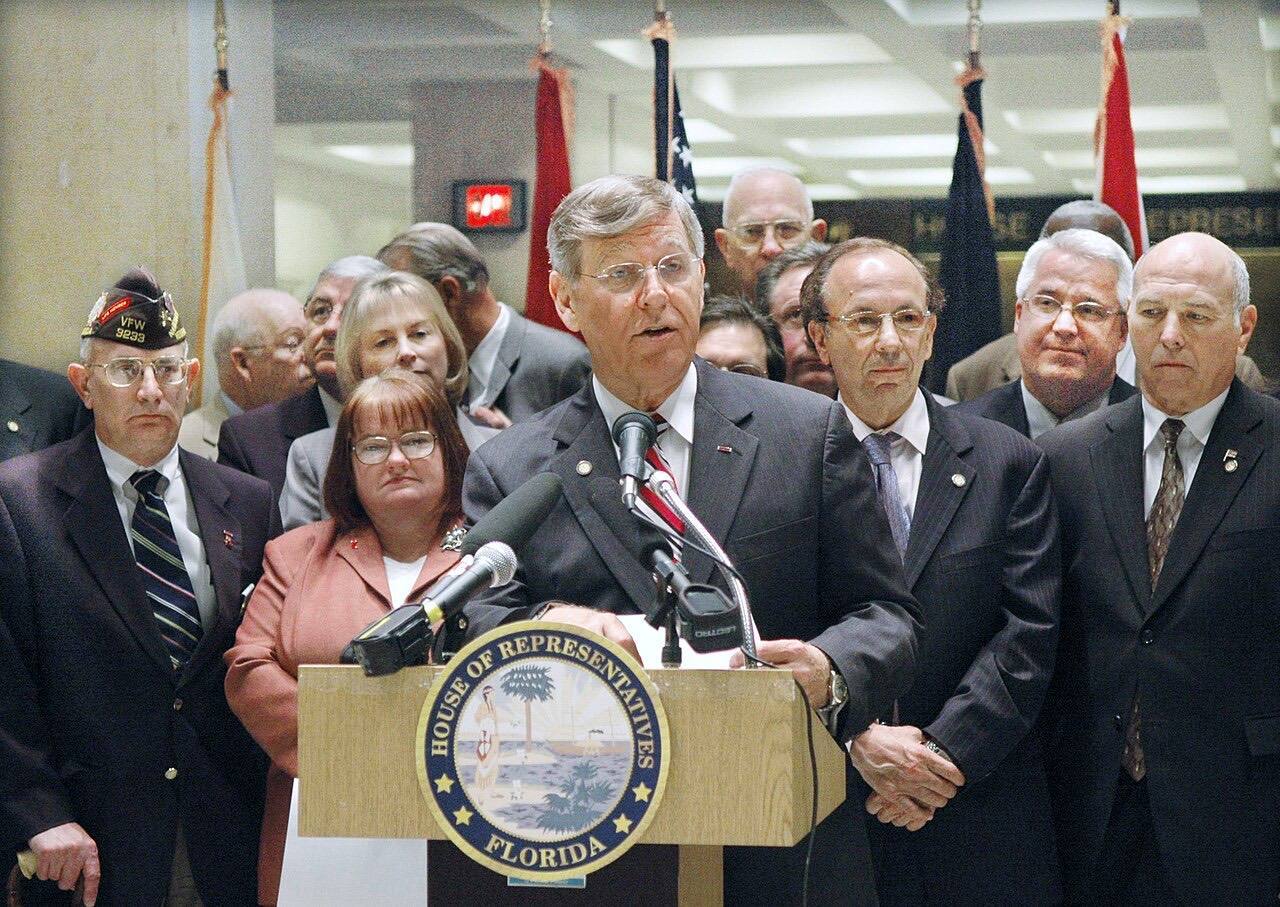
The Heart of the Filibuster Debate
The filibuster, a procedural tactic used in the Senate to extend debate and delay or prevent a vote on a bill, has been a subject of fierce contention. On one side, Democrats argue it is a crucial tool for protecting minority rights and ensuring thorough deliberation on legislation. On the other, Republicans are increasingly frustrated with its use, claiming it obstructs progress and accountability.
In recent months, the Democratic minority has utilized the filibuster more frequently to block judicial nominations and significant legislative proposals from President Bush's administration. This has led to calls from the GOP to reconsider the rules governing filibusters, with some party leaders advocating for a “nuclear option” to eliminate the filibuster for judicial appointments altogether. It raises the question: Is the filibuster an essential safeguard of democracy or an archaic tool that hinders governance?

"The filibuster is a vital part of our democracy, ensuring that all voices are heard, even those of the minority." - A Democratic Senator
Identity Politics vs. Evidence-Based Governance
As the debate rages, it is essential to note how identity politics on both sides are influencing perspectives. For many Democrats, the filibuster represents a defense against what they perceive as a Republican agenda that threatens civil rights and social progress. Conversely, Republicans frame their opposition to the filibuster as a matter of effective governance and accountability to the electorate.
This ideological division showcases a troubling trend: the prioritization of identity over evidence. Democrats often cite the filibuster's role in protecting minority interests, yet they risk overlooking the necessity for decisive governance in a time of war and economic uncertainty. Meanwhile, Republicans, in their push to eliminate the filibuster, must acknowledge the potential risks of silencing dissenting voices, which could lead to a slippery slope of majoritarian rule.
Consequences of the Filibuster Showdown
The potential consequences of changing the filibuster rules are profound. If the GOP proceeds with their plan to abolish the filibuster for judicial nominations, it could lead to a significant shift in the balance of power within the judiciary. This shift may have long-term implications for critical issues such as reproductive rights, civil liberties, and corporate regulation.
On the flip side, if Democrats continue to utilize the filibuster as their primary means of resistance, they may find themselves cornered. The electorate, weary of gridlock, could hold them accountable for failing to produce results. This is particularly pressing as the nation approaches the 2004 presidential election, where public sentiment will undoubtedly weigh heavily on both parties.
It is worth noting that both parties risk alienating moderate voters by adhering too rigidly to their respective ideologies. Extreme partisanship may lead to disillusionment among those who seek a more collaborative approach to governance. The question remains: will either party be able to find common ground in time to address the pressing issues facing the nation?
A Call for Pragmatism
As we navigate the complexities of the filibuster fight, it is imperative that both parties recognize the value in pragmatism. A compromise that allows for meaningful debate while ensuring the efficient functioning of government is necessary. Perhaps a gradual reform of the filibuster could be a solution, one that maintains its protective qualities while also addressing the concerns for expediency and accountability.
Ultimately, this debate is about more than just a legislative procedure; it is about the very nature of our democracy. As both sides dig in, the American people deserve a government that works effectively for them, one that is not bogged down by excessive partisanship or procedural wrangling. It is time for a clearer reading of the filibuster fight - one that prioritizes evidence and the common good over partisan identity.
✦ ✦ ✦