From the file. Written for the paper dated October 2003. Opened in the public stacks July 14, 2026.
As America grapples with an increasingly aging population, policymakers from both the left and the right are devising strategies to address the challenges that lie ahead. However, the approach taken by each side reveals significant ideological divides that could hinder effective solutions.

The Aging Population Challenge
The United States is experiencing a demographic shift, with a growing number of citizens over the age of 65. By 2030, it's estimated that one in five Americans will be in this age bracket, raising urgent questions about health care, Social Security, and the overall economic impact of this trend. Both political parties recognize the need to respond, yet their proposed incentives reflect their distinct philosophies.
Left-Wing Proposals: A Safety Net for Seniors
Democrats typically emphasize expanded government programs aimed at protecting the most vulnerable among us. Their proposals for addressing the needs of an aging population often center around strengthening Social Security and Medicare, increasing funding for health care services for seniors, and ensuring access to long-term care facilities. These initiatives are seen as essential to safeguarding the well-being of older Americans who may face financial hardships.
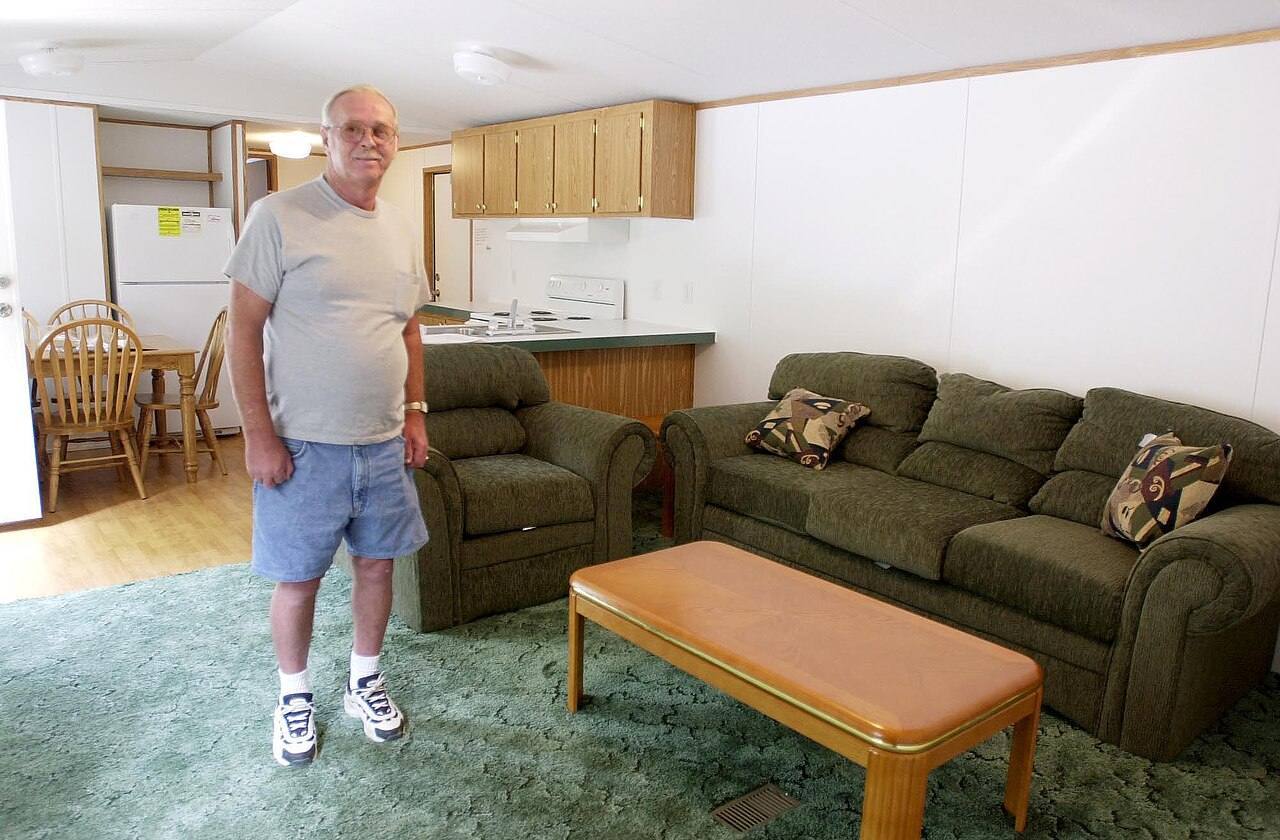
“We must ensure that our elderly are not left behind in this rapidly changing society.”
However, these left-leaning strategies are not without their flaws. Critics argue that a heavy reliance on government programs can lead to inefficiencies, bureaucratic red tape, and ultimately, increased taxes. Additionally, there is a growing concern about the sustainability of these programs in the face of a ballooning national debt. As much as the intention is to create a robust support system for aging citizens, the question remains on how to finance such expansive plans without burdening future generations.
Right-Wing Solutions: Market-Based Approaches
On the other side of the aisle, Republicans often advocate for market-driven solutions. They argue that empowering individuals to take charge of their health care decisions through health savings accounts (HSAs) and private insurance options can lead to more efficient and personalized care for seniors. By allowing older Americans to have more control over their health choices, they believe that competition in the market can result in better services and lower costs.
“The free market is the best way to ensure quality care and innovation for our seniors.”
However, this approach also has its pitfalls. Critics point out that not all seniors have the financial means or health literacy to navigate the complexities of private health insurance plans. This can lead to disparities in access to care, with low-income seniors potentially falling through the cracks. Additionally, the heavy focus on privatization raises concerns about the potential for profit-driven motives to overshadow the care needs of vulnerable populations.
The Middle Ground: Finding Common Solutions
While both sides present valid points, the current political climate often leads to entrenched positions that stifle productive discourse. The challenge lies in finding a middle ground where the best ideas from both perspectives can be combined to create effective policies for our aging population.
For instance, blending the Democrats' focus on a safety net with the Republicans' emphasis on market solutions could yield results. Policies that encourage private investment in health care while simultaneously reinforcing public programs could provide a balanced approach that ensures both accessibility and quality. Incentives for preventive care and wellness programs could also be promoted, which would benefit all age groups but particularly seniors who are at a higher risk for chronic illnesses.
The Need for Bipartisan Cooperation
The urgency of the aging population issue necessitates a cooperative effort between both parties. As we move forward, it is imperative that lawmakers set aside partisan politics to focus on the welfare of our seniors. The future of millions of Americans depends on crafting policies that are comprehensive, sustainable, and equitable.
In the end, the responsibility falls on our elected officials to rise above political divides and work collaboratively towards solutions that benefit all citizens. By fostering an environment of cooperation and innovation, we can ensure that our aging population is treated with the dignity and care they deserve.
✦ ✦ ✦