From the file. Written for the paper dated September 2003. Opened in the public stacks July 14, 2026.
As the United States prepares for its next monumental space launch, it is essential to look beyond the headlines and team jerseys often worn by politicians and officials. The reality of space exploration is far more intricate than the promotional imagery suggests.
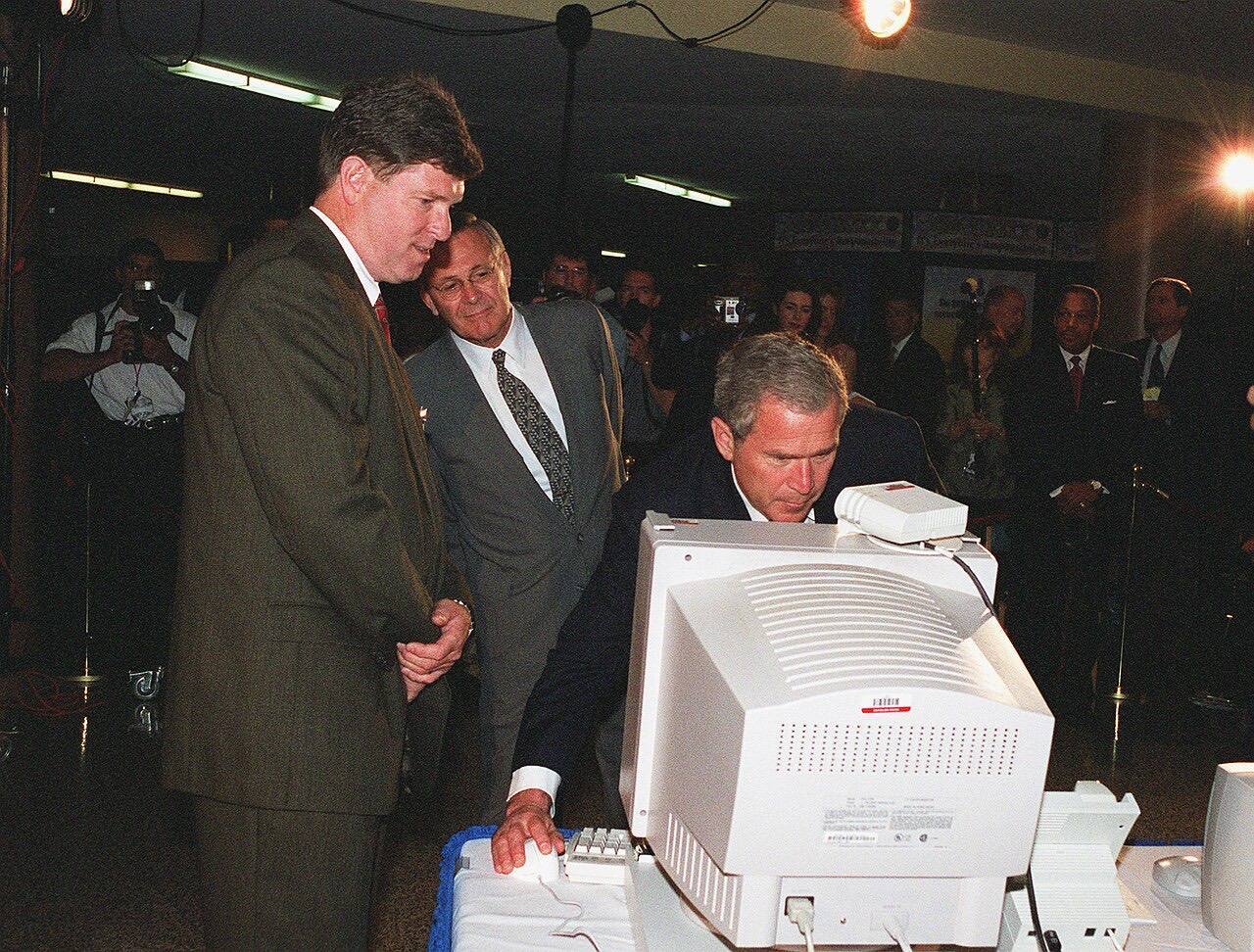
Behind the Scenes: What the Public Doesn't See
The excitement surrounding space launches often engenders a sense of unity and national pride. Yet, as the countdown begins, the media focuses on the spectacle, leaving out crucial details that reflect the complexities and challenges of these missions. From technical malfunctions to budgetary constraints, the public is rarely privy to the full story.
"The reality of space exploration is far more intricate than the promotional imagery suggests."
For instance, consider the recent shuttle missions. While the launch is celebrated, the extensive planning and exhaustive testing that precede it often go unnoticed. Engineers and scientists work tirelessly to troubleshoot potential issues, and yet, their efforts are typically overshadowed by the fanfare surrounding the event. This lack of transparency can foster a disconnect between what is portrayed to the public and what is actually occurring behind closed doors.

Funding Woes: A Growing Concern
Another critical aspect often glossed over in launch briefings is the financial strain associated with space missions. The National Aeronautics and Space Administration (NASA) has faced mounting pressure to innovate while managing limited budgets. This juxtaposition creates a precarious environment where the gap between ambition and reality widens.
In recent discussions, critics from both sides of the political spectrum have emerged. On one hand, some left-leaning voices argue that the government should prioritize education and healthcare over space exploration. They contend that funding for NASA diverts essential resources from pressing domestic issues. Conversely, right-leaning advocates champion the space program as a symbol of American exceptionalism, advocating for increased funding regardless of other societal needs.
Political Rhetoric: The Left vs. The Right
The discourse surrounding space exploration has become increasingly polarized. Politicians often capitalize on the excitement of a launch to bolster their standing, yet they frequently neglect the nuanced discussions that are critical for the future of the program. For instance, while the left emphasizes the need for social programs, they may overlook the educational benefits and technological advancements that can arise from a robust space program.
On the flip side, the right often champions space exploration as a pathway to demonstrate American superiority. However, this approach can lead to an overemphasis on military applications of space technology, potentially ignoring the broader implications of international cooperation in space. This partisan divide ultimately detracts from the collaborative spirit necessary for successful space exploration.
The Human Element: Engineers and Astronauts
Amidst the political posturing and budgetary debates, it is easy to forget the human element that drives space exploration. The engineers, scientists, and astronauts are not just cogs in a machine; they are individuals with dreams, aspirations, and families. Their relentless dedication to the mission often goes uncelebrated in the media frenzy surrounding launches.
Take for example the astronauts preparing for their missions, who undergo extensive training and preparation. Their sacrifices for the greater good of humanity often go unnoticed, overshadowed by the spectacle of a launch. It is vital to recognize that while technological advancements are paramount, it is the human spirit that truly propels us into the cosmos.
Finding Common Ground
While political discourse may be rife with division, it is crucial for both sides to find common ground when discussing space exploration. Acknowledging the merits of both perspectives can lead to a more fruitful dialogue about the future of NASA and our place in the universe. An emphasis on collaboration, both domestically and internationally, is essential for advancing our understanding of space.
In conclusion, while the excitement of space launches captures the public's imagination, it is imperative to delve deeper into the complexities that lie beneath the surface. Acknowledging the challenges of funding, the human element involved, and the need for bipartisan support will help foster a more comprehensive understanding of what it means to explore the final frontier.
✦ ✦ ✦