From the file. Written for the paper dated September 2003. Opened in the public stacks July 14, 2026.
In the ongoing debate about healthcare in America, public clinics often find themselves overlooked, overshadowed by the grand narratives that dominate the political landscape. While the left and right engage in their ideological battles, the realities of public clinics reveal a more nuanced picture that deserves attention.

Public Clinics: The Unsung Heroes
Public clinics are essential to the fabric of health care in communities across the nation. They serve as a lifeline for those who lack access to private health insurance, providing necessary services to low-income families, the uninsured, and even the underinsured. However, in the current polarized climate, these clinics are often left out of the conversations that shape health policy, as both sides focus on their own agendas.
On one side, the left champions universal healthcare but often overlooks the existing frameworks that public clinics provide. The rhetoric may be compelling, but it frequently fails to acknowledge the tangible resources that clinics offer daily. Instead of pushing for an overhaul of the system, a more balanced approach would recognize and strengthen these existing institutions.
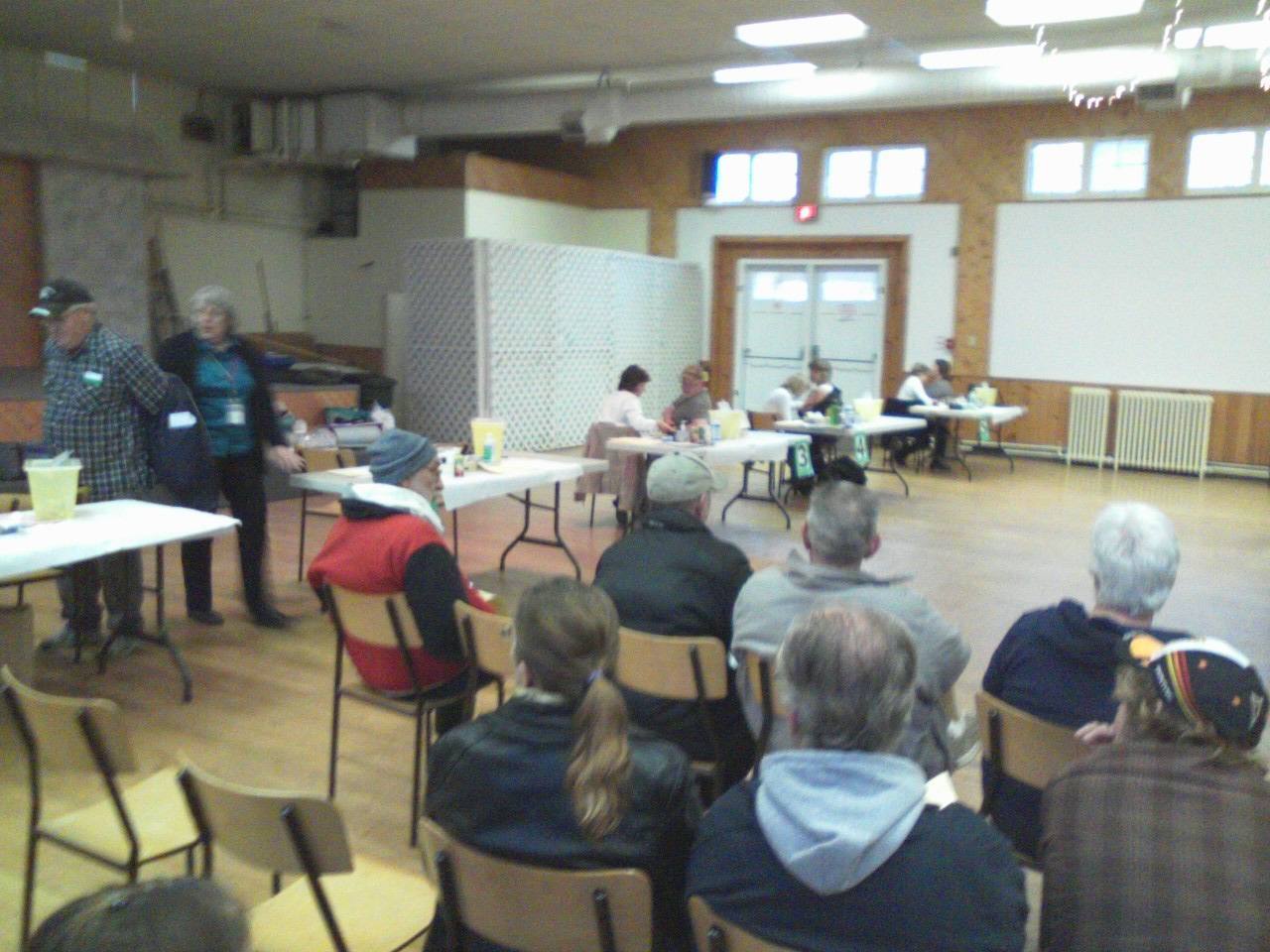
Conversely, the right tends to prioritize privatization and deregulation, arguing that competition will enhance quality and reduce costs. However, this perspective often neglects the vulnerable populations that public clinics serve. The idea that market forces alone can solve the complexities of health care ignores the reality that many individuals simply cannot afford to compete in a privatized system.
“Public clinics are not just a backup plan; they are a fundamental part of our healthcare landscape.”
The Reality of Public Clinics
Public clinics face significant challenges. Funding is often inconsistent, dependent on both federal and state budgets that are frequently in flux. In many cases, these facilities struggle with staffing shortages, inadequate resources, and the pressure of rising patient numbers. As the economy fluctuates, the demand for services increases, placing even more strain on these vital resources.
Moreover, the stigma associated with seeking care at public clinics can deter individuals from utilizing their services. Many view these facilities as a last resort, rather than an important option for receiving quality healthcare. This perception can lead to delayed treatments and worsening health outcomes, further complicating the issue.
The Political Rhetoric
In the political arena, the debate over healthcare often becomes a battle cry, with each side using hyperbolic language that simplifies complex issues. For instance, some on the left emphasize the dire need for universal healthcare, while the right vehemently opposes government involvement. This polarization distracts from the practical solutions that public clinics could provide if given the support they need.
While the left may tout the benefits of universal coverage, they must also recognize the importance of bolstering existing services like public clinics. Meanwhile, the right could benefit from understanding that a purely market-driven approach may not sufficiently address the needs of the most vulnerable populations. Both sides must come together to find common ground, focusing not only on their political ideologies but also on the real-world implications of their policies.
The Way Forward
To move forward, a bipartisan approach that supports public clinics must be prioritized. This would involve ensuring consistent funding, increasing awareness of services provided, and addressing the stigma associated with seeking care at these facilities. By elevating the conversation around public clinics, we can work towards a healthcare system that is truly inclusive and effective.
Ultimately, the conversation regarding healthcare in America should not be an either-or proposition. By recognizing the value of public clinics, we can create a more equitable system that acknowledges the diverse needs of our population. It is time for both the left and the right to put aside their differences and work together for a better health future.
✦ ✦ ✦