From the file. Written for the paper dated August 2003. Opened in the public stacks July 14, 2026.
As the dust settles from the recent State of the Union address, the political theater surrounding it reveals more than just the rhetoric. The numbers presented - whether they pertain to job growth, healthcare, or national security - invite scrutiny and provoke debate. Both sides of the aisle are quick to champion their narratives, but what do the statistics actually indicate?

Understanding the Numbers
The State of the Union is not merely an occasion for the president to deliver a speech; it is a carefully orchestrated event that shapes public perception. Following the address, analysts and pundits rushed to dissect the figures, but often with a clear bias. The left painted a picture of an economy struggling to recover from the aftermath of 9/11, while the right insisted that progress was being made.
For instance, job creation numbers have become a battleground. The administration touts increases in employment as evidence of economic recovery, yet many workers remain skeptical. The reality is that too many jobs created are in low-wage sectors, failing to provide the kind of sustainable income that families need to thrive. This dichotomy raises the question: Are we truly witnessing a recovery, or just a shift in the type of employment available?
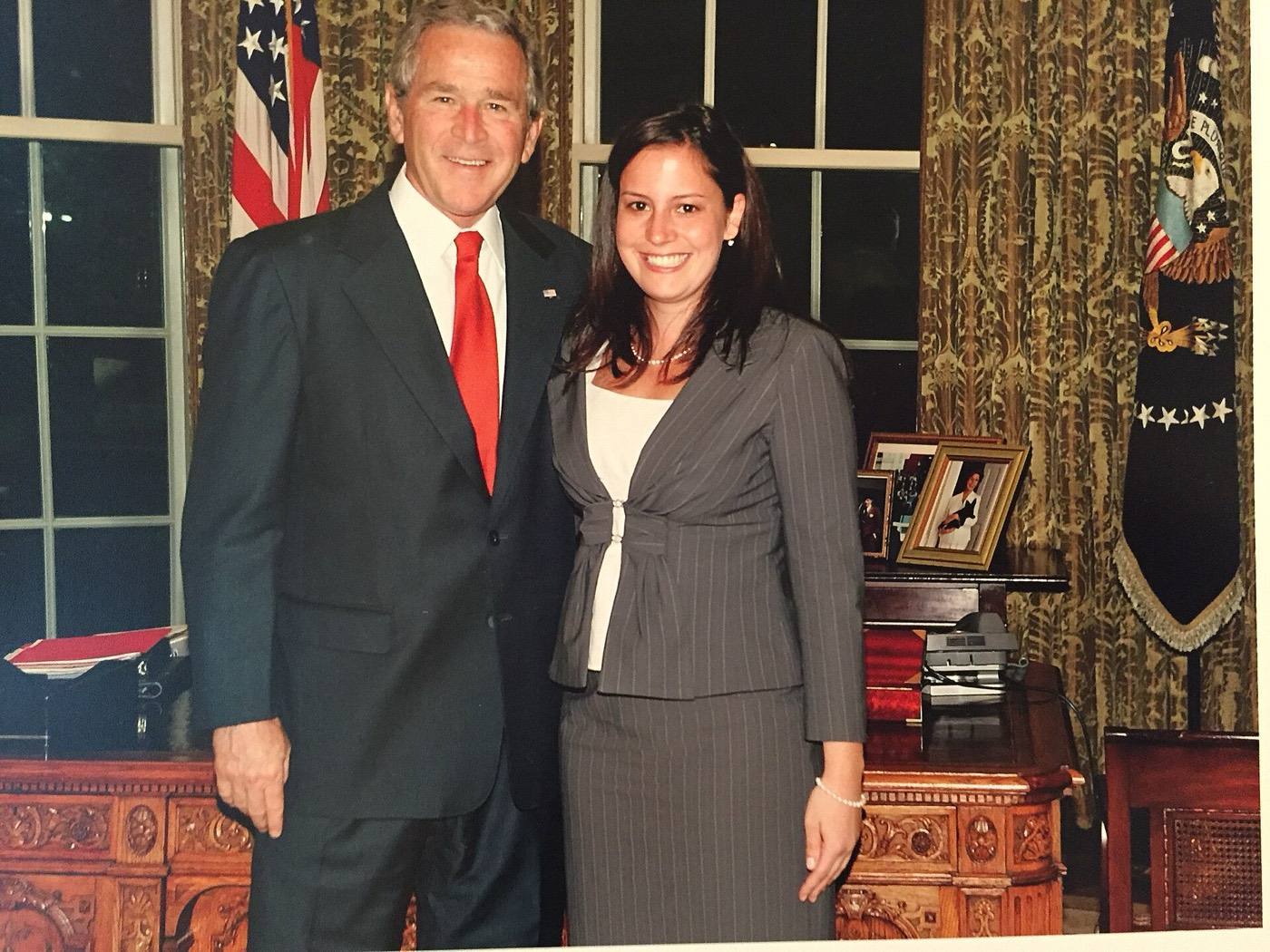
“The numbers may be up, but so is the cost of living.”
The Healthcare Debate
Healthcare continues to be a hot-button issue, especially as the administration pushes for reforms. On one side, proponents argue that access to affordable healthcare is improving; on the other, critics highlight the rising costs and declining coverage options. The numbers frequently cited in favor of reform often neglect to mention that many individuals still face exorbitant premiums, making quality care out of reach.
Moreover, the ongoing battle over prescription drug prices emphasizes a broader concern about corporate influence in healthcare. The pharmaceutical industry has significant lobbying power, which complicates any attempts at genuine reform. As patients struggle to afford their medications, the conversation about healthcare becomes a tangled web of statistics and stories that reveal a deeper crisis.
National Security and Spending
In the realm of national security, the aftermath of the State of the Union has led to discussions about military spending. The administration argues that increased funding is necessary to protect American interests abroad, yet critics point out that such expenditures often come at the expense of domestic programs. The question remains: How do we balance the need for security with the necessity of investing in our citizens?
As we analyze the budget allocations, it becomes clear that both sides are guilty of selective interpretation. While the right may emphasize the importance of a strong military presence, the left often underscores the need for social services to maintain a stable society. The numbers concerning defense spending may appear justified in the context of global threats, but they must also be weighed against the needs of the American populace.
Partisan Responses
The responses from both parties exemplify the excesses that have come to define our political discourse. On the left, there is a tendency to downplay any positive news regarding the economy, focusing instead on the negatives to rally support for progressive policies. Conversely, the right often exaggerates achievements, glossing over the challenges that many Americans face daily.
This back-and-forth is not merely a political strategy; it represents a broader failure to engage in constructive dialogue. As each side digs in, the public becomes increasingly disillusioned. The complexities of policy and the nuances of economic data are lost in a cacophony of sound bites and partisan rhetoric.
Moving Forward
As we move further into 2003, the path ahead remains fraught with challenges. The aftermath of the State of the Union address should serve as a reminder that numbers alone do not tell the full story. It is essential to engage critically with the data and to hold our leaders accountable for the policies they endorse.
In an era marked by division, it is vital to seek common ground and to recognize that both sides have their excesses. By focusing on collaborative solutions rather than partisan victories, we can work towards a more equitable society that meets the needs of all Americans. The statistics may tell one tale, but the lived experiences of citizens reveal a much richer narrative.
✦ ✦ ✦