From the file. Written for the paper dated July 2003. Opened in the public stacks July 14, 2026.
In an era marked by increasing public scrutiny of government actions and corporate influence, the debate over lobbying disclosure has reached a fever pitch. The stark divide between the left and right has only exacerbated the complexities surrounding this issue, revealing that certainty, even amidst controversy, is a commodity that is selling briskly.

Understanding the Lobbying Landscape
Lobbying is often painted as a necessary evil in the American political system. On one hand, advocates argue that it provides a crucial channel for citizens and organizations to voice their concerns and influence legislation. On the other hand, detractors claim that it fosters corruption and undermines democracy by allowing wealthy interests to manipulate the political process. As the public's trust in government wanes, so too does the appetite for transparency in lobbying practices.
The current legislative framework governing lobbying activities is riddled with loopholes and ambiguities. The Lobbying Disclosure Act of 1995 was designed to increase transparency, requiring lobbyists to register and disclose their activities. However, the law has not kept pace with the evolving nature of lobbying, particularly as it pertains to the Internet and other modern communication methods. This gap has led to calls for more robust regulations, with proponents from both sides of the aisle demanding accountability.
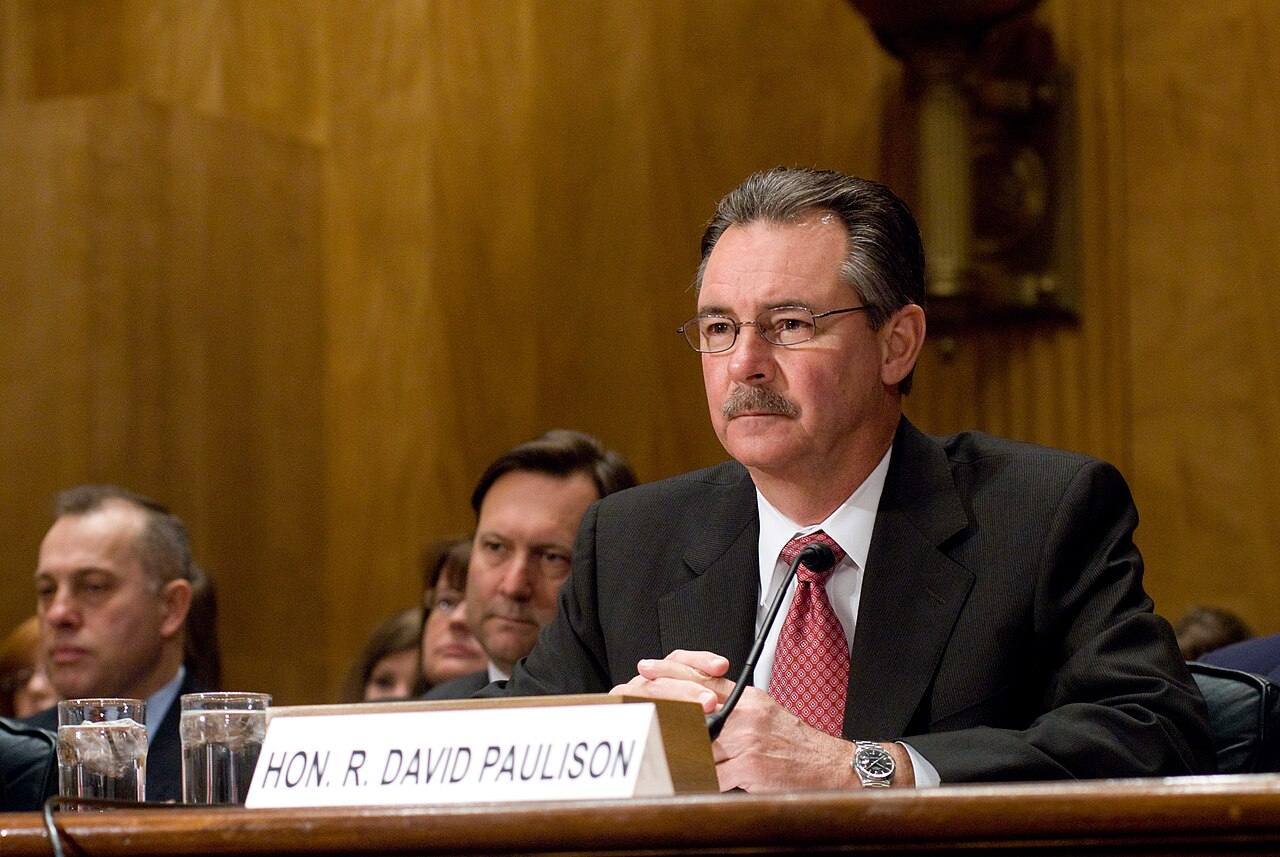
"In a world where certainty is scarce, the demand for transparency in lobbying is more urgent than ever."
The Left's Tug-of-War for Transparency
Progressives have taken the lead in advocating for stricter lobbying regulations, arguing that the current system disproportionately favors corporate interests at the expense of the average citizen. They contend that without comprehensive disclosure, the voices of ordinary Americans are drowned out by the clamor of well-funded lobbyists. The left's focus on social justice issues, healthcare reform, and environmental policy has only intensified their calls for transparency. Yet, there is a palpable risk that their push for regulation can devolve into an overreach, stifling legitimate advocacy efforts and labeling all lobbying as sinister.
While the intent behind progressive reform is noble, the execution can sometimes miss the mark. For instance, proposals for expanded disclosure requirements can inadvertently create a bureaucratic nightmare that complicates rather than clarifies the lobbying landscape. In their zeal for transparency, some left-leaning activists have overlooked the nuanced realities of advocacy, which can lead to unintended consequences that may undermine their own goals.
The Right's Reluctance and Reaction
Conversely, many conservative lawmakers have been hesitant to embrace calls for increased lobbying transparency. They argue that such measures can infringe upon First Amendment rights, framing the issue as a matter of free speech. This argument resonates with their base, who often view regulation as an overreach of government authority. However, the reluctance to act on lobbying reform can come off as an endorsement of the status quo, potentially alienating constituents who are frustrated by the influence of money in politics.
The right's approach to lobbying disclosure often hinges on the belief that the market will self-correct. They argue that transparency should be achieved through voluntary measures rather than mandatory regulations. However, this laissez-faire attitude can fall flat in the face of mounting public distrust. In a political climate where voters are increasingly skeptical of elected officials, the absence of robust lobbying regulations can exacerbate feelings of disenfranchisement.
The Middle Ground: Bridging the Divide
In the midst of these stark contrasts, there is a growing recognition that a middle ground may exist. Some lawmakers from both parties are beginning to advocate for bipartisan solutions that prioritize transparency without infringing on free speech rights. The idea is to create a framework that allows for accountability while still permitting individuals and organizations to engage in the political process. Such an approach could serve to rebuild trust between the electorate and their representatives, as well as foster a healthier democratic environment.
However, achieving this middle ground will require a concerted effort from both sides to set aside ideological differences and work collaboratively. As the rhetoric surrounding lobbying continues to escalate, it is essential that both progressives and conservatives recognize the potential dangers of excess. An overzealous approach to regulation can be just as damaging as a lack of oversight, leading to policy outcomes that do not serve the public interest.
Conclusion: The Demand for Certainty
As the debate over lobbying disclosure continues, it is clear that the demand for certainty is driving the conversation. Citizens want to know who is influencing their elected officials and how their interests are being represented. The time has come for both sides to acknowledge the necessity of transparency in lobbying, while also ensuring that the integrity of the advocacy process remains intact. In this climate of uncertainty, the push for clarity in lobbying practices is not only desired, but essential for a functioning democracy.
✦ ✦ ✦