From the file. Written for the paper dated June 2003. Opened in the public stacks July 14, 2026.
In an era where influence peddling has become a staple of American politics, the collective amnesia regarding lobbying practices among both major parties is striking. As Congress considers new lobbying disclosure legislation, it is crucial to examine how both sides of the aisle conveniently forget their past complicity in the very system they now seek to reform.

Unraveling the Threads of Influence
As the U.S. faces a growing clamor for transparency in lobbying practices, it appears that both Democrats and Republicans have developed a selective memory when it comes to their own roles in the machine of influence. The current lobbying disclosure framework, established in the wake of numerous scandals, has proven inadequate in fostering genuine transparency. Yet, as legislators grapple with the issue, they seem to overlook their own histories in the realm of lobbying.
For Democrats, the narrative often paints a picture of a party fighting for the common man, yet this ideal frequently clashes with their substantial financial ties to powerful special interest groups. The left has embraced a plethora of lobbying firms that represent an array of corporate interests, from energy companies to labor unions, all while championing the need for reform. It raises the question: how can one advocate for transparency when they are wrapped in the very fabric of the system they criticize?
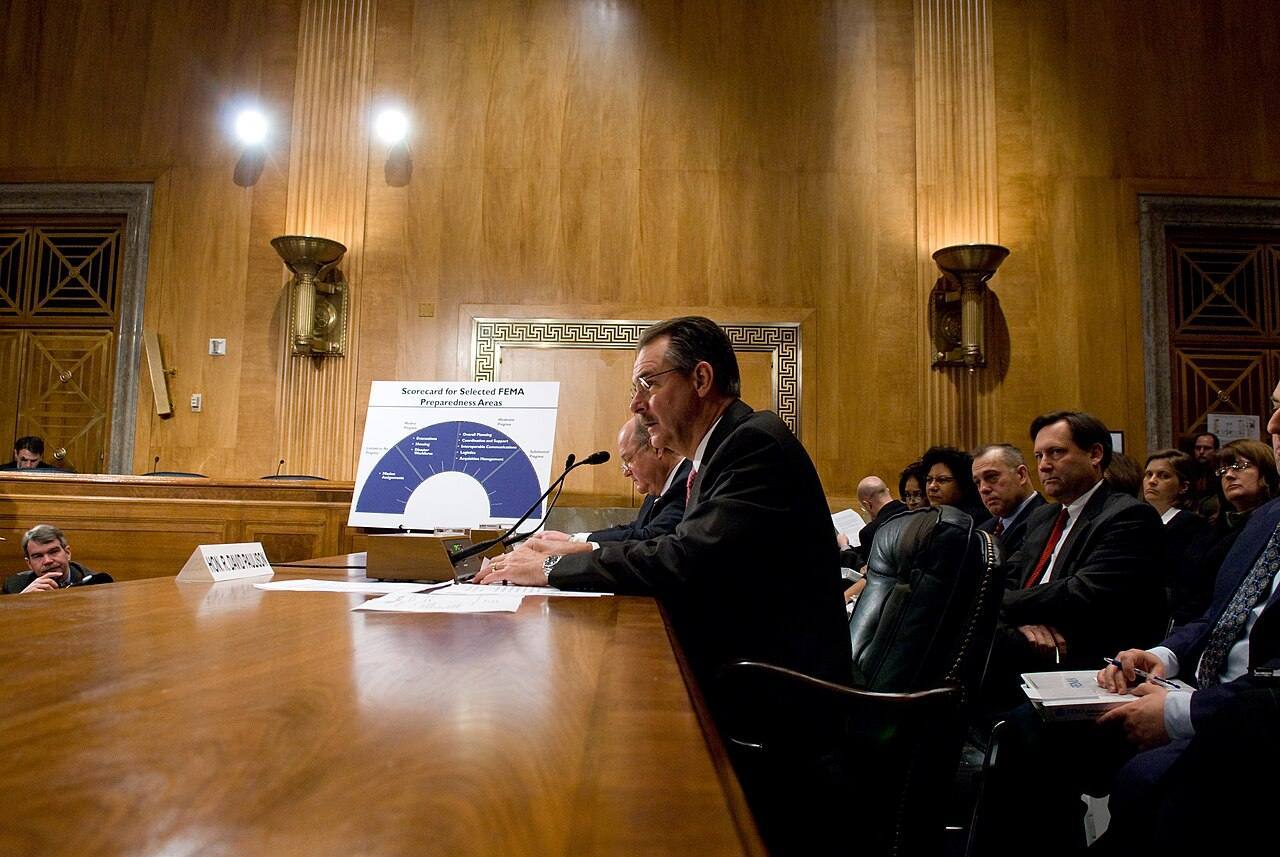
On the flip side, Republicans have historically positioned themselves as the champions of business and economic growth, often siding with industries that have deep pockets and a willingness to contribute to political campaigns. Their rhetoric against excessive regulation is often accompanied by a tacit acceptance of the lobbying status quo, which allows corporations to exert influence without facing significant scrutiny. The irony is palpable: the party that prides itself on individualism and free markets is frequently found cozying up to the interests that undermine those very principles.
"Both parties have become entrenched in a system that thrives on money and influence, all while decrying the very practices that sustain it."
The Bipartisan Game of Blame
As the legislative debate over lobbying reform unfolds, both parties engage in a familiar blame game. Democrats accuse Republicans of being beholden to corporate interests, while Republicans counter by highlighting the Democrats’ ties to labor unions and other advocacy groups. This tit-for-tat not only distracts from the pressing need for reform but also showcases a fundamental failure to take responsibility for shared complicity in the issues at hand.
Take, for instance, the recent scandals that have rocked Washington. Both sides of the aisle have found themselves embroiled in controversies tied to lobbyists who have crossed ethical lines. Yet, rather than addressing the systemic problems, the response has often been to propose piecemeal regulations that fail to tackle the root causes of the issue. This avoidance was evident in the last election cycle, where both parties heavily relied on funds from lobbyists, further entrenching the status quo.
Public Sentiment and the Call for Accountability
Public sentiment regarding lobbying practices has reached a boiling point. Citizens are increasingly disillusioned with the notion that their representatives are more concerned with catering to lobbyists than serving the interests of their constituents. A recent poll indicated that a significant majority of Americans believe that lobbying is detrimental to democracy - a sentiment that both parties ignore at their peril.
In the end, the push for lobbying reform must transcend partisan lines. It requires a willingness from both Democrats and Republicans to confront their own histories and acknowledge their shared responsibility in perpetuating a system that prioritizes money over accountability. The upcoming legislative sessions present a critical opportunity for lawmakers to rise above the fray and enact meaningful reforms that restore public trust.
Looking Ahead
As Congress prepares to tackle lobbying disclosure, the path forward remains uncertain. Will lawmakers prioritize reform that genuinely addresses the issues at hand, or will they continue to play partisan games that ultimately benefit the interests of a select few? The answer may redefine the future of lobbying in the United States and, by extension, the health of our democracy.
✦ ✦ ✦