From the file. Written for the paper dated May 2003. Opened in the public stacks July 14, 2026.
In an age where efficiency is championed and profits are paramount, the fragility of our supply chain infrastructure is becoming alarmingly evident. As businesses scramble to adapt to the pressures of a global marketplace, the lack of oversight and accountability is leading many companies to overlook their Achilles' heel.

The Invisible Threads of Commerce
Supply chains are the backbone of the modern economy, weaving together producers, manufacturers, and consumers in a complex web of transactions. Yet, as the U.S. economy continues to expand, a significant concern arises: how well are these chains being managed? Recent events suggest that many companies are operating without a solid understanding of the vulnerabilities that lie within their supply networks.
The recent disruptions in the global market, including the fallout from geopolitical tensions and unforeseen natural disasters, have exposed weaknesses in supply chain management. Companies that have relied on just-in-time inventory systems are now finding themselves at a standstill, unable to secure essential materials promptly. This has led to a cascade of delays, costing businesses not only time but significant revenue as well.
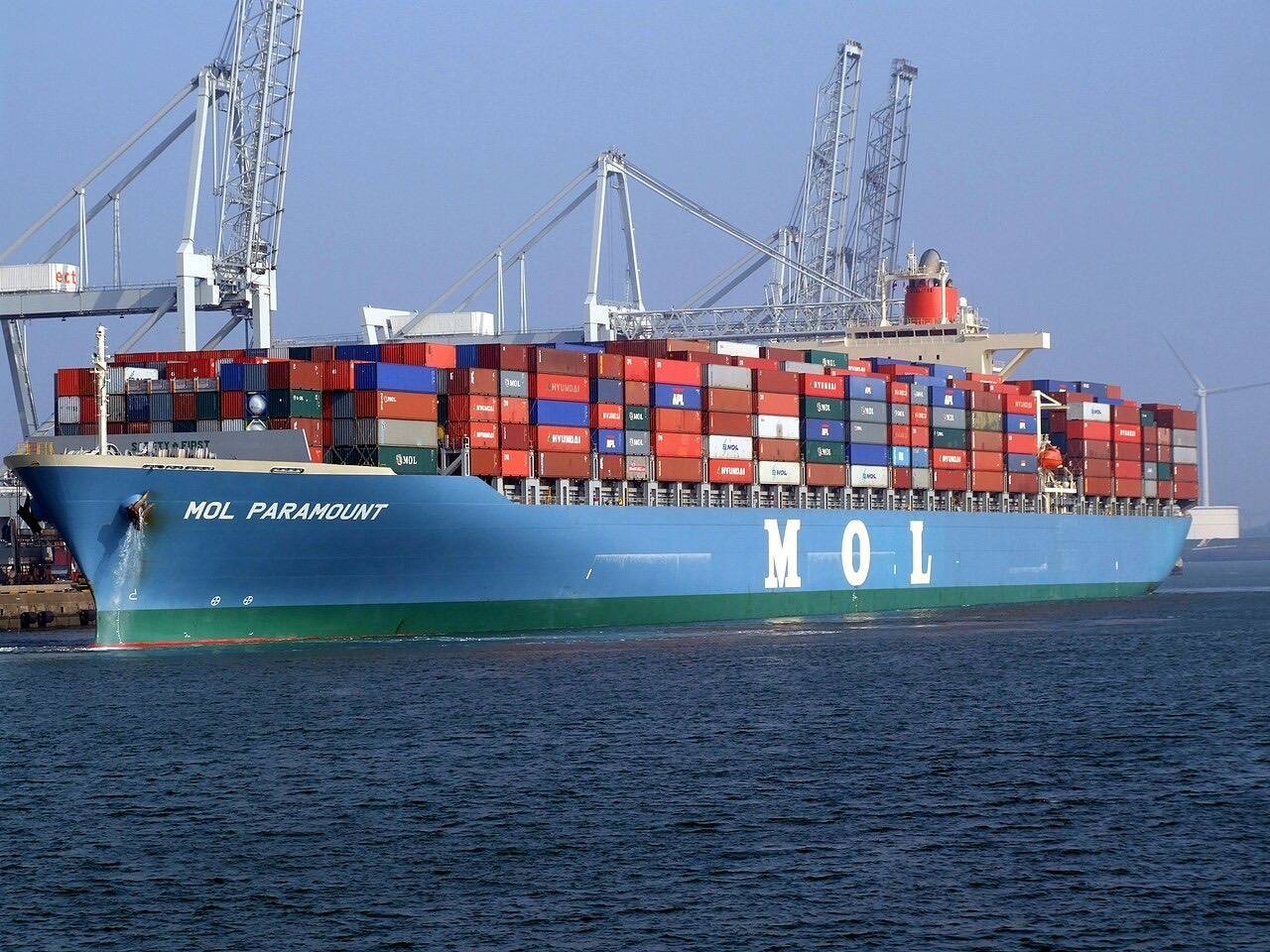
"In our rush to cut costs, we may be ignoring the very frameworks that keep our businesses afloat."
Left and Right: The Finger-Pointing Game
The political landscape is rife with accusations and blame games, with both the left and the right taking turns criticizing each other's approaches to economic oversight. The left argues for increased regulation, advocating for policies that would ensure businesses prioritize transparency and ethical sourcing. They claim that corporate greed has led to the neglect of essential safety nets that protect workers and consumers alike.
On the other hand, the right champions deregulation, insisting that a free-market approach will lead to innovation and efficiency. However, this perspective often ignores the fact that unregulated markets can result in monopolistic practices and a lack of competition, ultimately harming consumers and stifling economic growth. Both sides seem to be missing the point: a middle ground is necessary for a functioning economy.
The Need for Accountability
As consumers, we often take for granted the ease with which products flow from manufacturers to our doorsteps. This convenience, however, comes at a cost. The lack of accountability in supply chain management has led many businesses to prioritize short-term profits over long-term sustainability. Companies that fail to invest in robust supply chain strategies may find themselves paying a heavy price down the line, both financially and reputationally.
Moreover, the environmental impact of supply chain decisions cannot be overlooked. The push for cheaper production often results in companies outsourcing jobs to countries with lax labor and environmental regulations. This not only exploits workers but also contributes to a cycle of ecological degradation that threatens the planet. A more conscientious approach to supply chain management is essential, one that takes into account the social and environmental ramifications of business decisions.
Bridging the Divide
To navigate the complexities of supply chain management, companies must be willing to embrace a collaborative approach that transcends political ideologies. This means engaging in open dialogue with stakeholders, including employees, consumers, and policymakers. By fostering a culture of transparency and accountability, businesses can rebuild trust and resilience within their supply chains.
Furthermore, investing in technology and innovation can help companies better understand their supply chain dynamics. Utilizing data analytics to identify potential risks and inefficiencies can empower businesses to make informed decisions that benefit not only their bottom line but society as a whole.
Conclusion: A Call for Change
It is clear that the current state of supply chain management requires a reevaluation of priorities. Both the left and the right must recognize the importance of working together to create a framework that supports ethical, sustainable practices. Only then can we ensure that our supply chains remain robust and resilient in the face of future challenges.
✦ ✦ ✦