From the file. Written for the paper dated May 2003. Opened in the public stacks July 14, 2026.
In a political landscape increasingly dominated by special interests, the recent push for lobbying disclosure has exposed the fundamental flaws in our oversight systems. This is not merely a technical issue but a glaring example of our inability to hold powerful interests accountable, regardless of whether they lean left or right.

Shadowy Influence
As we enter the summer of 2003, the debate surrounding lobbying disclosure laws is heating up, yet the outcomes remain tepid at best. The recent legislative efforts to enhance transparency in lobbying practices have been met with a mix of enthusiasm and skepticism. While proponents argue for a clear and accountable system, critics on both sides point to the loopholes that continue to allow for obfuscation.
On the left, advocates for reform are pushing for stricter regulations that would require lobbyists to disclose their activities and financial contributions more comprehensively. Yet, as they advocate for transparency, some left-wing groups have themselves been guilty of using the very tactics they seek to regulate. The irony is not lost on those observing the discourse: how can we demand accountability from others while we operate in the shadows?
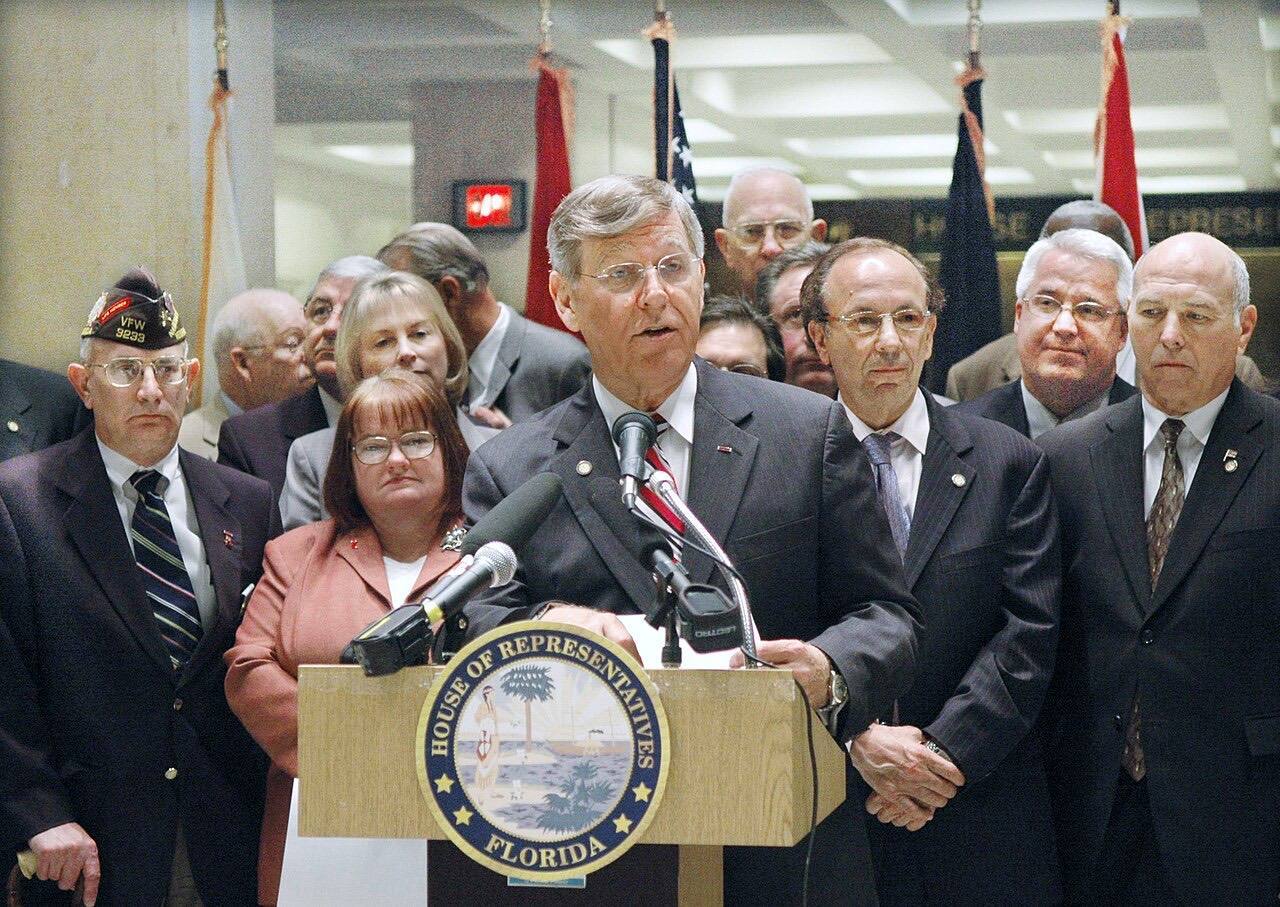
Meanwhile, the right has largely resisted stringent lobbying regulations, branding them as unnecessary burdens on free speech and business interests. This argument, however, often overlooks the reality that unchecked lobbying can lead to policies that favor the few at the expense of the many. The hyperbole from some conservative circles suggests that any form of regulation is tantamount to an attack on American freedom, which is an exaggeration that undermines genuine dialogue about the need for reform.
"A lack of transparency breeds distrust, and that distrust is a dangerous currency in our democracy."
The Legislative Landscape
The current legislative proposals aim to close gaps that have allowed lobbyists to operate with minimal oversight. Yet, as the discussions unfold, it becomes clear that the measures being put forth may not be enough to create the transparency needed to mitigate the influence of money in politics. The proposed changes often focus on disclosure forms that are complicated and difficult for the average citizen to navigate, leading to a situation where the very individuals we aim to inform remain in the dark.
As Congress debates these proposals, the voices of lobbyists themselves often dominate the conversation. With ample resources at their disposal, lobbying firms can easily mount campaigns to sway public opinion and influence lawmakers. The outcome? A legislative environment where the interests of corporations and special interest groups overshadow the needs of everyday Americans.
A Call for Genuine Reform
The call for reform cannot be merely about slapping a sticker of accountability on existing practices. It has to be about creating a system that empowers citizens and dismantles the structural advantages held by lobbyists. The left must recognize the hypocrisy of demanding transparency while engaging in questionable practices themselves. The right, on the other hand, needs to shed the notion that all lobbying regulations are an infringement on liberties, instead acknowledging that a truly free market requires a level playing field.
Without meaningful reform, we risk sliding further into a system where political power is determined not by the will of the people but by the depth of one’s pockets. It is crucial for both sides to come together to craft legislation that not only closes the loopholes but also simplifies the disclosure process. A truly transparent system is one where citizens can easily access information about who is lobbying whom and for what purpose.
"In the end, it is the average American who suffers the consequences of unchecked lobbying."
Moving Forward
The time for half-measures has passed. As we approach the next election cycle, the public will be watching closely to see if lawmakers are willing to take real steps toward transparency. The dialogue must shift from defending the status quo to embracing a future where accountability is the norm, not the exception.
The stakes are high. A democracy that does not hold its representatives accountable is a democracy at risk. Both sides of the political spectrum must acknowledge the threat posed by lobbying and work collaboratively to ensure that the voices of ordinary citizens are not drowned out by the clamor of special interests.
✦ ✦ ✦