From the file. Written for the paper dated May 2003. Opened in the public stacks July 14, 2026.
In the wake of the ongoing conflict in Iraq, the recent intelligence estimates have come under intense scrutiny. While the administration pushes forward with its agenda, the failures of oversight in the intelligence community reveal a troubling picture that transcends partisan lines.
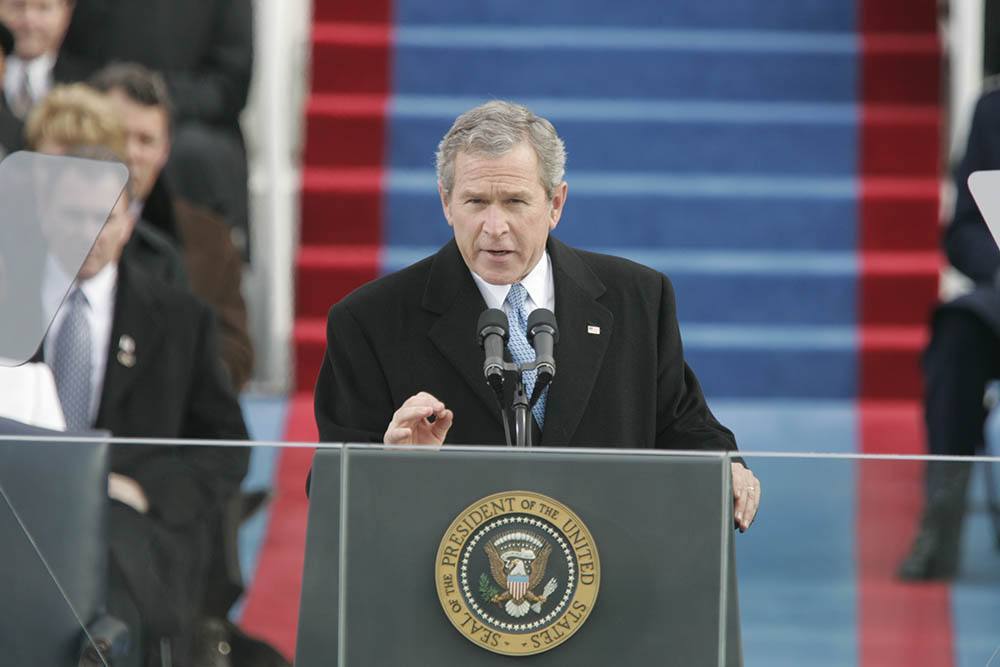
Understanding the Intelligence Estimate
The intelligence estimates released by the government have become a focal point of debate in the current political climate. As the nation grapples with the implications of military action abroad, the reliability of the intelligence that justified such actions is being questioned. Critics on both sides of the political spectrum are beginning to voice concerns over the accuracy and accountability within the intelligence apparatus.
On one hand, the administration has sought to present a united front, emphasizing the threats posed by Saddam Hussein. Officials argue that the intelligence was sound and justified the need for military intervention. They claim that the estimates were based on credible sources and historical precedents. However, this narrative has been challenged as more questions arise about the methods and motivations driving these assessments.
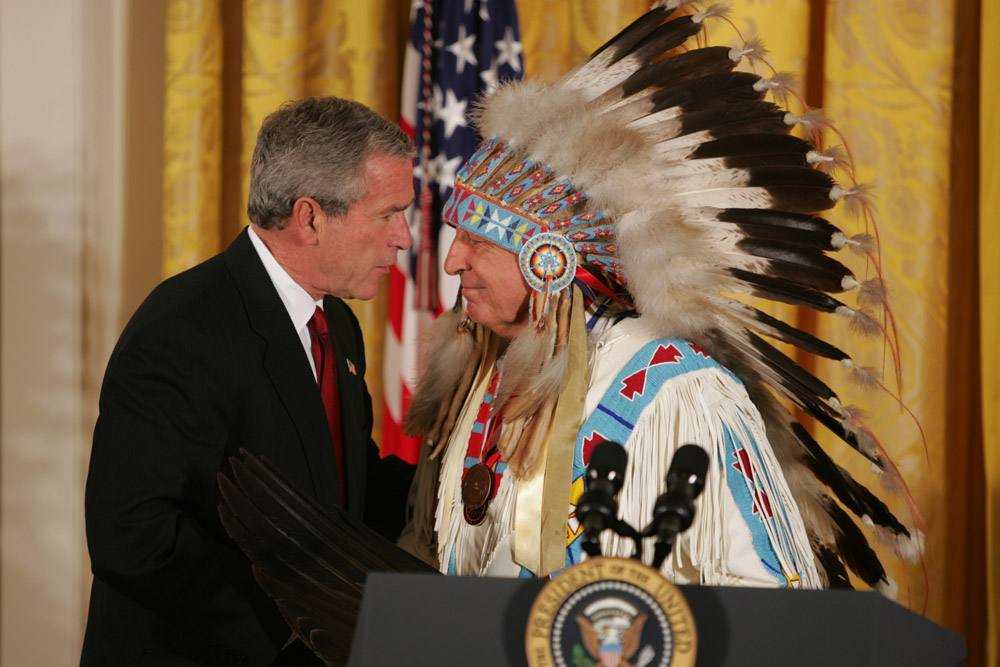
On the other side, critics have lambasted the administration for what they see as a manipulation of intelligence to fit a political agenda. The left has pointed to a lack of transparency and a failure of oversight in the intelligence community that has led to a shaky foundation for such momentous national decisions. They argue that the political imperative to act has overshadowed the necessity of accuracy and thoroughness in intelligence gathering.
"We cannot allow the politicization of intelligence to undermine our national security." - Anonymous Intelligence Official
The Right's Blind Faith
The right, in its unwavering support for the military action, often dismisses these concerns as mere partisan noise. The belief that the administration can do no wrong has led to a troubling complacency. There is a reluctance to hold the intelligence community accountable, as doing so might cast doubt on their own support for the war effort. This blind faith in leadership, while understandable in times of national crisis, poses significant risks when it comes to the integrity of our intelligence operations.
This lack of scrutiny is particularly alarming given the stakes involved. The consequences of faulty intelligence extend far beyond political capital; they affect lives, national security, and international relations. When the right silences dissenting voices within its ranks, it risks creating an echo chamber that could lead to further miscalculations in the future.
The Left's Hysteria
This hysteria can undermine legitimate critiques and distract from the more pressing need for reform. Rather than fostering an environment conducive to thoughtful discussion and policy change, it risks deepening divisions within the public and among lawmakers. The left must find a way to channel its outrage into concrete proposals for reform rather than allowing it to manifest as a blanket condemnation of all military action or intelligence operations.
Time for Reform
What is ultimately needed is a balanced approach that recognizes the failures and limitations of the intelligence community while also holding leaders accountable for their actions. Both sides must step back and engage in a dialogue that prioritizes national security over political posturing. This means acknowledging the importance of oversight, transparency, and integrity in intelligence gathering and analysis.
As citizens, we must demand better from our leaders and from the systems meant to protect us. A quiet failure of oversight cannot be allowed to fester unchecked. It is imperative that we create a culture where intelligence is subject to scrutiny, and where those who manipulate it for political gain face consequences.
✦ ✦ ✦