From the file. Written for the paper dated April 2003. Opened in the public stacks July 14, 2026.
As the world grapples with the ongoing challenges of biological threats, the issue of pandemic readiness has moved to the forefront of public discussion. In this week’s analysis, we examine both the excesses of alarmism and the dismissive attitudes that characterize the current discourse.
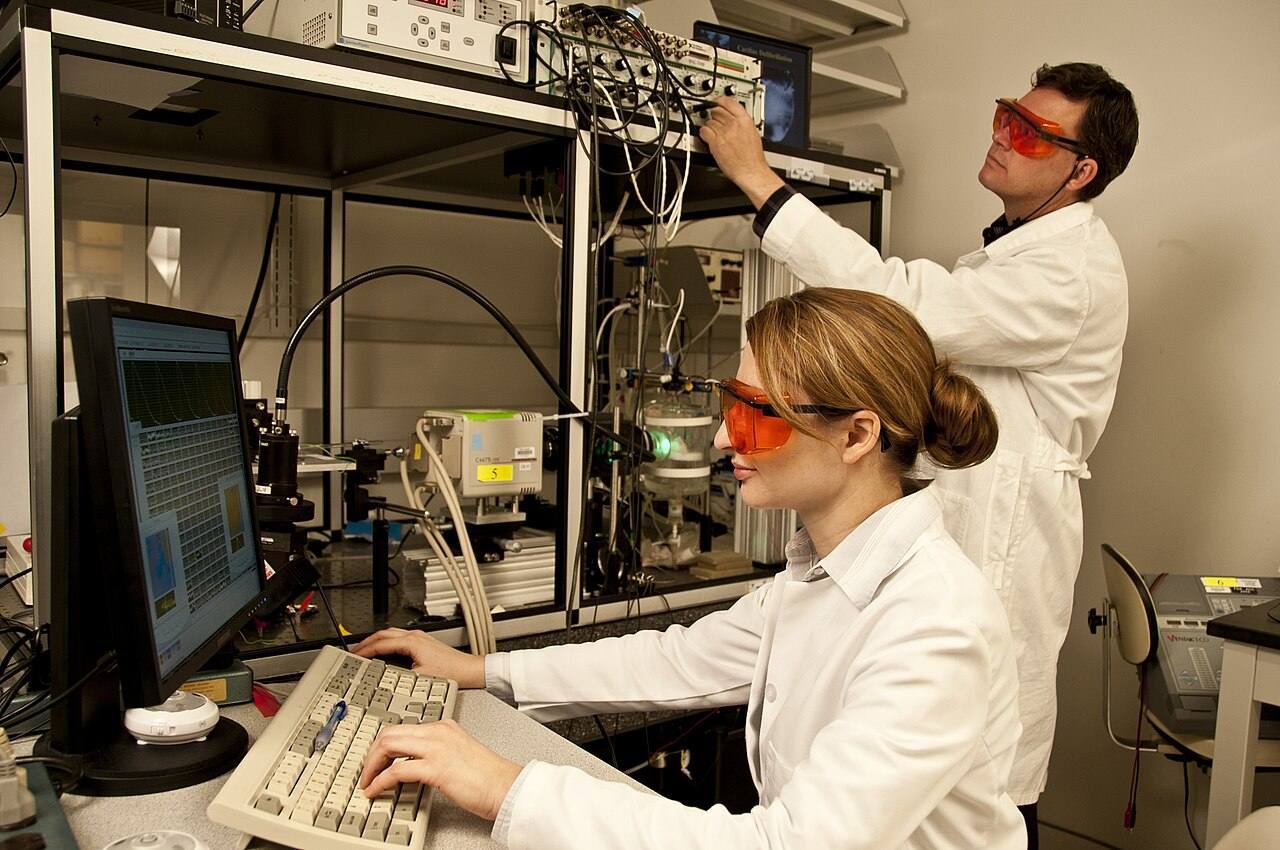
Alarmism vs. Complacency
In the wake of recent health crises, there has been a surge of alarmist rhetoric from various quarters. Some commentators and public health officials seem intent on instilling fear rather than fostering informed preparedness. While it is crucial to take potential pandemics seriously, the constant drumbeat of doom can lead to public fatigue and skepticism. This type of fear-mongering may ultimately hinder effective responses when genuine threats arise.
On the other side of the spectrum, we have the complacent voices that downplay the risks associated with infectious diseases. This group often cites past instances where dire predictions did not materialize, arguing that the current concerns are exaggerated. However, to dismiss these warnings entirely is to ignore the lessons of history, where unpreparedness has led to devastating consequences. Both extremes fail to serve the public interest; while one fosters hysteria, the other promotes ignorance.
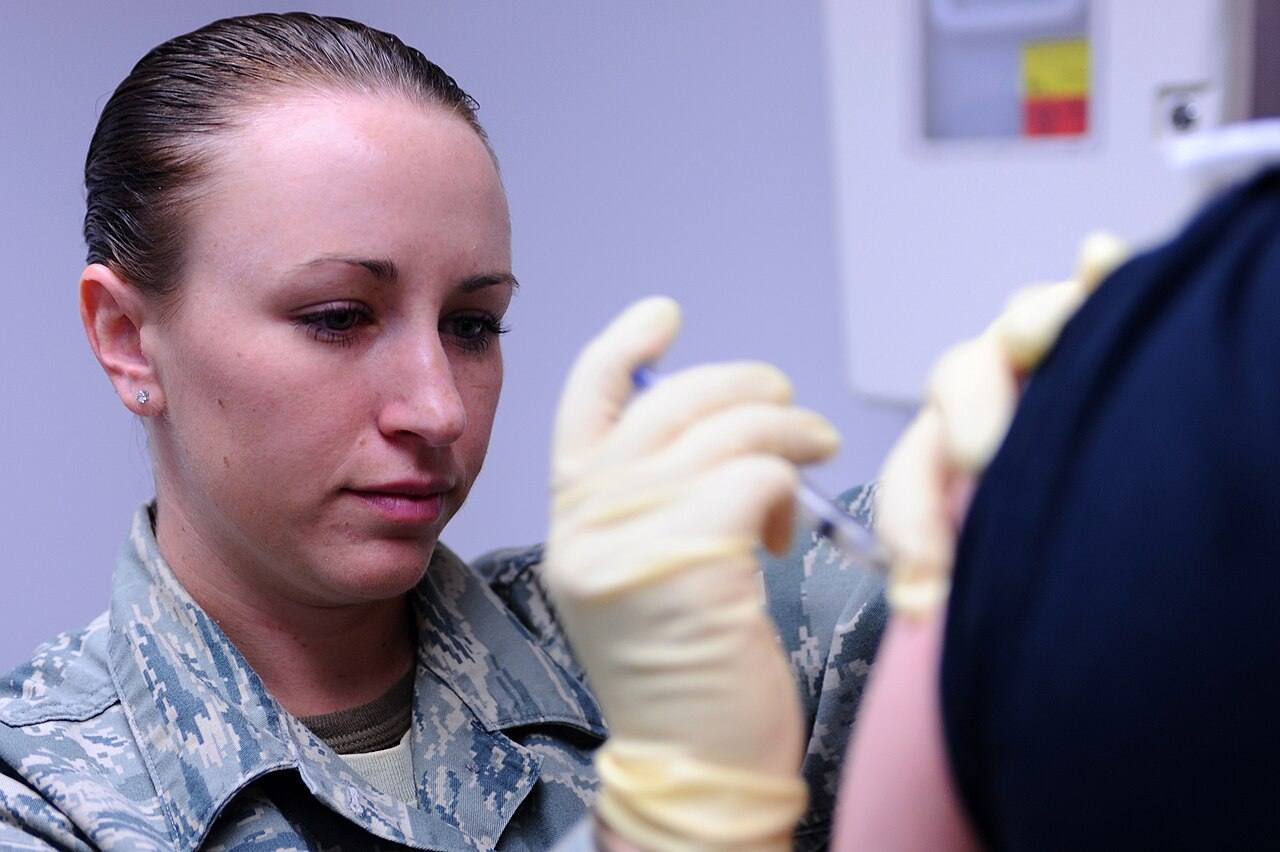
"The balance between caution and fear is a tightrope that public health officials must walk."
Policy Responses: A Mixed Bag
As governments and health organizations worldwide scramble to tighten their pandemic readiness protocols, the responses have been varied. Some countries are ramping up funding for research and preparedness, while others are engaging in finger-pointing and blame-shifting. The lack of a cohesive global strategy highlights serious gaps in cooperation and coordination among nations.
In the United States, the federal government has initiated discussions about enhancing surveillance systems and improving vaccine distribution methods. Yet, there remains a significant disconnect between policy proposals and on-the-ground implementation. Local health departments are often left to navigate the murky waters of funding and logistical support, leading to disparities in readiness across regions. This inconsistency can have dire consequences, especially in the event of a widespread outbreak.
The Role of Media in Shaping Perceptions
Media coverage of health issues can significantly influence public perception and response. Unfortunately, sensationalist headlines often overshadow nuanced discussions about preparedness. The same outlets that warn of impending doom can just as quickly pivot to stories that downplay risks, creating a confusing narrative for the public.
Moreover, the media’s tendency to highlight individual stories of illness or survival can lead to a distorted perception of risk. While personal stories are important for humanizing the statistics, they can inadvertently skew the public's understanding of the broader epidemiological landscape.
"Balanced reporting is essential for informing the public without inciting panic."
A Call for Balanced Discourse
In a time when both alarm and complacency threaten to derail effective pandemic readiness, a balanced discourse is essential. Public health officials, journalists, and policymakers must work together to ensure that the conversation remains grounded in evidence-based practices while still acknowledging the need for vigilance.
Education plays a pivotal role in this effort. Public awareness campaigns should focus on equipping individuals with the knowledge to understand health risks without succumbing to fear. This is not merely about avoiding panic; it’s about empowering communities to take proactive measures in the face of real threats.
Conclusion
As we reflect on the current state of pandemic readiness, it is clear that both alarmism and complacency pose significant risks. The challenge lies in finding a middle ground that encourages informed action while avoiding the pitfalls of fear. Only then can we hope to create a resilient framework that prepares us for whatever biological threats lie ahead.
✦ ✦ ✦