From the file. Written for the paper dated March 2003. Opened in the public stacks July 14, 2026.
As the nation braces for possible military action in Iraq, the process of treaty ratification emerges as a critical but often overlooked element of American governance.

The Unseen Machinery of Diplomacy
The machinery of American diplomacy is complex, often hidden from the public eye. In the lead-up to potential military engagement, the conversation typically swirls around issues of national security and the ramifications of war. However, one crucial aspect that rarely garners the spotlight is the procedure of treaty ratification. This process, enshrined in the Constitution, demands the Senate's advice and consent, requiring a two-thirds majority to pass any treaty negotiated by the executive branch. Yet, as we find ourselves on the precipice of conflict, the weighty implications of this procedure seem to be lost in the national discourse.
On one hand, the Bush administration has been pushing forward with its agenda in Iraq, making declarations of imminent action. On the other hand, some lawmakers are questioning the rush to war, calling for a more measured approach that adheres to constitutional protocols. The absence of serious discussions about treaty ratification and its implications for U.S. foreign policy is alarming, especially considering the stakes involved.
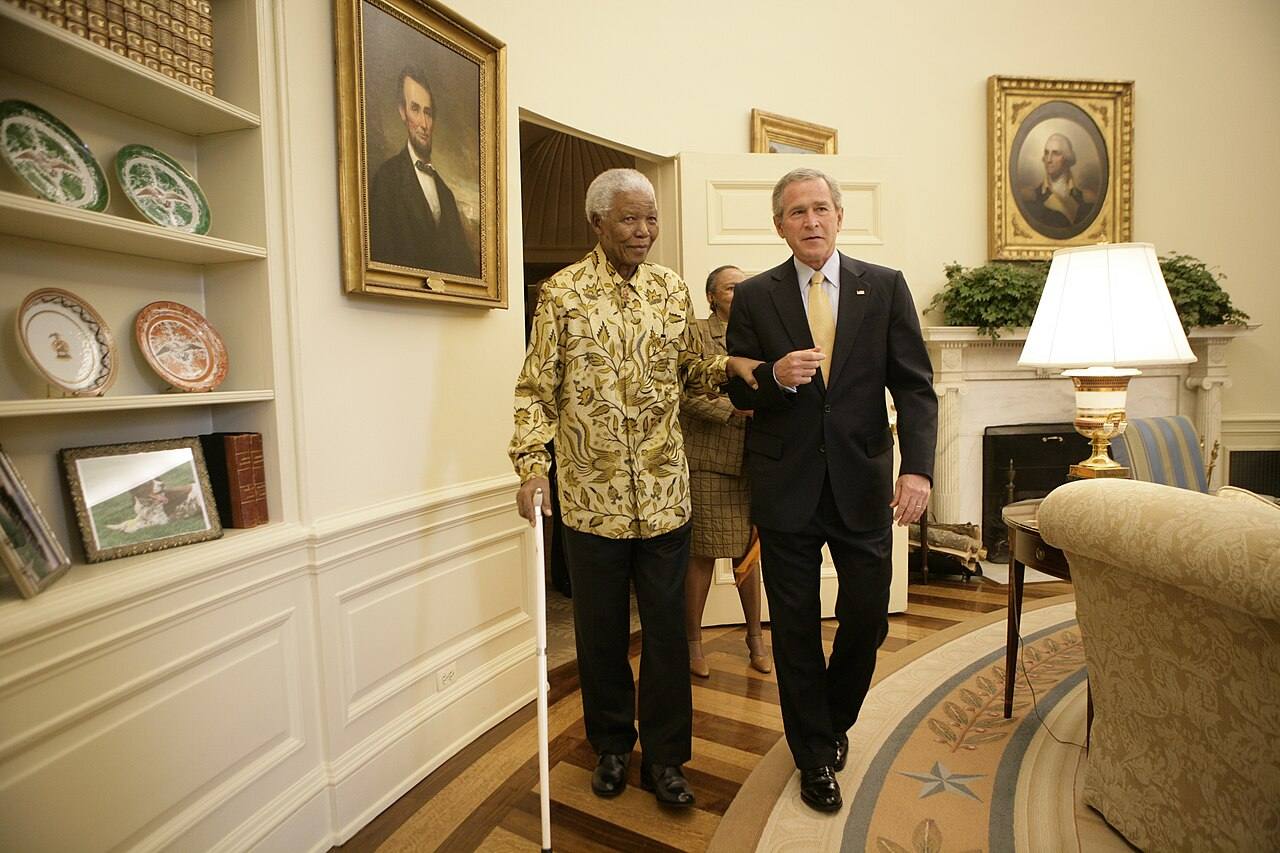
"When did our foreign policy become a matter of team jerseys rather than constitutional process?"
Partisan Excesses in Diplomatic Discourse
At this juncture, it is imperative to recognize the excesses on both sides of the political spectrum. The left has, at times, resorted to hyperbolic rhetoric, framing the administration's push for war as an unprovoked attack on an innocent nation. This oversimplification neglects the complexities of international relations and the threats posed by regimes hostile to American interests. While it is crucial to scrutinize the motivations behind the push for war, it is equally vital not to dismiss the genuine security concerns that underpin the administration's stance.
Conversely, the right often paints dissenting voices as unpatriotic or as appeasers of tyranny. This approach not only stifles necessary debate but also risks alienating segments of the populace who seek a more nuanced understanding of the issues at hand. The notion that one must don a "team jersey" - whether red or blue - to engage in discussions about war and peace is detrimental to the fabric of our democracy.
The Constitutional Obligation
As the debate over military action intensifies, the Constitution remains a guiding light, reminding us that treaty ratification is not merely a formality but a crucial element of our democracy. The framers of our Constitution understood that decisions of war and peace are too significant to be left solely in the hands of the executive branch. The Senate's role in ratifying treaties ensures that diverse viewpoints are considered and that the nation speaks with a unified voice on the global stage.
As we navigate the complexities of international relations and the specter of military intervention, we must not lose sight of the importance of adhering to constitutional processes. Treaties are not just legal documents; they represent commitments that can shape the course of history. The implications of bypassing this process can have far-reaching consequences, eroding trust in our government and undermining our standing in the international community.
The Call for Accountability
As citizens, we have a responsibility to demand accountability from our leaders. This includes not only questioning the motivations behind military action but also insisting on adherence to constitutional protocols. We must ask tough questions: Are we prepared to engage in a conflict without a thorough understanding of its implications? Are we willing to endorse a foreign policy driven by emotion rather than reasoned debate?
Moreover, we must recognize that the voices of dissent are not signs of weakness but rather expressions of a vibrant democracy. The ability to question and debate our government’s actions is a right that must be protected and encouraged. If we allow partisan divides to silence critical discussions about treaty ratification and military action, we risk undermining the very ideals upon which our nation was founded.
Looking Forward
As we stand at this crossroads, let us strive for a future where treaty ratification is not sidelined in favor of political expediency. A robust, informed debate about our foreign policy - one that includes voices from all sides - will only strengthen our democracy. The stakes are too high for us to settle for anything less than a transparent and accountable process.
✦ ✦ ✦