From the file. Written for the paper dated March 2003. Opened in the public stacks July 14, 2026.
As Congress gears up for yet another round of hearings, it’s worth noting that the spectacle of oversight is often overshadowed by partisan theatrics, leaving the substance of the issues at hand buried beneath the noise.

The Theater of Oversight
In an era where the political landscape feels increasingly polarized, the ritual of Congressional oversight hearings has become more of a performance than a productive exercise. Both sides of the aisle seem to have their own script, one that prioritizes winning media cycles over genuine accountability. The spectacle has raised questions about the very purpose of oversight and the extent to which it serves the public interest.
On one hand, the left has taken to wielding oversight hearings as a tool for exposing what they deem the excesses of the current administration. In this pursuit, they often stray into the territory of grandstanding, prioritizing sound bites over substantial inquiry. Their focus on sensationalism can lead to a disconnection from the real issues affecting the American people. Instead of fostering a constructive dialogue, these hearings can devolve into shouting matches that do little to illuminate the truth.
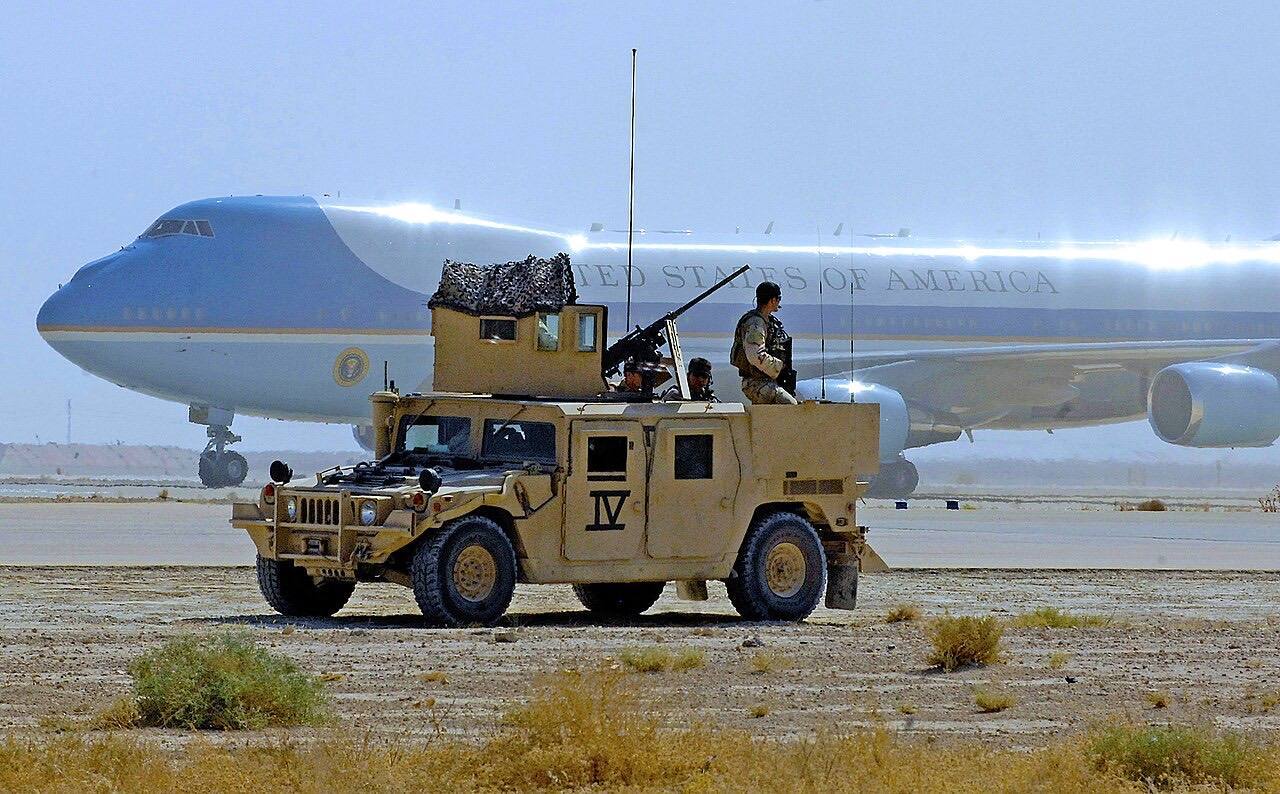
Meanwhile, the right has not been immune to the allure of theatrics. They often respond with their own brand of drama, attempting to portray themselves as the guardians of a beleaguered nation. This approach can result in a dismissal of legitimate concerns, framing them as partisan attacks rather than genuine issues deserving of scrutiny. The emphasis on defending the administration at all costs often leads to a frustrating dismissal of valid inquiries, creating a climate where accountability is secondary to political loyalty.
“The theater of Congress often overshadows the serious issues at hand, reducing complex matters to sound bites and partisan jabs.”
The Forgotten Purpose of Oversight
At its core, oversight hearings are meant to ensure that government operates effectively and transparently. They are intended to hold officials accountable for their actions, to investigate allegations of misconduct, and to review the implementation of policies. However, when the focus shifts from these goals to partisan posturing, the very essence of oversight is compromised.
For instance, in the current climate, one can see a clear divergence in how both parties approach the same issues. The left may pursue inquiries into the war on terror and the implications of heightened security measures, while the right may focus on undermining the credibility of those raising questions. This divergence is not inherently problematic; rather, it becomes an obstacle when it results in a lack of collaboration or mutual respect in the pursuit of truth.
As a result, many Americans may find themselves disenchanted with the entire process. The public is entitled to expect that their representatives will engage in meaningful oversight that prioritizes transparency and accountability. Instead, they are often met with a show that feels more like a political wrestling match than a serious inquiry into pressing national issues.
Bridging the Gap
To truly benefit from oversight hearings, both parties must recognize their responsibility in fostering a culture of accountability. This means moving beyond the simplistic narratives that currently dominate the discourse. It requires a willingness to engage with uncomfortable truths, even when they may not align perfectly with party lines. Only through genuine dialogue can Congress reclaim its role as an effective oversight body.
It is essential for lawmakers to remember that oversight is not merely a political tool but a fundamental responsibility. The public deserves to see their leaders working together to address concerns rather than engaging in petty squabbles that distract from the real work at hand. Moving forward, Congress must seek to elevate the discourse around oversight and prioritize the integrity of the process over the allure of political gain.
Conclusion
As we approach the next round of oversight hearings, it is imperative for both parties to step back from the brink of partisanship and reconsider their approach. Oversight should not be a zero-sum game; rather, it is an opportunity for constructive engagement that can benefit the entire nation. If Congress can rise above the theatrics and focus on genuine accountability, perhaps the public’s faith in their elected representatives can be restored.
✦ ✦ ✦