From the file. Written for the paper dated February 2003. Opened in the public stacks July 14, 2026.
The ratification of treaties is often overshadowed by the fervor of political debate, yet it remains a crucial mechanism for international relations.

The Process: A Necessary Yet Mundane Task
The intricacies of treaty ratification may seem boring to the average citizen, but they play a significant role in how a nation interacts with the world. In the United States, the Constitution stipulates that treaties require a two-thirds majority in the Senate for ratification, a process that can often become a battleground for ideological clashes. As we find ourselves in February 2003, the debate surrounding treaties is particularly heated, with both sides of the political spectrum amplifying their rhetoric.
On one hand, the left critiques the current administration’s approach to international agreements, particularly concerning environmental protocols and human rights conventions. They argue that the U.S. should be taking a leading role in global governance, promoting cooperation rather than unilateral action. However, their tendency to dismiss the complexities of treaty negotiations often leads to oversimplified narratives that alienate moderate voices.
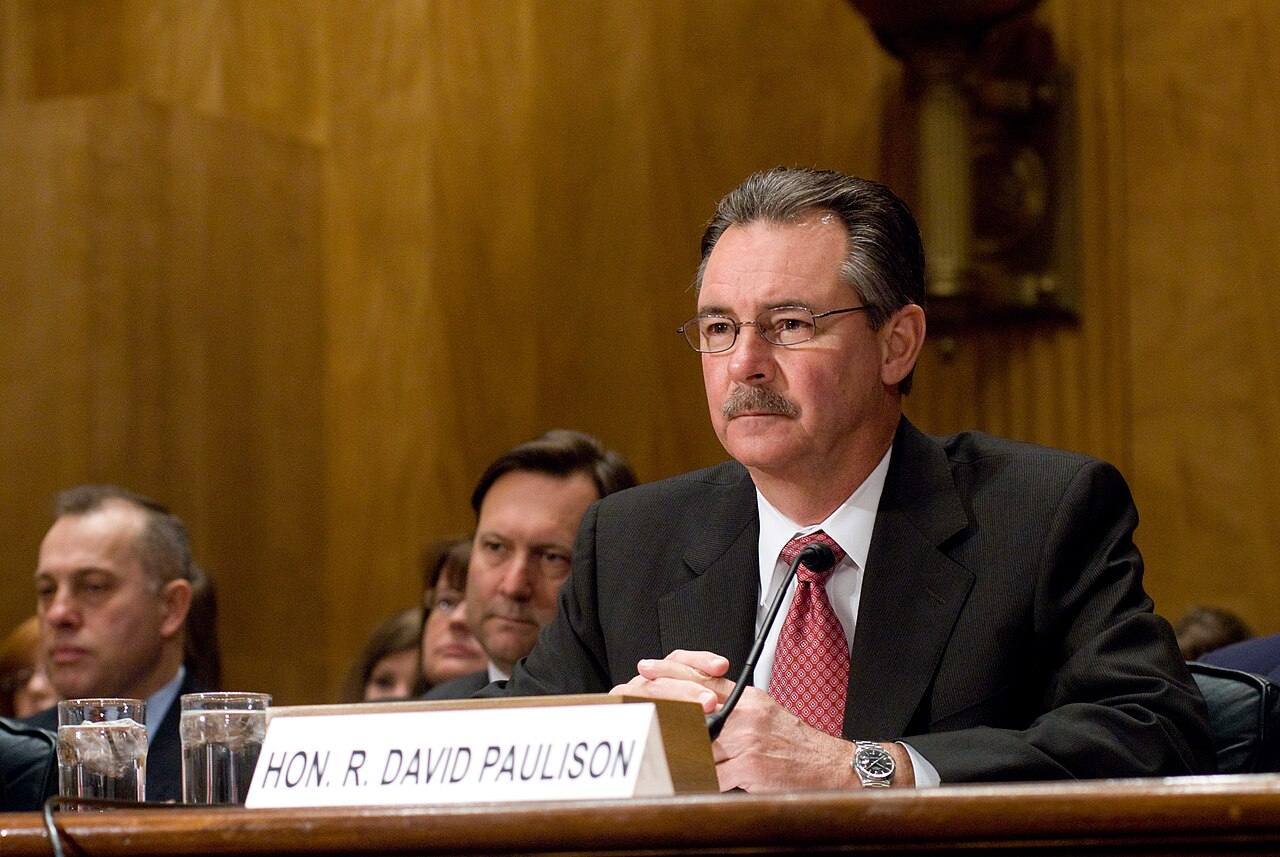
Conversely, the right raises concerns about the perceived erosion of American sovereignty that can accompany international agreements. They fear that ratifying treaties might bind the United States to obligations that undermine national interests. Yet, this fear is often characterized by hyperbolic claims that overlook the reality that treaties are negotiated to protect U.S. interests while promoting global stability.
“The debate on treaty ratification has become a microcosm of the larger ideological battle in America.”
What Happens Behind Closed Doors?
Before a treaty reaches the Senate floor, it undergoes a lengthy negotiation process. This involves diplomatic discussions, revisions, and sometimes intense bargaining, which can take years. The State Department plays a pivotal role, working to align various interests and ensuring that the final text reflects the priorities of the U.S. government while also being palatable to other signatories.
Once a treaty is signed, it must be submitted to the Senate for ratification. Here, the real political maneuvering begins. Senators must weigh the treaty against public opinion, party lines, and their own convictions. This is where the process can become convoluted, as external pressures mount from interest groups, constituents, and party leaders. The result is often a protracted debate that reveals the fractures within both parties.
The Stakes of Inaction
The consequences of failing to ratify important treaties can be severe. For instance, the U.S. has not ratified key international agreements on climate change, which critics argue puts the country at a disadvantage in global discussions about environmental policy. The left emphasizes that without ratification, the U.S. risks isolating itself from constructive dialogue and collaboration on pressing global issues.
Yet, the right contends that embracing every international agreement could dilute American influence, suggesting that the U.S. should focus on bilateral agreements that are more favorable to its interests. This stance, while pragmatic in theory, can lead to a disjointed approach to global issues that require collective action. The rhetoric from both sides often misses the mark, as they focus more on ideological purity than on the practical implications of their positions.
“The rhetoric from both sides often misses the mark, focusing more on ideological purity than on practical implications.”
A Broken System?
The current political climate raises questions about the effectiveness of the treaty ratification process. Critics argue that the two-thirds requirement creates a high barrier that leads to legislative gridlock. In an era where swift action is essential to address international crises, this may hinder the U.S. from effectively engaging with the global community.
Moreover, as partisan divides deepen, the potential for treaties to be weaponized in political battles increases. What should be a straightforward process of governance is often reduced to a contentious debate that serves to further entrench divisions rather than foster collaboration. This reality is troubling, as it suggests that critical issues may be sidelined in favor of political posturing.
Conclusion: Finding Common Ground
As we stand at a crossroads in February 2003, it is essential for both sides of the political spectrum to recognize the value of treaties and the necessity of compromise. Instead of viewing treaty ratification as a battleground for ideological warfare, lawmakers must approach it with the understanding that international cooperation is vital for addressing the challenges of our time.
While the process may be tedious and often unexciting, it is a fundamental aspect of governance that should not be taken lightly. As citizens, we must demand that our representatives engage in constructive dialogue, prioritizing the nation’s interests while also recognizing the importance of global collaboration.
✦ ✦ ✦