From the file. Written for the paper dated February 2003. Opened in the public stacks July 14, 2026.
In an age where the public's appetite for the cosmos is vast, the recent advances in telescope technology have often been overshadowed by the sensationalism of space exploration. Yet, beneath the exciting images of distant galaxies lies a mechanism that is both fundamental and, dare I say, boring. This article aims to demystify the mechanics behind telescope imaging, stripping away the drama to reveal the steady, unremarkable work that enables us to see the universe.

The Basics of Telescope Imaging
Telescope imaging relies on a straightforward principle: gathering light from distant objects and focusing it into a clear image. While this may sound simple, the underlying mechanics are complex. Telescopes utilize mirrors or lenses to capture light from celestial bodies, and this light is then magnified to reveal details that are otherwise invisible to the naked eye.
At the heart of this process is the optical system, which can be either a reflecting telescope, that uses mirrors, or a refracting telescope, that employs lenses. Each type has its own advantages and disadvantages, but both serve the same fundamental purpose: to collect and focus light. It is this “boring” mechanism that allows astronomers to observe the universe, but it often gets lost in the excitement surrounding new discoveries.
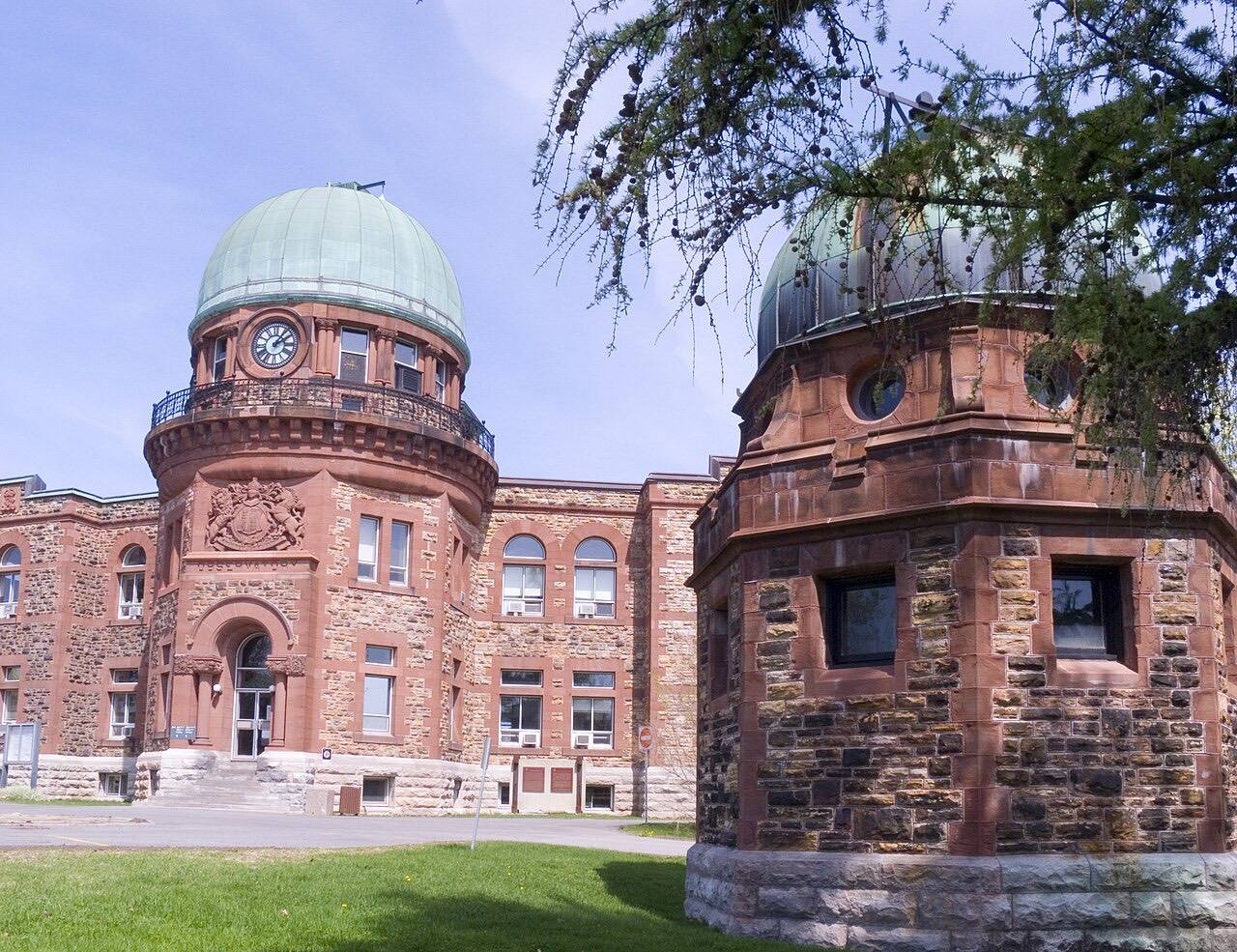
The Noise of the Cosmos
As we peer into the depths of space, we are often bombarded by the noise of the universe. This noise can come from various sources, including cosmic radiation and the faint light emitted by distant stars. It can be easy to become distracted by these sensational aspects when discussing astronomy, particularly in the media. Yet, the true challenge lies in interpreting these signals amidst the noise.
"The excitement of astronomy often overshadows the essential mechanics that make these stunning images possible."
Astronomers use advanced techniques to filter out this noise, ensuring that the images captured are not only beautiful but also scientifically valuable. Techniques such as signal averaging and noise reduction algorithms are crucial in this process, allowing scientists to distinguish genuine signals from random fluctuations. This meticulous work is often overlooked, yet it is essential for producing accurate images of our universe.
The Role of Technology
Modern telescopes have significantly benefited from advancements in technology. Digital sensors, for instance, have revolutionized the way we capture images of the cosmos. Unlike traditional photographic plates, digital sensors can capture a larger range of light wavelengths and can be adjusted for sensitivity. This technology has not only improved image quality but also expanded our understanding of the universe.
However, this has also led to an unfortunate tendency among some in the scientific community and the media to oversell findings. The excitement surrounding discoveries made possible by these advanced technologies can sometimes result in exaggerated claims about what we are truly observing. The noise of sensationalism can drown out the more mundane yet critical aspects of the scientific process, leading to confusion and misinterpretation among the public.
A Call for Balance
As we continue to explore the cosmos, it is essential for both scientists and journalists to maintain a balance between excitement and accuracy. The public has a right to understand what they are seeing when they gaze at images of distant galaxies, and this includes an awareness of the mechanisms that make these images possible.
While the images themselves may be breathtaking, the reality of how they are produced is often less glamorous. It is vital to convey the importance of the mechanics behind telescope imaging and to recognize that the pursuit of knowledge is often a slow, methodical process. Just because something is not flashy does not mean it lacks significance.
Conclusion
The captivating images of space that inspire so many are the result of complex yet often overlooked mechanisms. As we continue to explore the universe, the focus should not solely be on the sensational but also on the fundamental processes that allow us to see beyond our world. By appreciating the boring mechanisms behind the noise, we can cultivate a deeper understanding of the cosmos and the science that drives our exploration of it.
✦ ✦ ✦