From the file. Written for the paper dated February 2003. Opened in the public stacks July 14, 2026.
In a world where food safety recalls can spark panic among consumers and create chaos in grocery aisles, it is easy to overlook the systematic and often mundane processes that underpin these announcements.
The Mechanism of Recalls
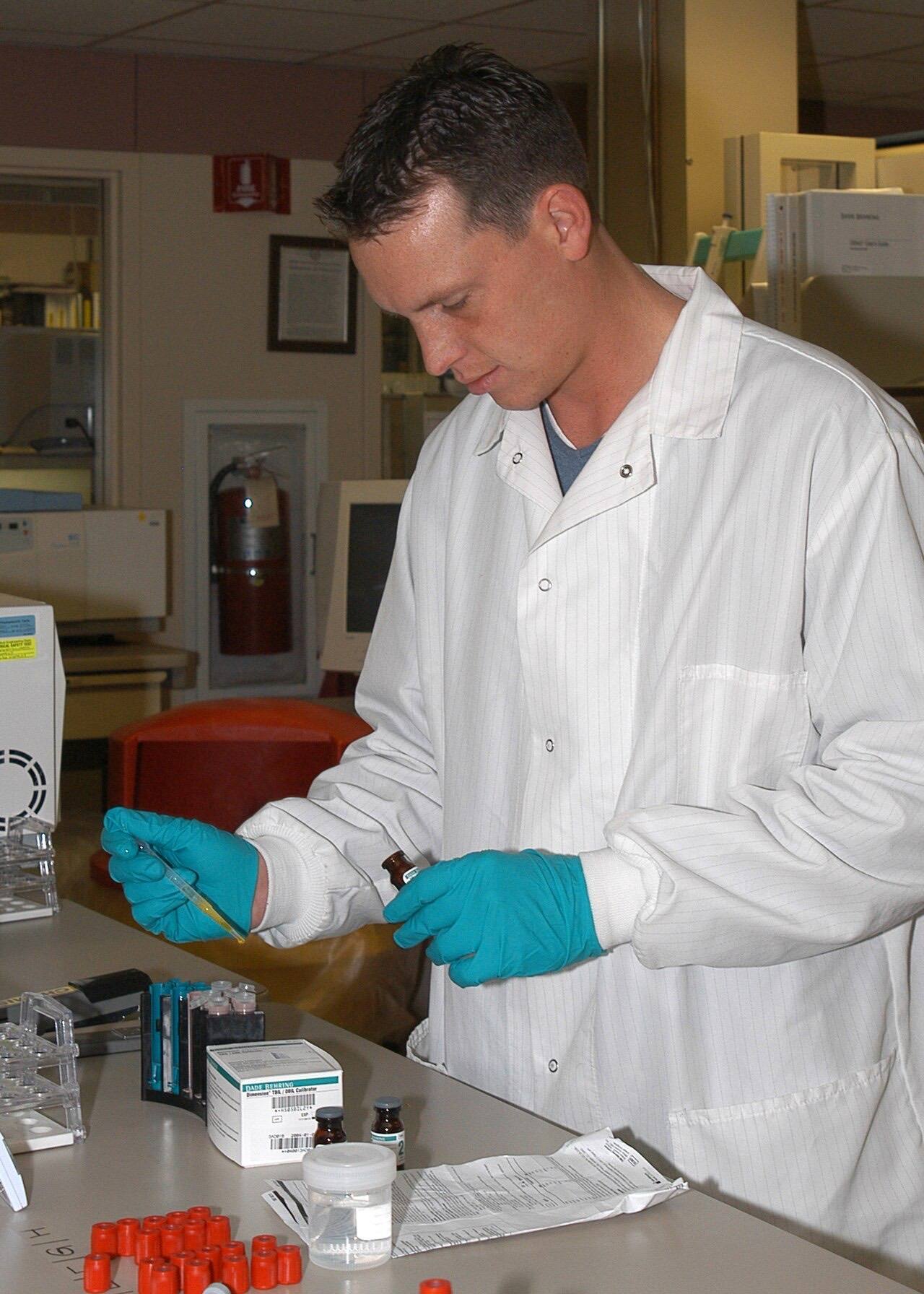
When food products are found to be contaminated or potentially harmful, a recall is initiated, and the processes that follow are designed to protect public health. The mechanism behind recalls is less about the sensational headlines and more about a series of methodical steps taken by food manufacturers, governmental agencies, and retailers. In an age where fear often overshadows facts, it is vital to understand how these recalls work and what they signify.
The Food and Drug Administration (FDA) and the United States Department of Agriculture (USDA) are the primary agencies responsible for food safety. When a potential hazard is identified, it typically starts with a report from consumers, producers, or routine inspections. The agencies then investigate the issue, working closely with the affected companies to determine the extent of the problem.
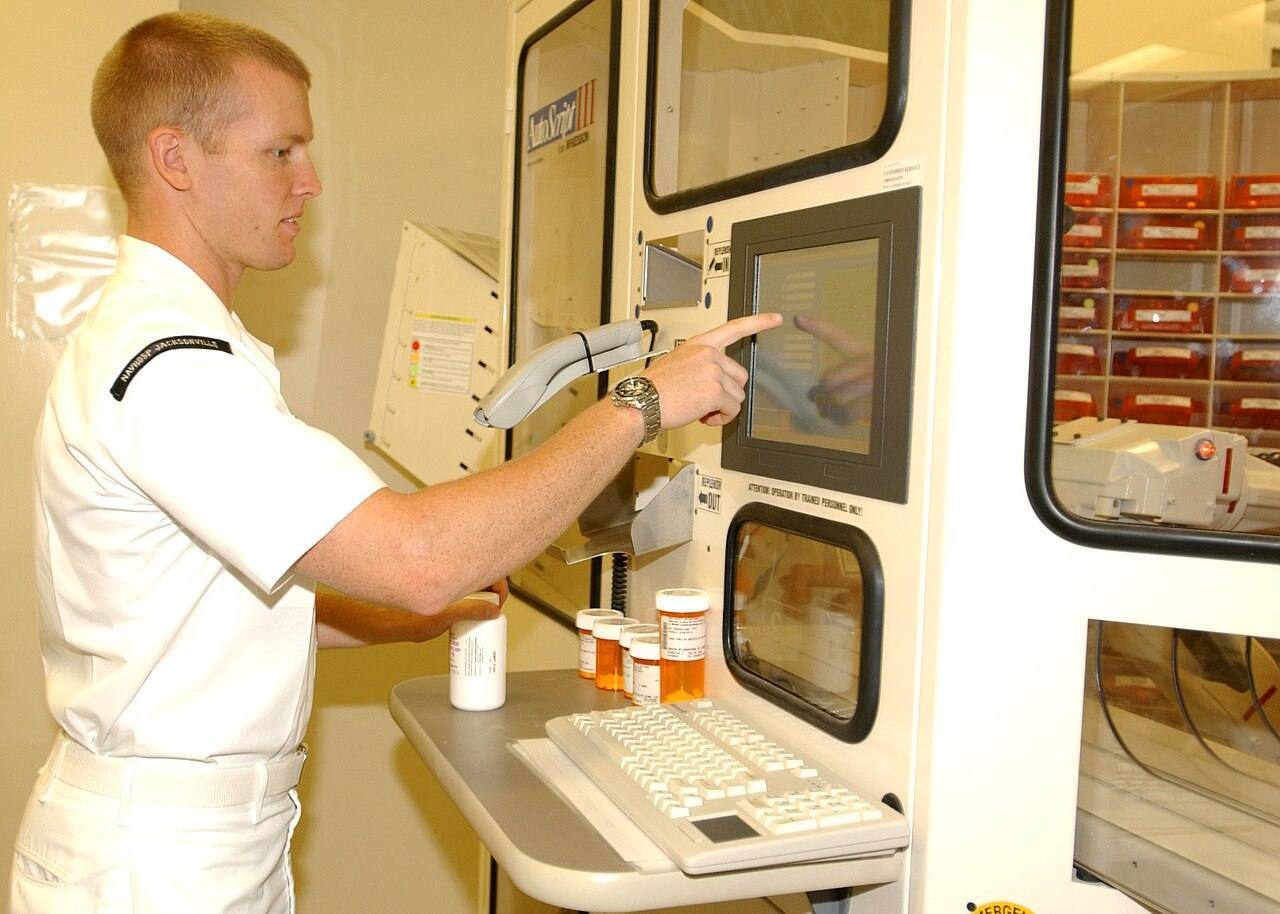
Once a recall is warranted, it is classified into categories based on the severity of the risk. Class I recalls involve situations where there is a reasonable probability that the use of the product will cause serious health consequences or death. Class II recalls are for products that may cause temporary or medically reversible adverse health consequences. Class III recalls involve products that are not likely to cause any adverse health reaction but violate labeling or manufacturing laws.
"It is essential for consumers to understand that recalls are not uncommon and are part of a larger safety net designed to protect them."
Consumer Impact
For consumers, the immediate aftermath of a recall can feel overwhelming. News reports flash across television screens, and grocery store shelves are quickly cleared of the affected items. However, it is important to remain calm and informed. The first step in mitigating risk is to be aware of the specific products being recalled, which is often communicated through press releases, social media channels, and public service announcements.
Yet, the challenge remains: many consumers are not fully aware of the procedures for checking if their food is part of a recall. This lack of awareness can lead to unnecessary panic and confusion. It is essential for consumers to understand that recalls are not uncommon and are part of a larger safety net designed to protect them. Ignorance may result in people throwing away perfectly safe food or refusing to purchase certain products altogether, which can ultimately harm businesses and the economy.
Corporate Responsibility
On the corporate side, food manufacturers bear the brunt of the fallout from a recall. They are responsible for managing the logistics of the recall process, which includes notifying retailers, retrieving products from stores, and communicating with consumers. The costs associated with recalls can be astronomical, leading companies to prioritize safety measures and quality control protocols to prevent future incidents.
However, there is a growing concern that some corporations react defensively to recalls. Rather than embracing transparency and accountability, some companies may downplay the risks or delay reporting issues to protect their bottom line. This behavior not only erodes consumer trust but also poses a significant risk to public health.
Political Dimensions
Interestingly, food safety recalls also highlight the tensions between governmental regulation and corporate interests. Some argue that government agencies need to enforce stricter regulations to protect consumers, while others advocate for less regulation to foster business growth. This debate often leads to polarized views, with each side accusing the other of undermining public safety or economic stability.
On one side, the left may push for more stringent regulations, citing the need for consumer protection and food safety as a paramount concern. On the other hand, the right often emphasizes the importance of free-market principles and the potential for overregulation to stifle innovation and entrepreneurship. This clash can lead to a disconnect between the realities of food safety and the political rhetoric surrounding it.
A Call for Balanced Dialogue
As we navigate the complexities of food safety recalls, it is crucial to foster a balanced dialogue that transcends political divides. Consumers deserve to feel safe and informed about the food they purchase, while businesses must be held accountable for their practices without being crippled by regulations that may be excessive.
In the end, food safety recalls are a reminder of the intricate balance between public health and corporate responsibility. By understanding the mechanisms at play, consumers can take a proactive role in their health, and corporations can work to restore trust and transparency in their practices. It is a shared responsibility that requires cooperation from all stakeholders - a task that is essential for the well-being of our society.
✦ ✦ ✦