From the file. Written for the paper dated December 2002. Opened in the public stacks July 14, 2026.
As attention shifts to the latest developments in space exploration, a less glamorous yet equally significant issue looms in the background: the quiet failure of oversight regarding satellite technology. While the excitement surrounding new launches captures public imagination, the failure of existing satellites reveals cracks in the system that could have far-reaching implications.
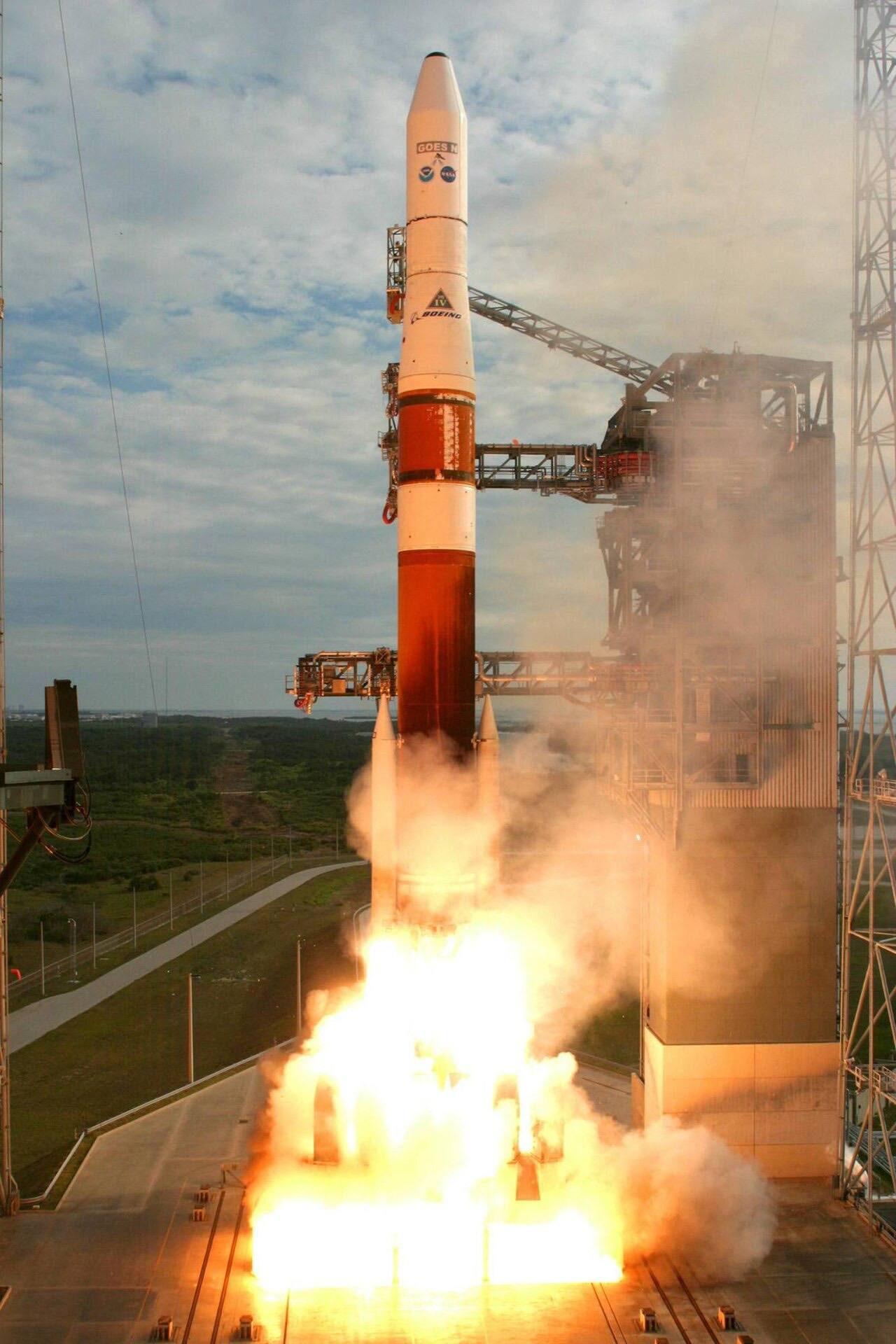
The Forgotten Failures
In recent months, several satellites have experienced critical failures, drawing attention to the need for comprehensive oversight and maintenance of our space assets. These failures often go unnoticed amid the noise of groundbreaking research and ambitious missions. When a satellite fails, it can result in the loss of valuable data, disrupt communication networks, and even threaten national security.
The causes of these failures are manifold, ranging from technical malfunctions to inadequate maintenance protocols. A notable recent incident involved a weather satellite that suffered a malfunction, rendering it unable to provide crucial atmospheric data. The implications of such failures are profound, especially as we rely increasingly on satellite technology for everything from weather forecasting to navigation.

A Silent Crisis
Despite the critical nature of satellite operations, oversight has not kept pace with technological advancements. The agencies responsible for monitoring and maintaining these satellites face budgetary constraints and bureaucratic hurdles that can stifle timely interventions. As a result, many satellites are left to operate on outdated systems, vulnerable to failures that could easily be prevented with proper attention and resources.
"The oversight failures are not just technical; they reflect a broader neglect of the infrastructure that supports our modern way of life."
Moreover, the narrative surrounding space exploration often emphasizes the triumphs of science and innovation, overshadowing the less glamorous but equally important task of ensuring that existing technology functions effectively. The public's fascination with new achievements can lead to complacency regarding the care of our current satellite fleet.
Political Posturing and Public Focus
In the political arena, both sides of the aisle often capitalize on the excitement of new missions, drawing attention away from the systemic issues within satellite management. The left tends to advocate for increased investment in science and technology, while the right often champions budget cuts and efficiency. However, both extremes can lead to neglect of the essential oversight needed for our existing satellite infrastructure.
While the left's enthusiasm for new projects is commendable, it can sometimes result in overlooking the foundational elements that keep our technology operational. Meanwhile, the right's focus on cutting costs may inadvertently compromise the reliability of our satellite systems, risking the very infrastructure they seek to protect.
Consequences of Inaction
The consequences of neglecting satellites are not abstract. A failure to address these issues could lead to significant disruptions in communication, navigation, and data collection. As our society becomes increasingly dependent on satellite technology, the risks associated with oversight failures grow exponentially.
In addition to the immediate technical repercussions, there are broader implications for national security. Satellites play a crucial role in military operations and intelligence gathering. A compromised satellite system could provide adversaries with strategic advantages, undermining our national security interests.
A Call for Comprehensive Oversight
To address the growing concerns surrounding satellite failures, a comprehensive approach to oversight is essential. This includes not only investing in new technology but also ensuring that existing satellites are adequately monitored and maintained. Agencies responsible for satellite management must be empowered to allocate resources effectively and prioritize the upkeep of our current fleet.
Furthermore, public awareness and engagement are crucial. As citizens, we must demand accountability from our leaders regarding the reliability of satellite technology. By fostering a culture of vigilance, we can help ensure that oversight does not become an afterthought in the race for innovation.
Conclusion
The quiet failures of our satellite systems serve as a sobering reminder of the complexities involved in modern technology. While the excitement of new missions captures our imagination, it is imperative that we do not lose sight of the existing infrastructure that keeps our society connected and informed.
As we move forward, let us advocate for a balanced approach that prioritizes both innovation and the meticulous care of our technological assets. Only then can we ensure a reliable future in the vast expanse of space.
✦ ✦ ✦