From the file. Written for the paper dated December 2002. Opened in the public stacks July 14, 2026.
As winter settles in, air quality alerts have become a familiar refrain in many urban centers across the United States. Yet, amid the seasonal warnings, a more unsettling truth emerges: the ongoing failure of oversight in addressing air quality issues.
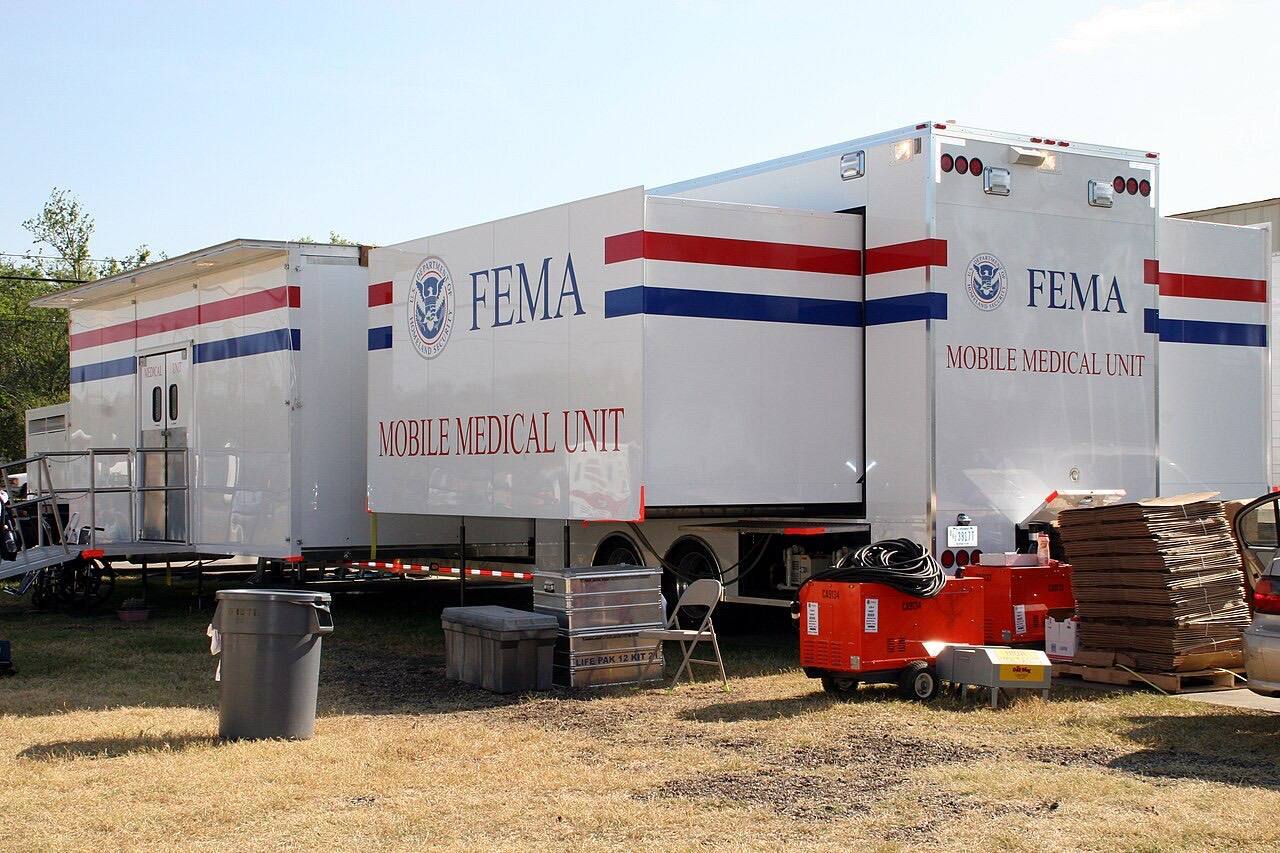
Silent Threats in the Air
In recent weeks, the Environmental Protection Agency (EPA) has issued air quality alerts in various regions, particularly in areas plagued by industrial emissions and heavy vehicular traffic. The alerts serve as a reminder of the air pollution that continues to threaten public health, particularly for vulnerable populations such as children and the elderly. However, these warnings often fade into the background noise of daily life, overshadowed by more sensational headlines.
The irony is not lost on those who work tirelessly to raise awareness about the impact of poor air quality. While the media cycle churns out stories about higher-profile issues, the persistent danger of air pollution remains largely unaddressed, a quiet failure of oversight that puts lives at risk.
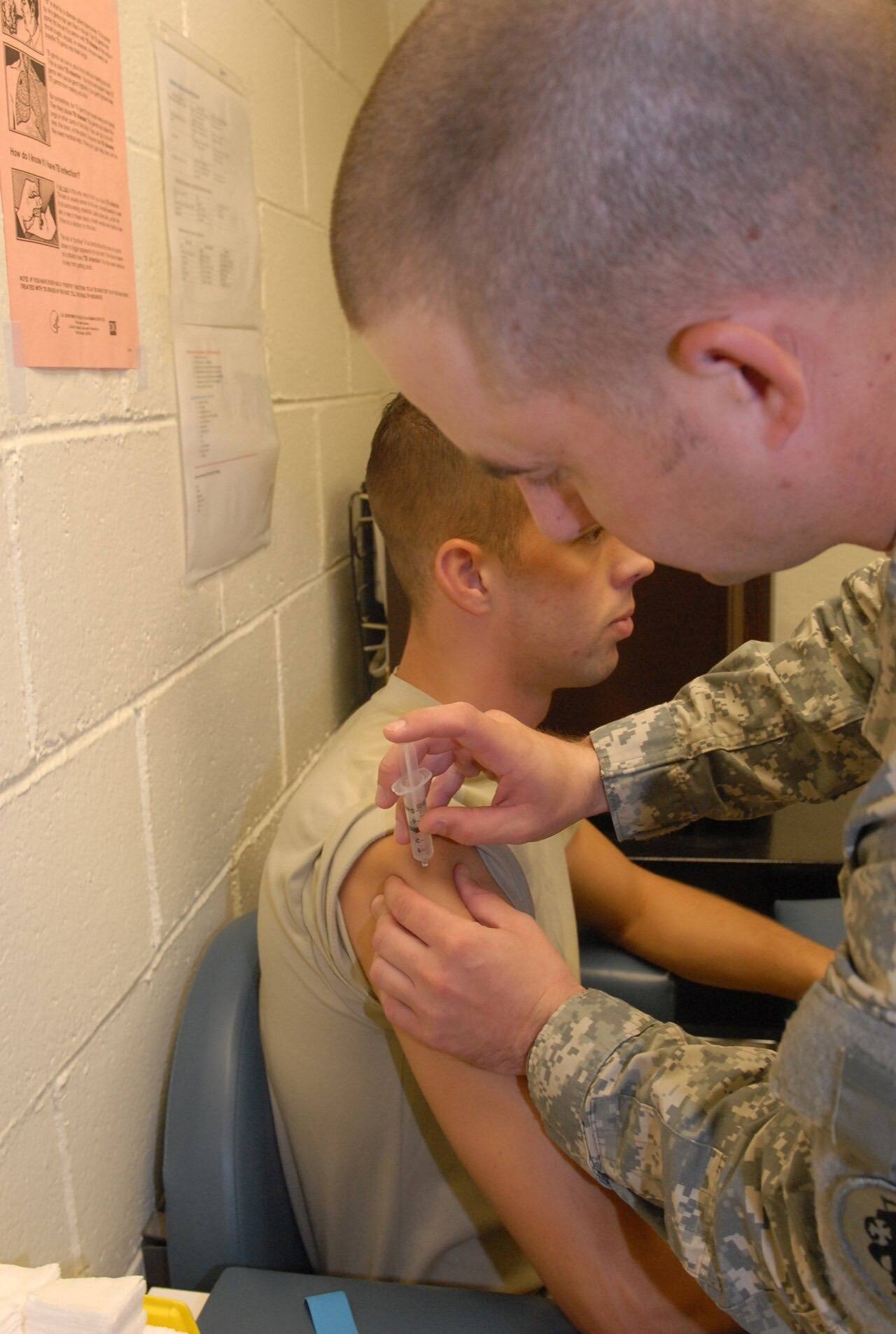
The Left and Right: A Failure to Act
Both sides of the political spectrum have fallen short in their responses to air quality issues. The left often champions environmental regulations but frequently fails to offer realistic solutions that address the economic implications of such measures. Their calls for stricter emissions standards and heightened regulatory scrutiny can sometimes overlook the needs of industries that drive local economies.
On the other hand, the right tends to prioritize economic growth over environmental concerns, often dismissing air quality issues as a hindrance to business. This approach can lead to a dangerous disregard for public health in favor of short-term economic gains. The battle between these two extremes has resulted in a stalemate that leaves the public vulnerable and uninformed about the dangers lurking in the air they breathe.
"The persistent danger of air pollution remains largely unaddressed, a quiet failure of oversight that puts lives at risk."
Health Consequences of Poor Air Quality
Health experts warn that prolonged exposure to poor air quality can lead to serious health issues, including respiratory diseases, cardiovascular problems, and even premature death. The toll of air pollution is particularly heavy in urban areas, where asthma rates among children are alarmingly high. Despite the clear health risks, the response from both policymakers and the media has often been lackluster, too easily distracted by other pressing issues.
Moreover, the reliance on outdated metrics to gauge air quality has contributed to a public perception that the problem is being managed effectively. While air quality monitoring systems have improved, there are still significant gaps in data collection and dissemination, leaving many communities in the dark about their air quality status until a crisis arises.
What Can Be Done?
Addressing air quality issues requires a multi-faceted approach that transcends partisan politics. It is essential to promote policies that balance environmental protection with economic growth. This means investing in cleaner technologies and infrastructure, providing incentives for industries to reduce emissions, and ensuring that communities are informed and involved in air quality management.
Furthermore, public awareness campaigns are crucial. Citizens must be educated about the health risks associated with poor air quality and empowered to advocate for cleaner air in their communities. Local governments should prioritize transparency and communication regarding air quality alerts, making it easier for residents to understand the implications for their health.
A Call for Action
As we move into a new year, it is time for both political parties to stop using air quality as a pawn in their ideological battles. The health of our communities should not be a bargaining chip. It is imperative that we come together to address this silent threat, ensuring that air quality is not just a headline that fades with the news cycle but a priority that remains at the forefront of our national consciousness.
The Road Ahead
In conclusion, as we face the reality of air quality alerts this winter, let us not allow them to become mere footnotes in the news. We must demand accountability from our leaders, fostering a culture of proactive change that prioritizes the health of our citizens over economic convenience. Only then can we hope to breathe easier in the years to come.
✦ ✦ ✦