From the file. Written for the paper dated November 2002. Opened in the public stacks July 14, 2026.
As scientists continue to monitor volcanic activity around the globe, the need for a balanced perspective on the implications of these geological phenomena has never been more pressing.
Volcanic Activity: The Current Landscape
In recent weeks, several volcanoes have shown signs of increased activity, particularly in the Pacific Ring of Fire. Mount St. Helens has been a focal point, as has the more distant Mount Merapi in Indonesia. As we track these developments, it is crucial to sift through the noise and focus on what these eruptions mean for both local populations and the global environment.
On one hand, there are those who sensationalize volcanic activity, framing each rumble and plume as an impending disaster. The media often feeds into this narrative, invoking images of ash-filled skies and catastrophic eruptions. This approach can incite unnecessary panic among communities that may not be directly affected, creating a climate of fear rather than one of informed preparedness.
"A volcano can be a powerful natural force, but understanding it requires a measured approach."
Conversely, an opposing view emerges from certain circles that downplay the risks associated with volcanic activity. Some argue that with advancements in geological science, including enhanced monitoring techniques, the threat of eruptions has been exaggerated. This perspective can lead to complacency, resulting in a lack of necessary precautions for those living in the shadow of these geological giants.
The Middle Ground: A Call for Balance
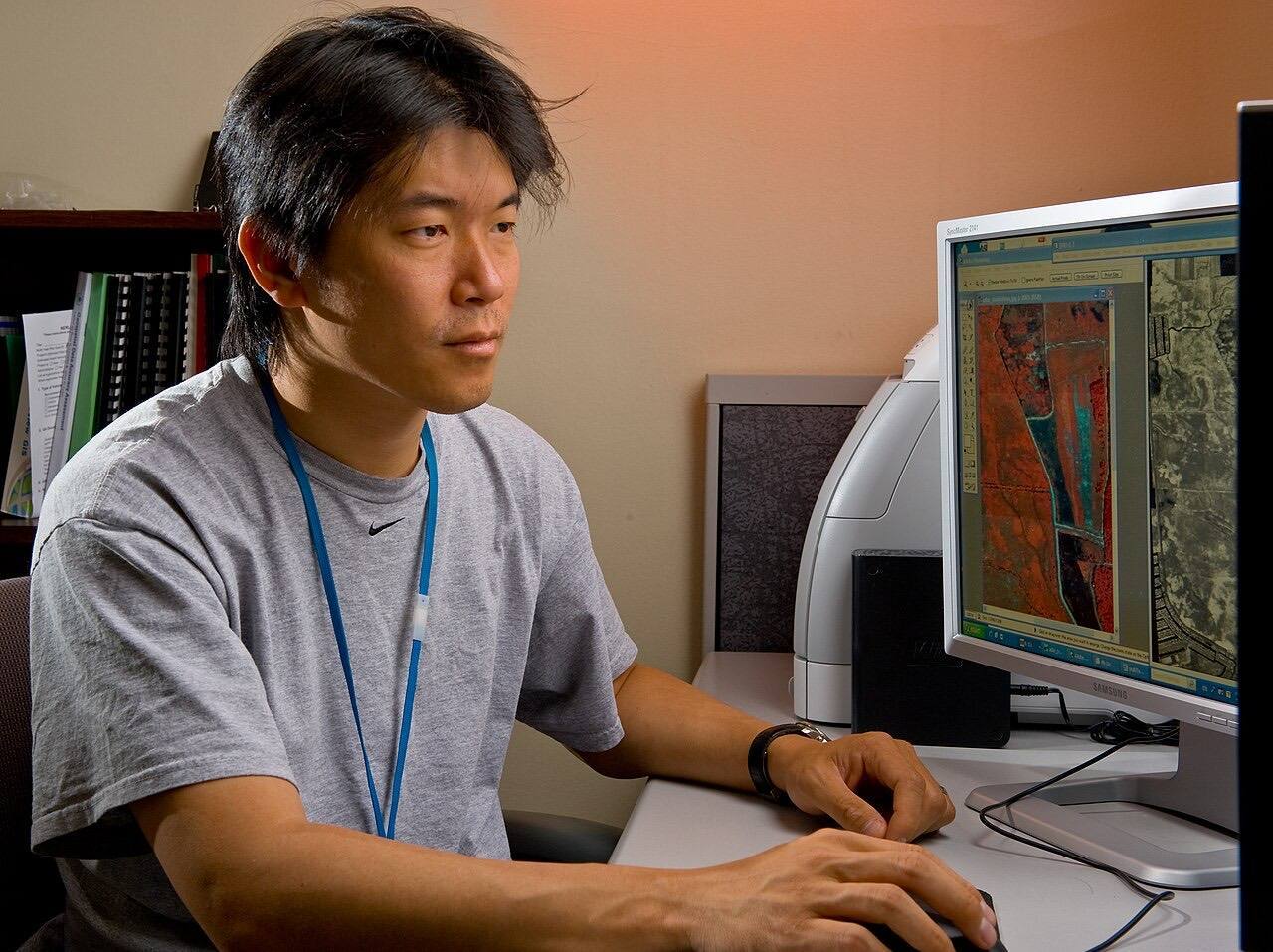
Finding a middle ground in this discourse is essential. The reality is that while many volcanoes may exhibit activity, not all of them pose an immediate threat to human life. Scientists have made substantial progress in predicting eruptions through methods such as seismology, gas emissions analysis, and satellite imagery. However, the unpredictability of nature remains a constant. It is critical for both scientists and the media to communicate these nuances effectively.
As we continue to monitor these developments, it is important to remember that the science behind volcanology is complex. Each eruption is influenced by a multitude of factors, including geological formations, tectonic movements, and even climate conditions. The interplay of these elements can lead to vastly different outcomes, making it imperative for the public to remain informed yet calm.
The Role of Public Awareness
Public awareness campaigns can play a pivotal role in ensuring that communities are prepared for potential volcanic activity. Educational initiatives can help residents understand the risks and the science behind them, fostering a culture of preparedness rather than fear. When citizens are equipped with knowledge, they can respond more effectively in the event of an eruption.
Moreover, engaging local communities in the monitoring process can enhance resilience. Citizen science projects that involve locals in data collection not only empower individuals but also foster a sense of agency in facing natural disasters. This approach can bridge the gap between scientific expertise and public experience, ensuring that information flows both ways.
Conclusion: Embracing Complexity
In conclusion, as we stand vigilant in the face of volcanic activity, it is vital to embrace the complexity of the situation. Both the alarmist and the dismissive perspectives have their pitfalls. A nuanced approach that acknowledges the unpredictability of nature while promoting preparedness is essential. By fostering informed discussions and public awareness, we can navigate the challenges posed by these powerful natural phenomena with greater confidence.
✦ ✦ ✦