From the file. Written for the paper dated November 2002. Opened in the public stacks July 14, 2026.
As the nation grapples with the implications of the latest disaster declaration, a middle reading reveals an alarming trend in political responses that seem to reflect both the excesses of the left and right. This week, the focus has been on the balance between immediate humanitarian needs and the long-term implications of government intervention.
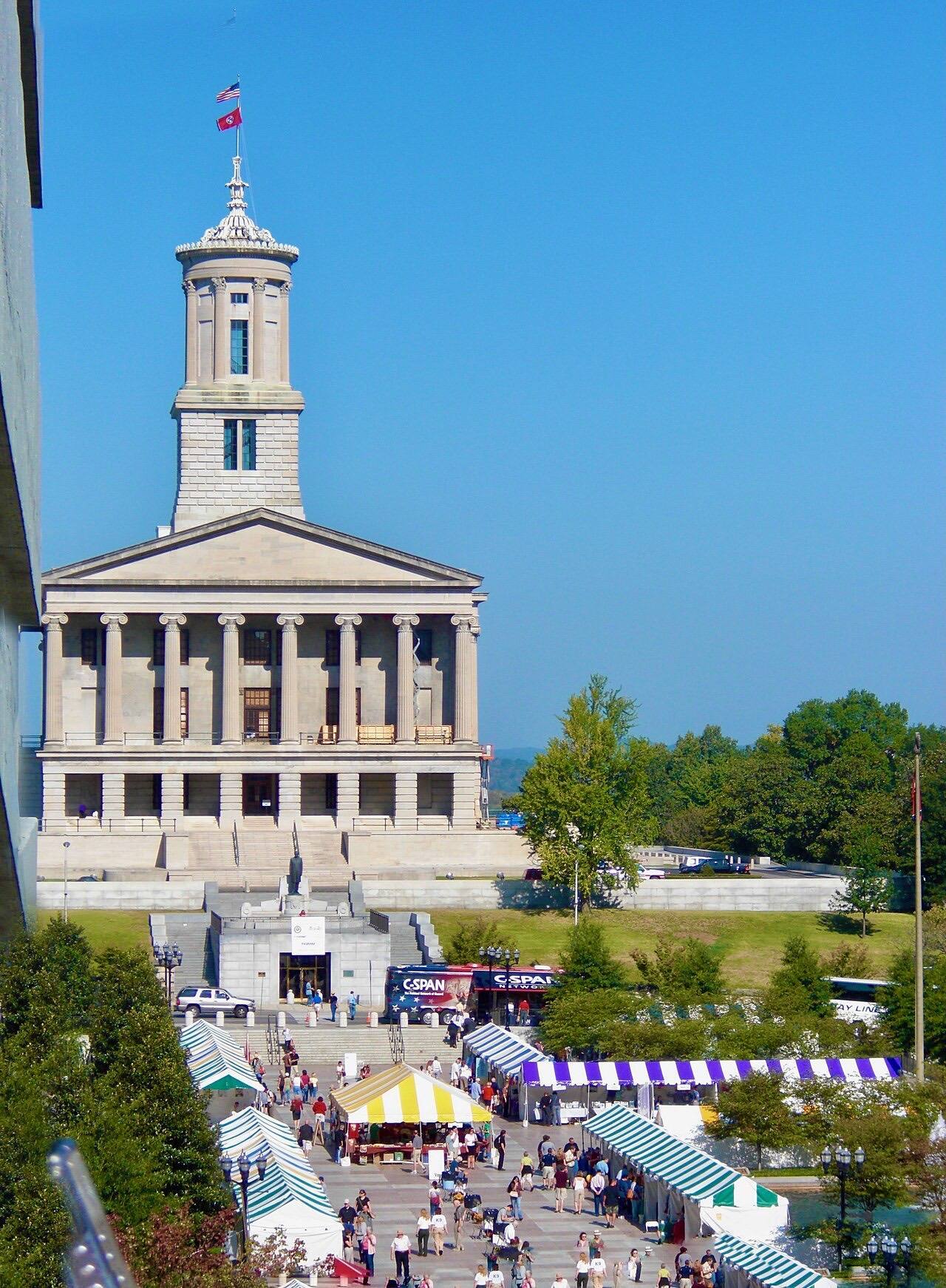
Disaster Declaration: A Necessary Response?
The recent disaster declaration in response to severe weather events has sparked a heated debate across the political spectrum. For many, the declaration is a crucial lifeline for communities in need, bringing much-needed resources and federal assistance. However, the fervor surrounding such declarations often leads to a flurry of rhetoric that obscures the pragmatic considerations necessary for effective governance.
On the left, there is a tendency to view disaster declarations as an opportunity to push for broader social reforms. Advocates argue that in times of crisis, the government ought to step in not only to provide immediate relief but also to address systemic inequalities that exacerbate the impact of such disasters. While the urgency of these concerns is valid, the push for expansive reforms during emergency situations can lead to hasty decisions and poorly crafted policies that do more harm than good.

On the right, the response has often been a knee-jerk reaction that prioritizes fiscal conservatism over urgent humanitarian needs. The mantra of smaller government and reduced spending can lead to significant delays in the allocation of resources to affected areas. Critics on the right may argue that federal funding should be minimized to avoid waste, but this can result in communities suffering when they need support the most. The balance between accountability and urgency is a tightrope that is frequently ignored in the heat of political discourse.
"In times of crisis, the response must be swift and compassionate, not bogged down by political agendas."
Political Rhetoric vs. Practical Solutions
This week's debate illustrates a troubling pattern where political rhetoric often eclipses practical solutions. For instance, some lawmakers have taken to the airwaves to call for sweeping changes in disaster response protocols, emphasizing the need for a comprehensive overhaul of federal disaster management. While these discussions are important, the timing raises concerns about the effectiveness of such proposals when immediate relief is needed.
Moreover, the politicization of disaster response can lead to a lack of trust among the public. People affected by disasters may feel overlooked or neglected when they perceive that their suffering is being used as a political talking point rather than a rallying cry for genuine support. Both sides of the aisle must recognize that the emphasis should be on the people impacted by disasters, not on scoring political points.
A Call for Pragmatism
In the end, there is a pressing need for a more pragmatic approach to disaster declarations and responses. Legislators must prioritize the well-being of affected communities above partisan agendas. This means engaging in meaningful dialogue across party lines to craft solutions that address immediate needs while considering long-term impacts.
Rather than allowing the extremes of political ideology to dictate the terms of disaster relief, it is essential to create a framework that emphasizes collaboration, transparency, and accountability. This could involve establishing clearer guidelines for disaster declarations, ensuring that funds are allocated rapidly and efficiently, and fostering partnerships with local organizations that understand the unique needs of their communities.
Conclusion: The Path Forward
As we continue to navigate the complexities of disaster response, it is crucial for both sides of the political spectrum to seek common ground. The challenges presented by natural disasters require a united front, one that prioritizes the needs of the people over the demands of party politics. By fostering a culture of collaboration and pragmatism, we can ensure that disaster declarations serve their intended purpose: to protect and support our communities in their time of greatest need.
✦ ✦ ✦