From the file. Written for the paper dated October 2002. Opened in the public stacks July 14, 2026.
As the dust settles in the wake of recent military actions, the intricate and often overlooked debate surrounding war powers has resurfaced, revealing fissures in both major political parties.

Introduction
The ongoing conflict in the Middle East has ignited a fervent discussion about the authority of Congress versus the President when it comes to war powers. While the media has been occupied with fiery statements from both sides of the aisle, the procedural aspects of this debate are rarely fully explored. The American public deserves clarity on how decisions regarding military action are made and who ultimately bears the responsibility.
Congressional Authority and Presidential Power
Article I, Section 8 of the U.S. Constitution grants Congress the power to declare war, yet in recent decades, Presidents have increasingly taken the reins, often citing the need for swift action in a world where threats evolve rapidly. This has led to a troubling trend where the essence of checks and balances seems to be eroding. On one hand, we have a President who is eager to act decisively; on the other, a Congress that often finds itself reluctant to take a stand, fearing the political repercussions of opposing military action.
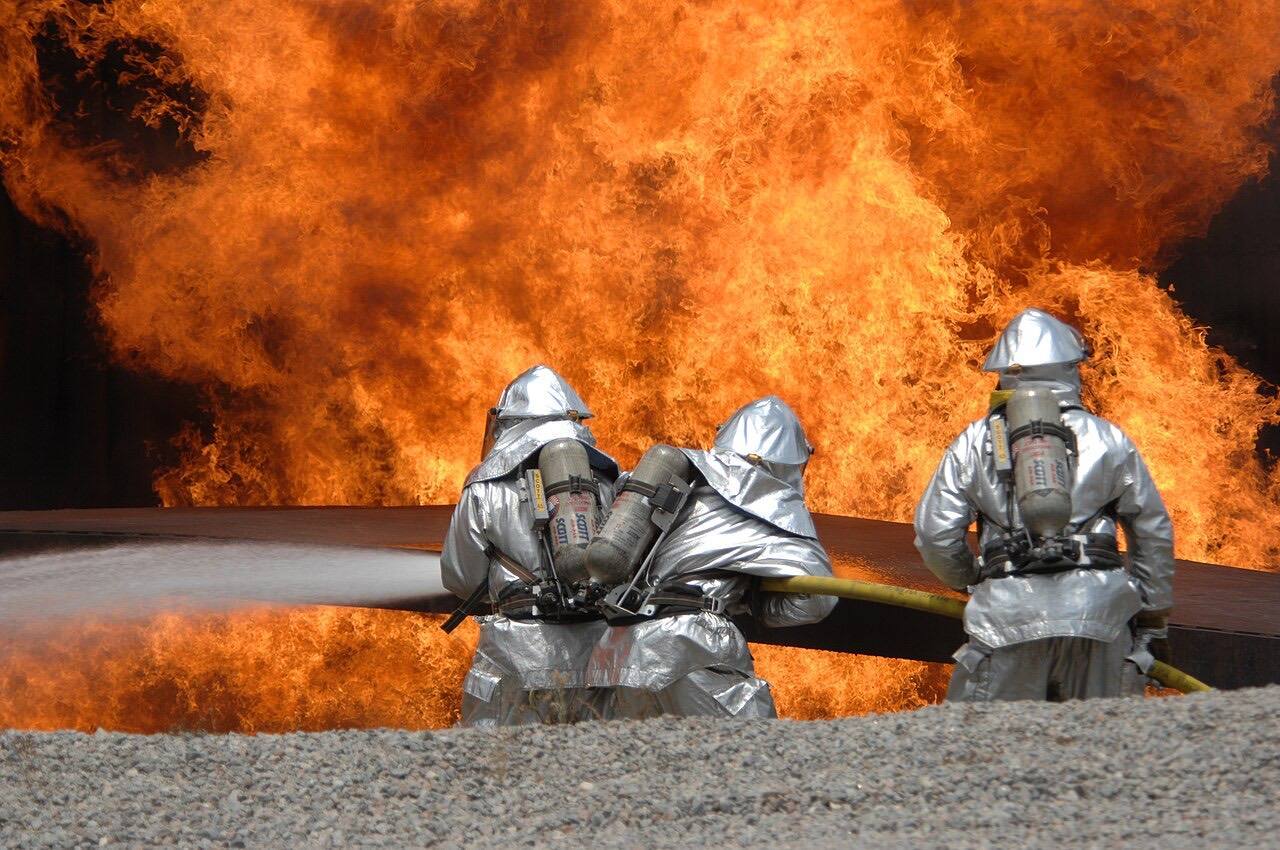
"The essence of checks and balances seems to be eroding."
Partisan Politics at Play
Both parties seem to have adopted a selective approach to the war powers debate. When Republicans hold the presidency, Democratic lawmakers often call for a stricter adherence to constitutional protocols. Conversely, when Democrats are in power, Republicans appear to champion a more expansive executive authority. This hypocrisy not only undermines the integrity of the debate but also confuses the electorate, who are left wondering which party, if any, truly advocates for a balanced approach to war powers.
As the situation in Iraq looms large in public consciousness, we see Democrats rallying for accountability, calling for a return to a system where Congress plays a pivotal role in military decisions. Yet, many are quick to dismiss the same principles when they occupy the executive branch. This back-and-forth underscores a troubling reality: political expediency often trumps constitutional fidelity.
Public Sentiment and the Media's Role
Public opinion can be a fickle friend in matters of war. The initial rallying around the flag often gives way to scrutiny as casualties mount and the objectives of military action become murky. The media, too, plays a critical role in shaping public perception. Yet, coverage often focuses on the immediate drama of the battlefield rather than the intricate constitutional debate. This lack of thorough examination leaves citizens ill-equipped to engage meaningfully in discussions about military action and war powers.
The Need for a Comprehensive Debate
What is needed is a robust discussion about the appropriate balance of power and the implications of unchecked military action. As it stands, both parties seem more interested in scoring political points than in engaging in a meaningful dialogue about war powers. It is imperative that lawmakers consider the long-term consequences of their decisions and the message they send to future administrations. If the current battle over war powers is not adequately addressed, we may find ourselves on a slippery slope toward an increasingly militarized executive branch.
Conclusion
The war powers debate is not merely an academic exercise; it has real-world implications for the lives of servicemen and women, as well as the citizens they are sworn to protect. As we navigate this complex terrain, it is essential that we hold our leaders accountable to the Constitution and demand a more transparent discussion about the authority to wage war. We owe it to ourselves and future generations to ensure that the principles of democracy are upheld, even in times of crisis.
✦ ✦ ✦