From the file. Written for the paper dated September 2002. Opened in the public stacks July 14, 2026.
In a world increasingly dominated by technology, the latest breakthroughs in computer science promise to enhance our capabilities beyond imagination. Yet, as we marvel at the potential of these advancements, we must also confront the often mundane mechanisms that drive them.
Unpacking the Breakthrough
The computer industry is buzzing with excitement over recent achievements, with terms like "quantum computing" and "parallel processing" becoming the talk of the town. These breakthroughs are heralded as the keys to unlocking computational power that could revolutionize industries from medicine to finance. However, the truth behind these innovations lies not in flashy headlines but in the intricate, sometimes tedious, mechanisms that make them possible.
At the core of many of these advancements is the development of more efficient algorithms and improved hardware architectures. While the potential applications are exhilarating, the groundwork being laid often goes unnoticed. Researchers toil in laboratories and data centers, conducting countless trials and experiments that may seem insignificant at first glance. It is within this mundane labor that the seeds of innovation are sown.
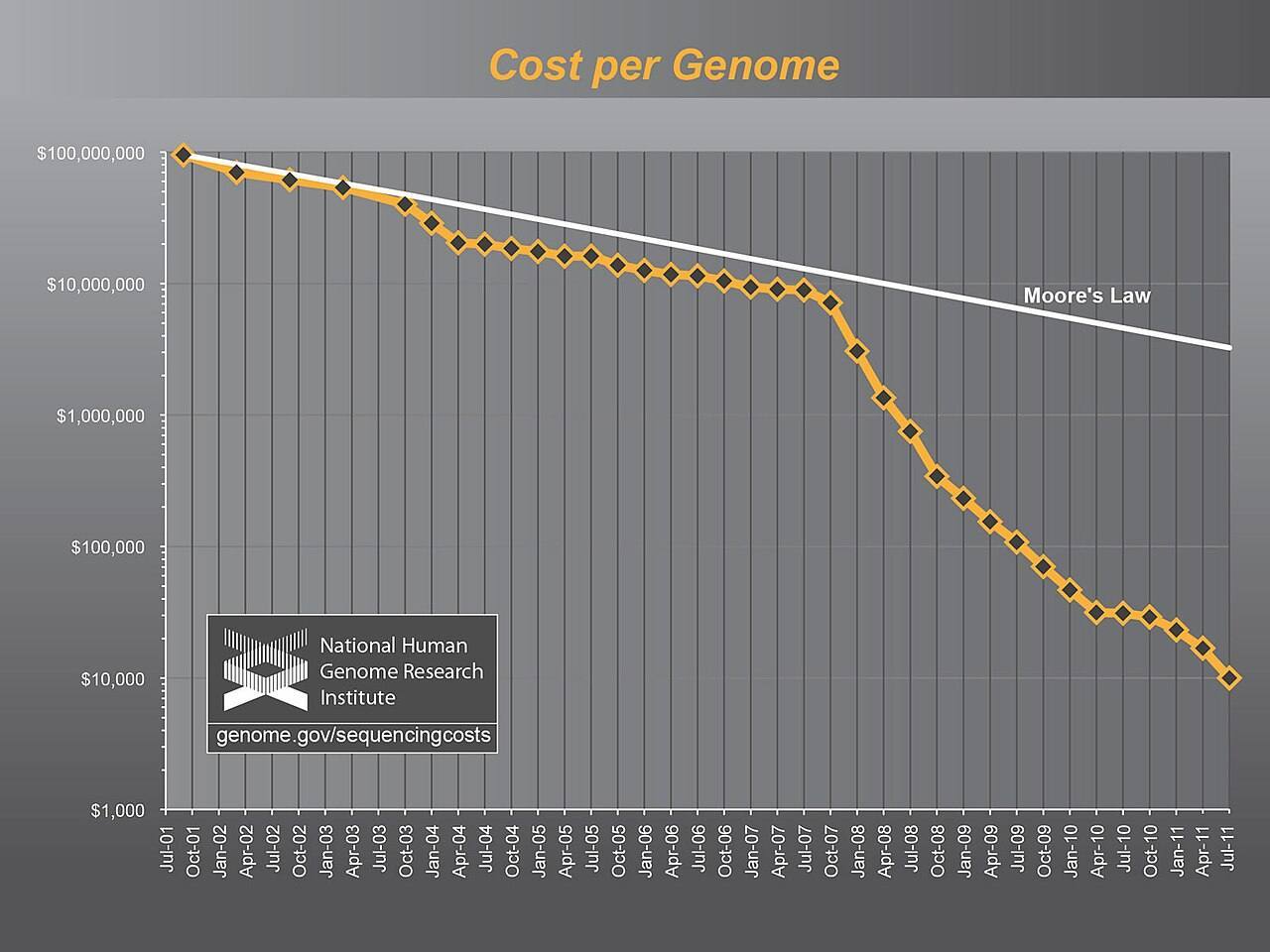
“Exciting breakthroughs often conceal the boring mechanisms that make them possible.”
The Dance of Hardware and Software
One clear example of this relationship can be seen in the ongoing improvements in hardware capabilities. Manufacturers are racing to produce faster processors, but it’s not simply a matter of cranking up the clock speed. Instead, engineers are refining the architecture of chips, creating multi-core processors that can handle multiple tasks simultaneously. This evolution, while critical, is often overshadowed by the more glamorous aspects of technology.
On the software side, the development of better programming languages and frameworks has enabled developers to write more efficient code. This aspect may not generate headlines, but it is fundamental in harnessing the power of new hardware. The synergy between hardware and software exemplifies how the excitement of a breakthrough is often built on layers of hard work and innovation that are anything but thrilling.
Political Ramifications of Technological Progress
The implications of these technological advancements extend beyond the realms of science and industry; they also intersect with the political landscape. As the left and right grapple with the implications of technology on society, both sides often resort to extremes that overlook the nuances of these developments.
On the left, there are calls for increased regulation and oversight of technology companies, driven by concerns over privacy and ethical issues. While these concerns are valid, the push for stringent regulation can stifle innovation and hinder the very advancements that promise to improve our lives. A cautious approach is necessary, but an overreaction can lead to a chilling effect on creativity and progress.
Conversely, the right often champions unregulated technological growth, arguing that the free market will naturally filter out any negative consequences. This perspective, however, can lead to significant oversight failures, allowing for monopolistic behaviors and ethical violations to flourish unchecked. The belief that innovation should be unbridled ignores the potential for exploitation and societal harm that can arise in the absence of accountability.
“Both political extremes risk overlooking the nuances of technological advancements.”
The Road Ahead
As we stand at the threshold of unprecedented technological advancements, our focus must shift from the sensationalism of breakthroughs to the solid groundwork that supports them. Encouraging innovation while also fostering a responsible approach to technology is essential for ensuring that these advancements serve the common good.
The challenge lies in finding a balance between regulation and freedom, between caution and ambition. It is only by recognizing the often-overlooked mechanisms that drive progress that we can fully appreciate the implications of new technologies. Scientists, engineers, and politicians alike must work together to navigate this complex landscape, embracing both the exciting possibilities and the realities of the work that underpins them.
✦ ✦ ✦