From the file. Written for the paper dated August 2002. Opened in the public stacks July 14, 2026.
In the wake of rising tensions and global uncertainties, shipping lanes have become the lifeblood of international commerce, yet the discourse surrounding them is often clouded by political rhetoric and identity-driven narratives.
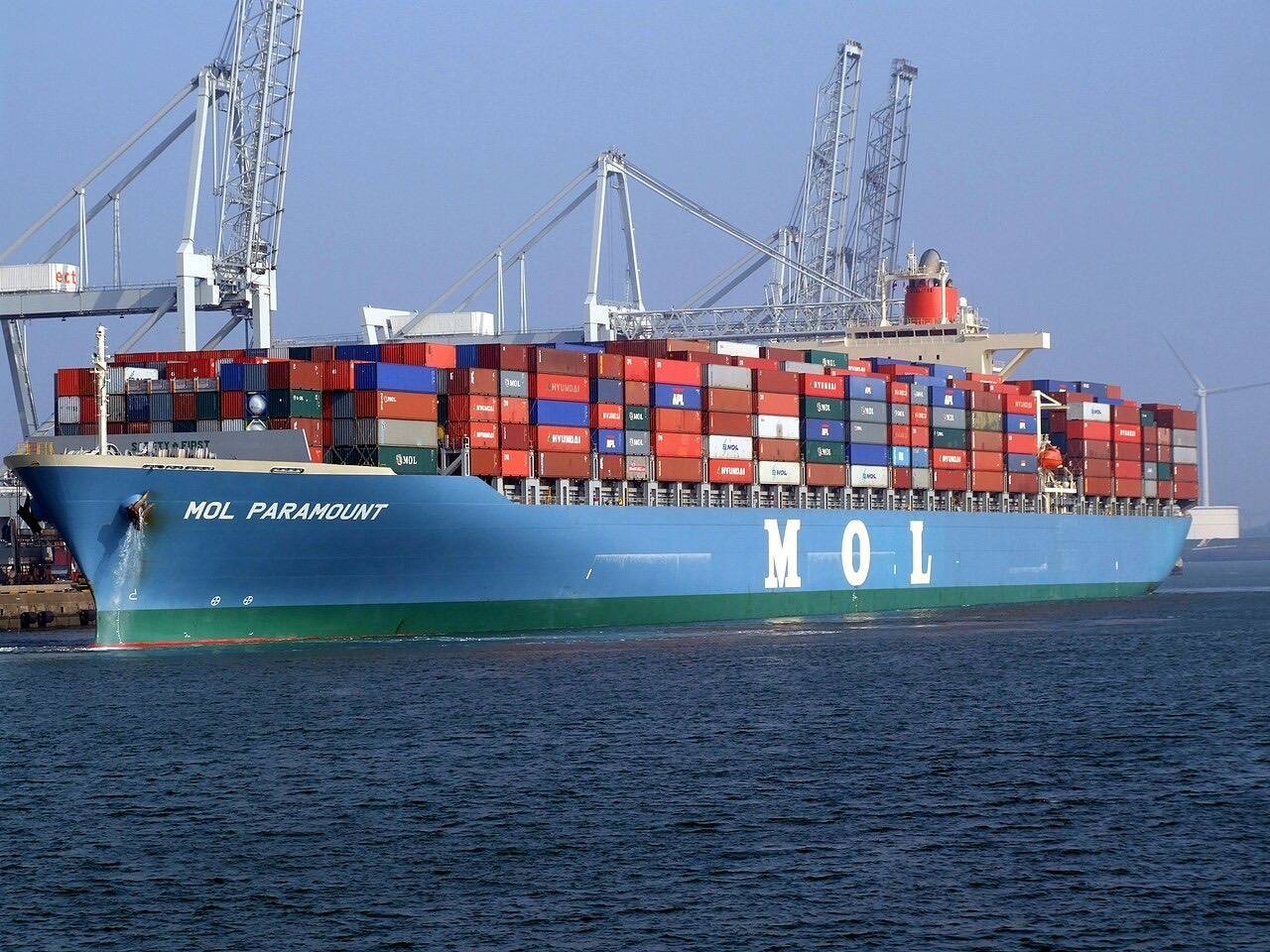
Understanding the Stakes
As we navigate through August 2002, the world is witnessing a confluence of economic and political challenges that make the topic of shipping lanes more relevant than ever. Recent events have heightened the scrutiny on these essential arteries of global trade, yet many discussions focus more on the ideological implications rather than the tangible realities facing the shipping industry.
Shipping lanes are more than mere lines on a map; they represent the intricate web of economic interdependencies that bind nations together. With the shadow of terrorism and geopolitical tensions looming over the globe, an urgent reassessment of these routes is necessary. The drive for security in the wake of September 11 has led to increased scrutiny of cargo, but it is essential that this does not devolve into an overreach that stifles commerce.

The discourse around shipping routes needs to prioritize evidence and practicality over identity politics.
The Left's Approach: Security Overreach
The left's response to the security concerns surrounding shipping lanes has often leaned toward an expansion of government oversight. While ensuring the safety of our ports and cargo is undoubtedly vital, the potential for excessive regulation threatens to suffocate the very commerce it seeks to protect. The push for more stringent inspections and regulations could inadvertently lead to longer delays and increased costs, ultimately harming consumers and businesses alike.
Moreover, there is a tendency among some on the left to frame the conversation around shipping lanes in terms of corporate malfeasance and exploitation. While it is crucial to hold companies accountable, portraying all shipping enterprises as villains in a larger narrative of greed oversimplifies a complex issue. It risks alienating key players who are essential to maintaining the flow of goods that drive our economy.
The Right's Approach: Market Fundamentalism
On the other side of the aisle, many on the right champion an almost laissez-faire attitude toward shipping and commerce, advocating for minimal regulation under the guise of free-market principles. This approach, while appealing to business interests, ignores the growing need for a balanced strategy that includes security considerations. The rhetoric often dismisses the very real threats that could disrupt shipping lanes, opting instead for a narrative that prioritizes profits over prudent safety measures.
Furthermore, the insistence on viewing shipping lanes solely through the lens of market efficiency can lead to neglect of environmental and labor concerns. The shipping industry has significant implications for ecosystems and working conditions, yet these issues seem to take a backseat in discussions dominated by economic triumphalism.
Both sides must recognize that shipping lanes are a shared responsibility, requiring a multifaceted approach.
A Call for Balanced Discourse
The current discourse surrounding shipping lanes is in dire need of balance. Both the left and right have allowed their respective ideologies to cloud the issue, resulting in conversations that often lack substance and nuance. Rather than perpetuating a cycle of blame and oversimplification, it is imperative that we focus on evidence-based solutions that prioritize the integrity of our shipping routes while also safeguarding economic interests.
One potential pathway forward is fostering collaboration between government and industry stakeholders. By engaging in open dialogues that include diverse perspectives, we can develop strategies that address security concerns without compromising the efficiency and reliability of shipping operations. This collaborative approach could lead to innovative practices that enhance security while promoting economic growth.
The Future of Shipping Lanes
As we look ahead, the dynamics of global shipping are likely to evolve in response to ongoing geopolitical developments. The pressure to adapt is palpable, and the ability to maintain secure, efficient shipping lanes will be critical for international trade. In this ever-changing landscape, it is essential that our conversations remain grounded in reality, focusing on the implications of policies rather than the politics of identity.
Ultimately, the fate of shipping lanes is intertwined with the broader narrative of globalization. A failure to address the complexities of this issue could have far-reaching consequences not only for our economy but also for international relations. As we grapple with these challenges, let us strive for a discourse that is informed, thoughtful, and above all, evidence-based.
✦ ✦ ✦