From the file. Written for the paper dated August 2002. Opened in the public stacks July 14, 2026.
In a world where headlines often overshadow the nuances of international relations, the contents of diplomatic cables can reveal an unsettling truth about the state of global diplomacy in August 2002. As we sift through the rhetoric from both sides of the political spectrum, a clearer picture emerges, highlighting the need for evidence-based dialogue over emotionally charged assertions.
Excesses on Both Sides
As the United States navigates a post-9/11 landscape, the polarization of political discourse has reached a fever pitch. The right, emboldened by a sense of national urgency, has taken to framing dissent as unpatriotic. This knee-jerk reaction risks stifling critical voices that could contribute to a more nuanced understanding of our foreign policy. On the other hand, the left seems increasingly inclined to interpret every military action as an imperialistic endeavor, often overlooking legitimate security concerns that warrant a robust response.
The diplomatic cables emerging from this period serve as a reminder that the world is rarely black and white. They present a complex web of interests, alliances, and conflicts that cannot be reduced to mere slogans or sound bites. As both extremes push their agendas, the subtleties of diplomacy are often lost. This is a disservice not only to the public but also to policymakers who rely on accurate intelligence to make informed decisions.
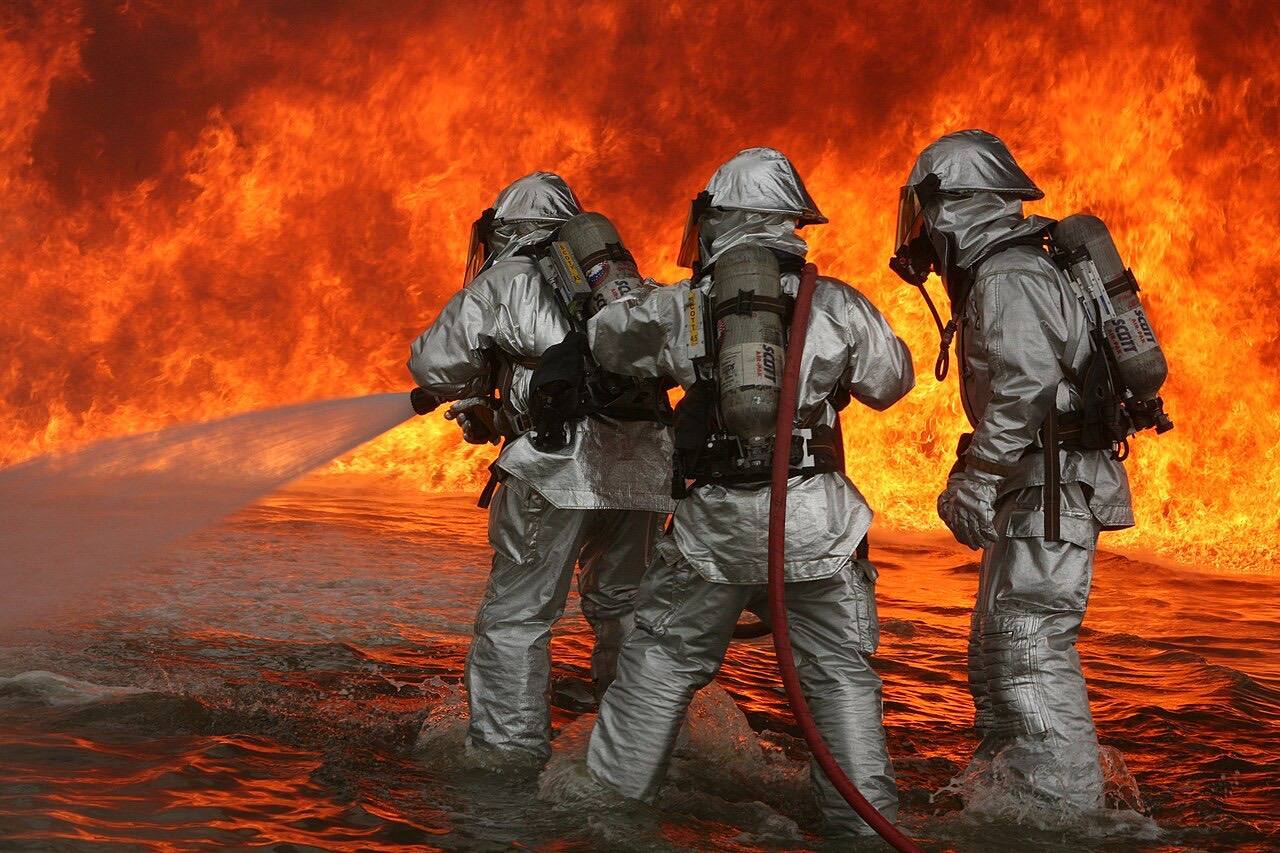
"In this age of sound bites, the quiet truths of diplomacy often go unheard."
Evidence vs. Identity Politics
The current political landscape is rife with identity politics, where affiliation often trumps factual evidence. Diplomatic cables reveal that many issues, such as terrorism and nuclear proliferation, are complex and multifaceted. Yet, rather than engaging with the evidence presented, political factions frequently resort to emotionally charged narratives that cater to their base.
For instance, the reaction to the proposed actions in Iraq has been met with vehement opposition from the left, framing it as a reckless and unfounded endeavor. Conversely, the right has mobilized a narrative of patriotism and duty, often sidestepping legitimate questions surrounding the evidence for such actions. This tug-of-war serves to distract from the need for a thoughtful assessment of the situation.
The Role of Public Discourse
In this climate, public discourse plays a crucial role in shaping the narrative around foreign policy. The media, often acting as the intermediary between the government and the public, has a responsibility to present a balanced view of events. However, sensational headlines frequently eclipse the deeper analyses that are necessary for understanding the implications of diplomatic decisions.
To counter the extremes, the media must strive for accuracy and depth, providing context that transcends the immediate emotional responses to events. This is where the importance of diplomatic cables comes into play; they serve as a critical resource for journalists seeking to unpack the complexities of international relations. Relying on these documents can help to foster a more informed citizenry, which, in turn, can lead to more constructive political discourse.
Finding Common Ground
It is essential for both sides of the political spectrum to recognize that while their concerns may differ, the ultimate goal should be the well-being of the nation and its standing in the world. By shifting the focus from identity politics to evidence-based discussions, we can foster a more constructive environment for debate. This requires a willingness to listen and engage with opposing viewpoints rather than dismissing them outright.
As we continue to grapple with the implications of our foreign policy, let us not forget the importance of the facts. Diplomatic cables are not just bureaucratic documents; they are the lifeblood of informed decision-making. The challenge lies in balancing the urgent demands of security with the equally important need for transparency and accountability in our actions.
Conclusion: The Path Forward
In conclusion, the diplomatic cables filed in August 2002 remind us that our world is complex and that evidence should guide our discussions. The current political climate, marked by excesses on both the left and right, threatens to obscure the vital truths that these cables reveal. It is imperative that we, as a society, commit to fostering a dialogue rooted in facts rather than emotions, ensuring that our foreign policy reflects the best of our values and interests.
✦ ✦ ✦