From the file. Written for the paper dated August 2002. Opened in the public stacks July 14, 2026.
As the dust settles on a tumultuous nomination process, the question remains: will the new cabinet member truly reflect the nation's diverse needs, or merely echo the partisan clamor that has dominated our political landscape?
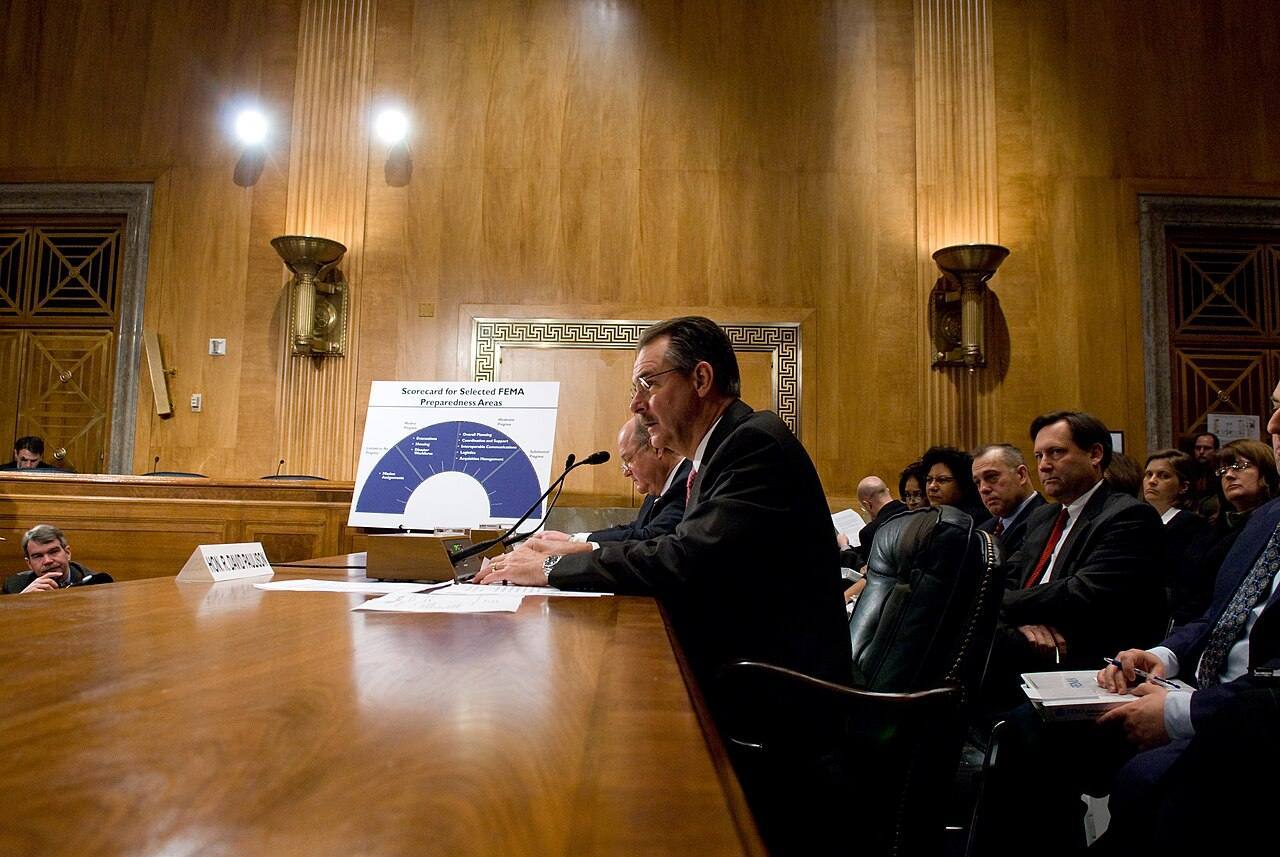
Nominees in the Spotlight
In the political theater of Washington, cabinet nominations often serve as the ultimate battleground for partisan politics. With President Bush's latest nominee coming under intense scrutiny, the nation is left to wonder whether this choice is a testament to the administration's commitment to effective governance or just another pawn in the ongoing game of political chess.
As the nomination process unfolds, both left and right extremes are quick to seize on potential flaws. The left, often heralding the virtues of diversity and inclusion, has been vocal about the perceived lack of representation in the current administration. Critics argue that the nominee, though qualified, may not embody the progressive values that many Americans hold dear. The right, on the other hand, has rallied around the nominee, framing any dissent as an attack on the very fabric of our democratic institutions.

"We must rise above the divisive rhetoric and evaluate these nominees based on their qualifications, not their identities."
Identity vs. Evidence
At the heart of this debate is a fundamental question about the criteria we use to evaluate our leaders. Should identity take precedence over proven experience? The left often champions candidates who represent historically marginalized groups, arguing that their unique perspectives will foster a more inclusive government. While this approach has merit, it risks overshadowing the essential qualifications that are critical for effective leadership.
Conversely, the right's unwavering support for nominees based solely on their loyalty to party ideology raises concerns about the potential for groupthink and a lack of innovation. In a time when the nation faces complex challenges - from terrorism to economic instability - merit should be the primary consideration, not necessarily party alignment or identity politics.
The Role of Media in Shaping Perception
The media plays a pivotal role in framing these nominations and shaping public perception. With 24-hour news cycles and an insatiable appetite for sensationalism, how candidates are portrayed can heavily influence public support. When a nominee is presented as a political lightning rod, the media often amplifies the extremes, allowing for little room for nuanced discussion.
In this environment, the responsibility falls on the electorate to demand a more comprehensive analysis of nominees. Are they equipped to handle the challenges of their roles? Do they have a track record of effective leadership? These questions should guide our evaluation, rather than mere identity or partisan loyalty.
Moving Beyond Partisan Battles
As the confirmation hearings approach, we must push for a more substantive dialogue around the nominee's qualifications. Politicians on both sides of the aisle need to resist the temptation to resort to partisan posturing. Instead, they should focus on the pressing issues facing the nation and how the nominee's experience can contribute to resolving them.
Moreover, constituents must hold their representatives accountable. Engaging in informed discussions about cabinet nominations is vital in a democracy. We cannot afford to allow our political discourse to be reduced to sound bites and slogans. The stakes are too high for that.
The Path Forward
Ultimately, the goal should be to foster a cabinet that not only reflects the diversity of our nation but also prioritizes competence and effectiveness. As we navigate this complex political landscape, let us remember that the best leaders are those who can bridge divides and unite us in pursuit of the common good.
In the coming weeks, as confirmation hearings unfold, it is crucial for the American public to engage with these discussions thoughtfully. The future of our government and the efficacy with which it serves its citizens depend on our collective ability to rise above partisan excesses and focus on what truly matters: the qualifications and capabilities of those we choose to lead us.
✦ ✦ ✦