From the file. Written for the paper dated July 2002. Opened in the public stacks July 14, 2026.
As the 2002 midterm elections approach, the debate over campaign finance has reached a fever pitch, with both sides of the political spectrum hurling accusations and claims that often fail to align with the reality of the situation.
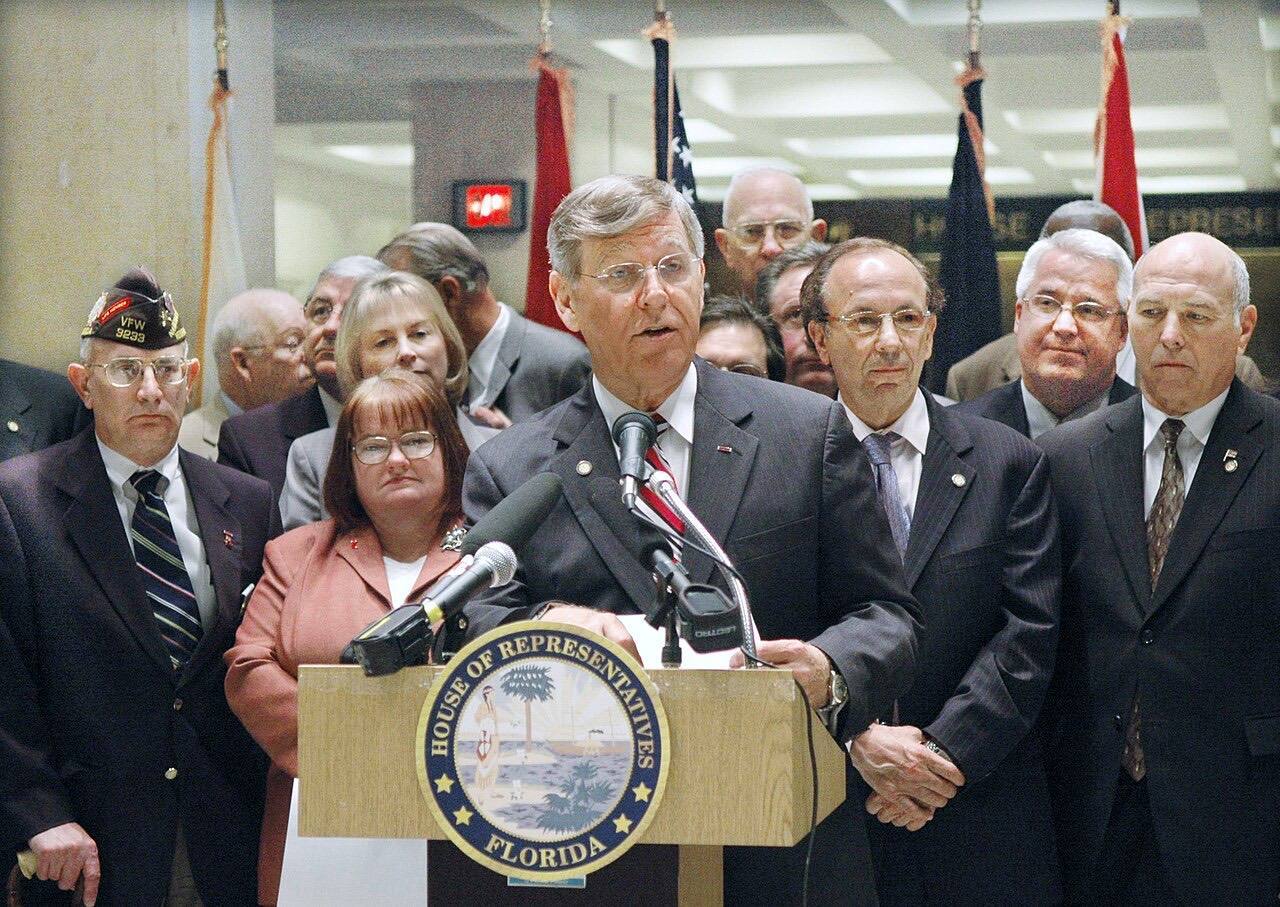
Campaign Finance: A Bipartisan Concern
Campaign finance reform has been a hot-button issue for decades, with advocates arguing that the current system allows for undue influence from wealthy donors and special interest groups. Yet, as the debate intensifies, it seems both Democrats and Republicans are guilty of grandstanding while failing to address the systemic issues at the core of campaign financing.
On one hand, Democrats have often portrayed themselves as champions of the common man, decrying the influence of corporate money in politics. However, the party has also benefited from substantial contributions from unions and wealthy donors who seek to promote their own agendas. This hypocrisy raises questions about their sincerity in advocating for genuine reform. When the Democratic National Committee recently announced its fundraising totals, they proudly boasted of their haul from progressive donors, but glossed over the fact that many of those contributors have interests directly tied to the political landscape.

Meanwhile, Republicans have taken a different approach. They frequently emphasize individual contributions and the rights of citizens to support their preferred candidates. Yet, it is hard to ignore the rampant corporate influence that has become a hallmark of Republican campaigns. The GOP's alignment with big business and its reluctance to pass meaningful reforms suggest a troubling willingness to accept corporate cash, all while preaching about the virtues of limited government and individual freedom.
Both parties are guilty of playing a dangerous game, where the rhetoric of reform often masks a troubling reality.
The Reality of Fundraising
As we dissect the current state of campaign finance, it is crucial to recognize the stark contrast between public claims and the record. Both parties have resorted to increasingly sophisticated fundraising techniques that rely heavily on the very entities they claim to oppose. For instance, while Democrats have been vocal about limiting soft money contributions, recent reports indicate that many local and state candidates are still relying on these funds to mount competitive campaigns.
Moreover, the recent Supreme Court rulings have only exacerbated the issue, allowing for greater latitude in how much money can flow into campaigns. This legal landscape has created an environment where both parties are incentivized to chase after dollars, often at the expense of the principles they claim to uphold.
The Public's Perception
Public sentiment regarding campaign finance is understandably mixed. A significant portion of the electorate is disillusioned with the entire political process, feeling that their voices are drowned out by the cacophony of money that floods campaigns. Polls suggest that many Americans believe that the system is rigged in favor of those with deep pockets, and yet the majority of voters remain apathetic, unsure of how to effect change.
This disconnect between the electorate and their representatives is further widened by the tactics employed by both parties. Negative campaigning has become the norm, with candidates often opting to attack their opponents rather than focus on substantive policy issues. This strategy relies heavily on funding, allowing those with more resources to dominate the airwaves and drown out less-funded candidates who may have innovative ideas but lack the financial backing to promote them effectively.
Looking Ahead: A Call for Genuine Reform
As the midterms draw closer, the urgency for meaningful campaign finance reform cannot be overstated. Both parties must confront their own complicity in the system that they purport to criticize. If they fail to do so, the likelihood of genuine reform diminishes, leaving the American electorate to grapple with a political landscape dominated by money rather than ideas.
In the face of this ongoing challenge, grassroots movements advocating for transparency and accountability are gaining momentum. These initiatives, often driven by concerned citizens and community organizations, aim to reclaim the political process from the clutches of wealthy donors and corporate interests. However, the question remains: will the political elite take notice and heed the call for reform, or will they continue to prioritize fundraising over the needs of their constituents?
✦ ✦ ✦