From the file. Written for the paper dated June 2002. Opened in the public stacks July 14, 2026.
As the headlines fade and the public's attention shifts, the institutions behind weather forecasting often retreat into a cocoon of complex models and technical jargon. But are these systems truly serving their purpose, or are they merely protecting themselves from scrutiny?
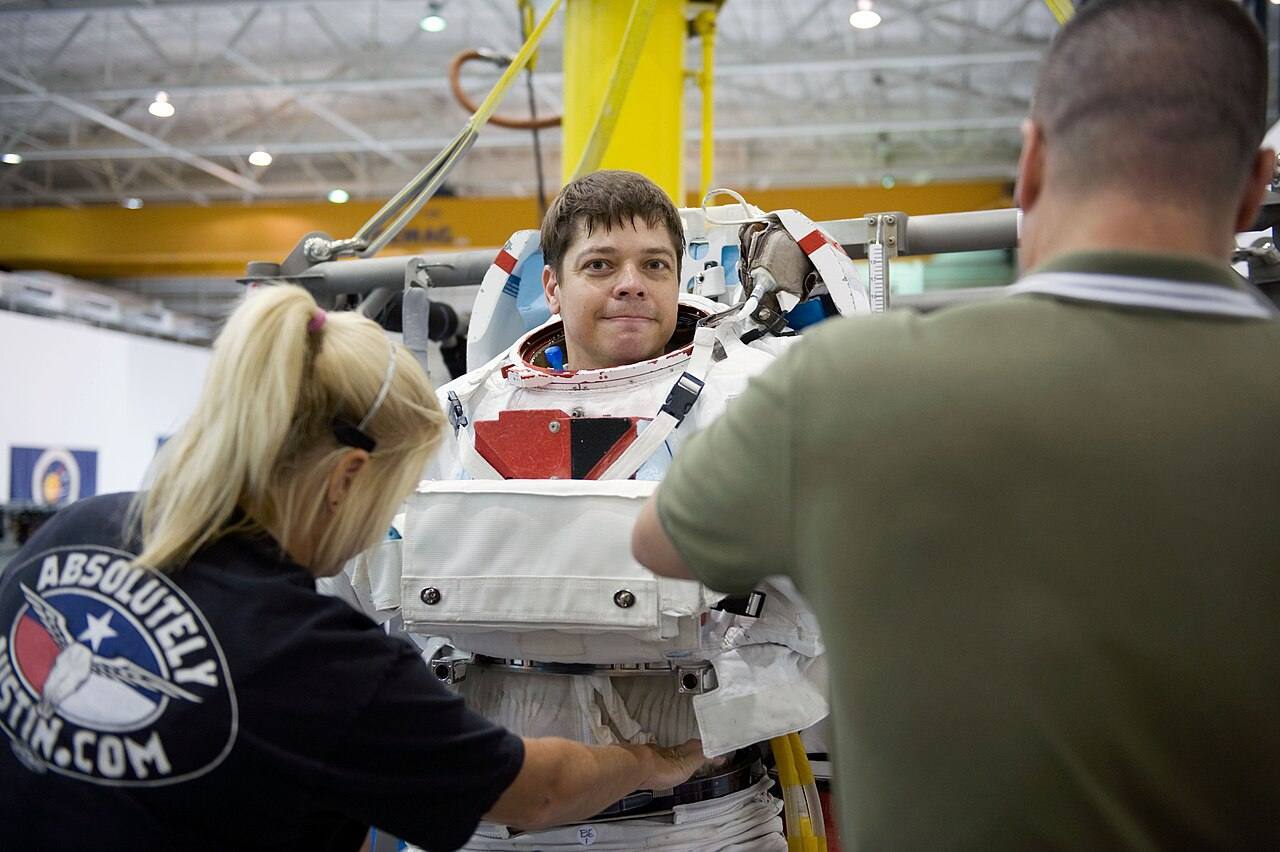
The Model Behind the Forecast
The science of meteorology has advanced significantly over the past few decades. With the advent of sophisticated weather models, forecasters can predict not just the day-to-day fluctuations of weather patterns but also long-term phenomena like El Niño and La Niña. These models rely on vast amounts of data gathered from satellites, ground stations, and even ocean buoys. Yet, despite this wealth of information, the accuracy of weather predictions still faces criticism.
“The weather model is only as good as the data it uses, and we must ask ourselves, are we getting the most reliable data possible?”
Critics argue that while the science is sound, the institutions that oversee weather forecasting often prioritize their reputations over transparency. When forecasts go awry, the blame is frequently deflected onto the inherent unpredictability of weather rather than the shortcomings of the models themselves. This creates a cycle where institutions are insulated from accountability.
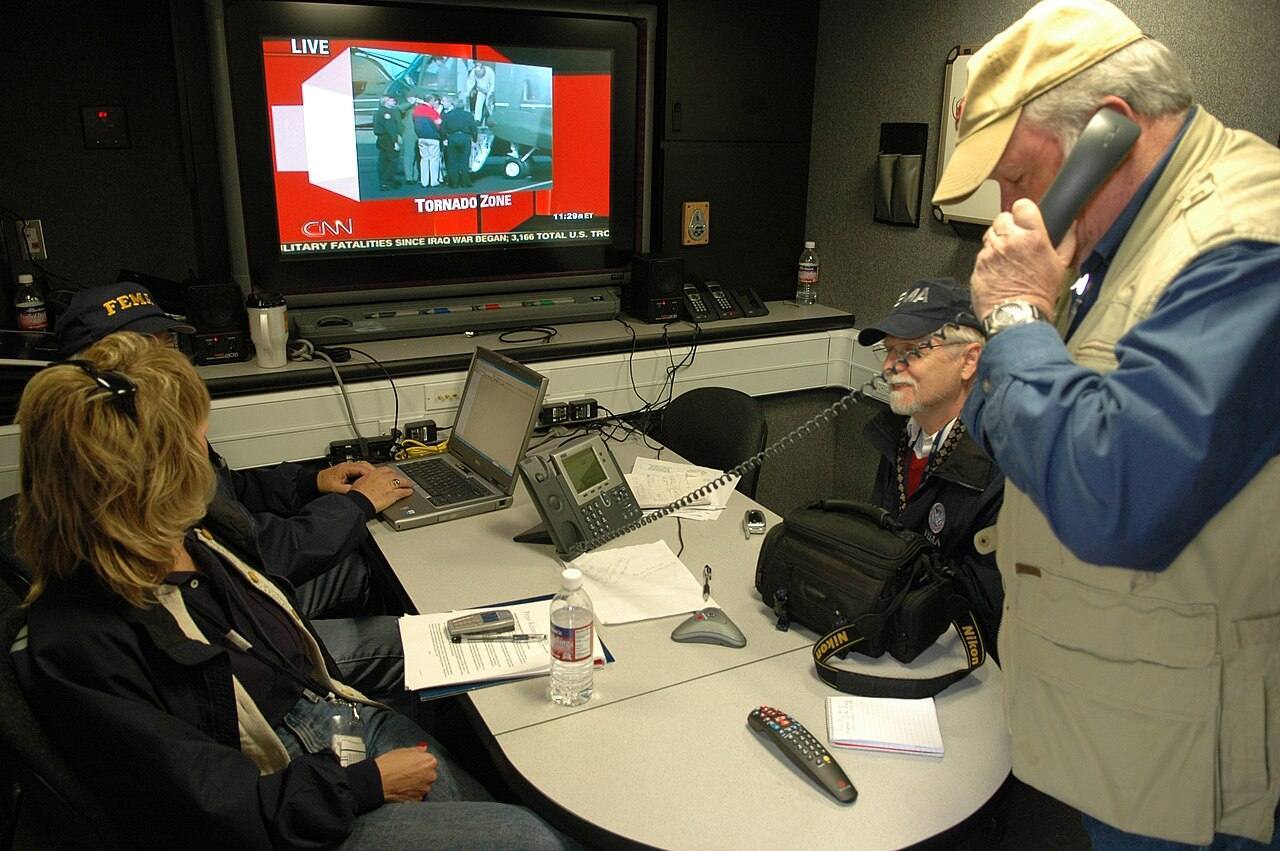
Institutional Insulation
The National Oceanic and Atmospheric Administration (NOAA) and its various branches have been pivotal in weather prediction. However, their institutional frameworks can sometimes lead to a defensive posture. When a major storm fails to materialize as predicted, the focus tends to shift towards explaining the complexity of weather systems rather than addressing the model's limitations. This approach serves to protect the institution from criticism but does little to enhance public trust.
Left and Right Excesses
In the current political climate, the left and right both exhibit tendencies that can hinder effective discourse on weather and climate issues. On one hand, progressive commentators often emphasize the catastrophic consequences of climate change, sometimes overstating immediate threats to galvanize action. While urgency is warranted, the hyperbolic language can alienate moderate voices and detract from genuine conversations about preparedness and adaptation.
Conversely, some conservative factions dismiss climate change altogether, favoring ideological purity over scientific consensus. This refusal to engage with the data hampers any meaningful dialogue and creates an environment where scientific institutions are viewed with skepticism. Both extremes contribute to a fragmented understanding of weather phenomena, where the truth is often lost in the noise of political rhetoric.
Communication Breakdowns
Effective communication is crucial in weather forecasting. When institutions fail to engage the public meaningfully, they risk deepening the divide between scientific communities and the general populace. Simple, clear explanations of models and predictions can foster better understanding and trust. Yet, the tendency to speak in technical language creates barriers, leaving many confused and frustrated.
“When the public feels alienated from scientific discourse, the effectiveness of weather forecasting diminishes.”
As forecasters grapple with the intricacies of their models, they must also consider how they convey this information. The challenge lies in balancing scientific rigor with accessibility. Failure to do so can lead to missed opportunities for education and preparedness, especially in the face of severe weather events.
Looking Ahead
As we move forward, the relationship between weather forecasting institutions and the public must evolve. Transparency and accountability should be at the forefront of this evolution. Institutions must be willing to acknowledge their limitations and engage in open dialogue about the uncertainties inherent in weather prediction.
Furthermore, as climate change continues to alter weather patterns, the need for robust and adaptable forecasting becomes even more pressing. It is incumbent upon both the institutions and the public to foster a culture of cooperation, where information is shared freely and honestly, and where science is utilized as a tool for understanding rather than a weapon for division.
✦ ✦ ✦