From the file. Written for the paper dated June 2002. Opened in the public stacks July 14, 2026.
As the dust settles from the headlines of public health crises, the reality of the institutions that serve the underserved comes into focus. Public clinics, often in the eye of the storm, have begun to fortify themselves against criticism, funding cuts, and a fluctuating public perception.

Resilience Amidst Uncertainty
Public clinics have long been the backbone of healthcare for low-income communities, offering a range of services from basic check-ups to preventative care. With the recent spotlight on health disparities, these institutions now find themselves navigating a complex landscape. The concern is not just about the quality of care delivered but also how these facilities manage their public image and operational sustainability.
In the wake of recent media scrutiny, some public clinics are adopting stricter protocols and redefining their mission statements. They are keenly aware that any misstep could lead to diminished funding and public trust. This heightened sensitivity may lead to a culture of self-preservation, where the focus shifts from patient-centered care to institutional survival.
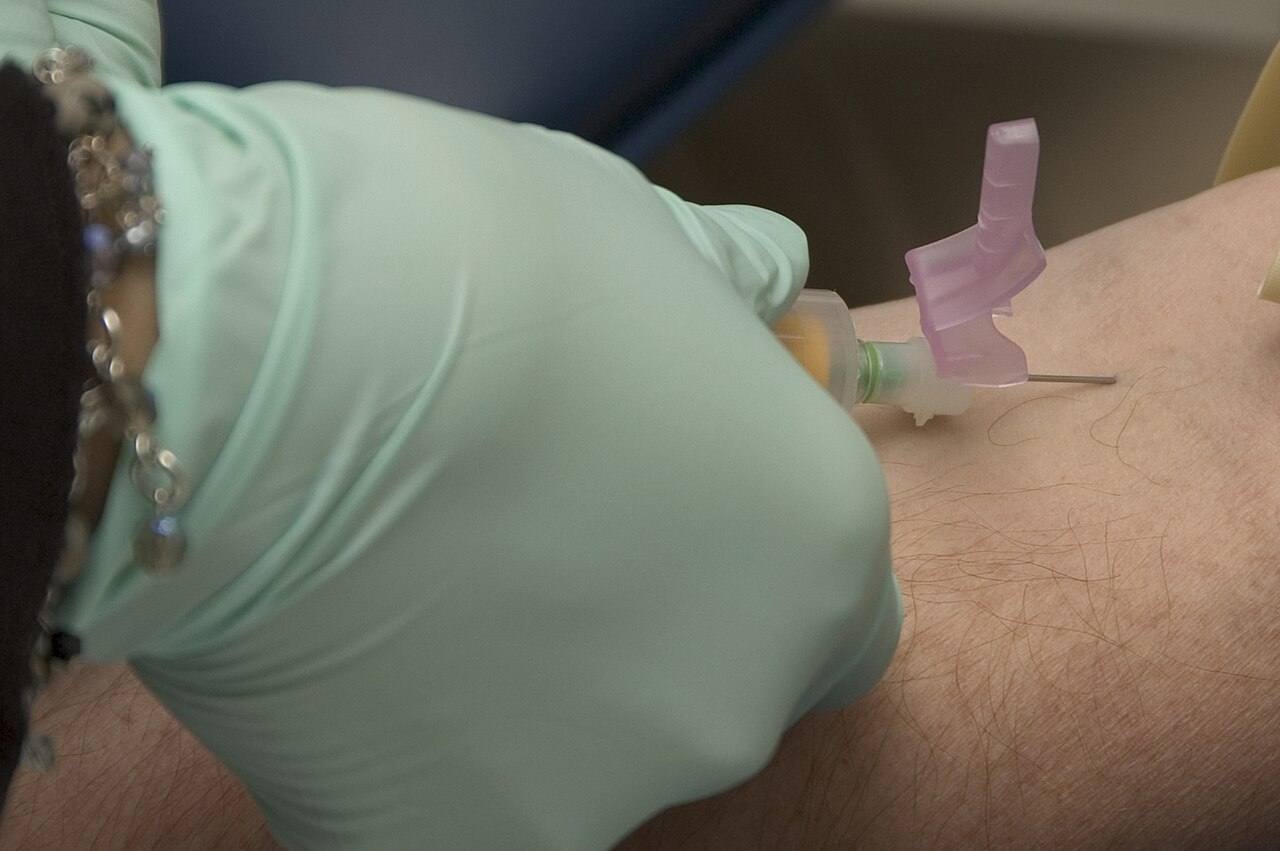
"Public clinics must adapt or risk becoming obsolete as funding sources dwindle and public scrutiny intensifies."
Left and Right: The Battle Lines Drawn
The political landscape surrounding public health is charged with tension, as both left and right factions vie for control over healthcare narratives. On one hand, progressive advocates argue for increased funding and resources to ensure equitable access to care. They champion the role of public clinics, highlighting their importance in communities that otherwise lack sufficient healthcare options.
Conversely, conservative voices often call for accountability and efficiency, critiquing what they perceive as wasteful spending in public health programs. This ideological clash can create an environment where public clinics must constantly defend their existence and justify their budgets. The emphasis on fiscal responsibility can lead to cutbacks in services, leaving vulnerable populations without necessary care.
The Response from Clinics
In response to these pressures, many public clinics are increasing their outreach efforts and improving community engagement. By establishing partnerships with local organizations and involving community members in decision-making processes, clinics can build trust and foster a sense of ownership among the populations they serve.
However, this can be a double-edged sword. While increased engagement is essential, there is a risk that clinics may become overly focused on public relations at the expense of actual healthcare delivery. The challenge lies in finding a balance between maintaining a positive public image and providing comprehensive medical services to those in need.
"Building trust with the community is vital, but not at the cost of the quality of care provided."
Funding Fears
The fear of funding cuts looms large over public clinics. Many rely heavily on government grants and reimbursements from Medicaid and Medicare. As debates in Congress over healthcare spending continue, clinics are left in a precarious position, unsure of what the future holds.
Some clinics have begun to diversify their funding sources, exploring private donations and grants from philanthropic organizations. While this can provide a temporary lifeline, it is not a sustainable solution. The reliance on fluctuating private funds may compromise the very mission of public clinics, pushing them to cater to donor interests rather than community needs.
Looking Ahead
As we move further into 2002, the challenges facing public clinics will only become more pronounced if a consensus on healthcare reform remains elusive. The need for a comprehensive strategy that addresses both funding and quality of care is paramount.
In the meantime, public clinics must continue to adapt, not just to survive, but to thrive in a landscape marked by ideological battles and financial uncertainty. Their ability to provide essential care hinges not only on their operational strategies but also on the public's understanding of their value.
The Call for Change
Ultimately, the future of public clinics lies in a collective understanding and effort from both sides of the political aisle. The left must recognize the necessity of accountability in public spending, while the right must acknowledge the importance of investing in health equity.
We must advocate for a healthcare system that prioritizes the needs of the most vulnerable among us, ensuring that public clinics can continue to provide vital services without being stifled by bureaucratic constraints or political posturing.
✦ ✦ ✦