From the file. Written for the paper dated June 2002. Opened in the public stacks July 14, 2026.
In the wake of high-profile laboratory accidents and scandals, the question of lab safety has surged to the forefront of public consciousness. Yet as the headlines fade, institutions often prioritize self-protection over genuine safety reforms, raising concerns about the true state of laboratory environments.
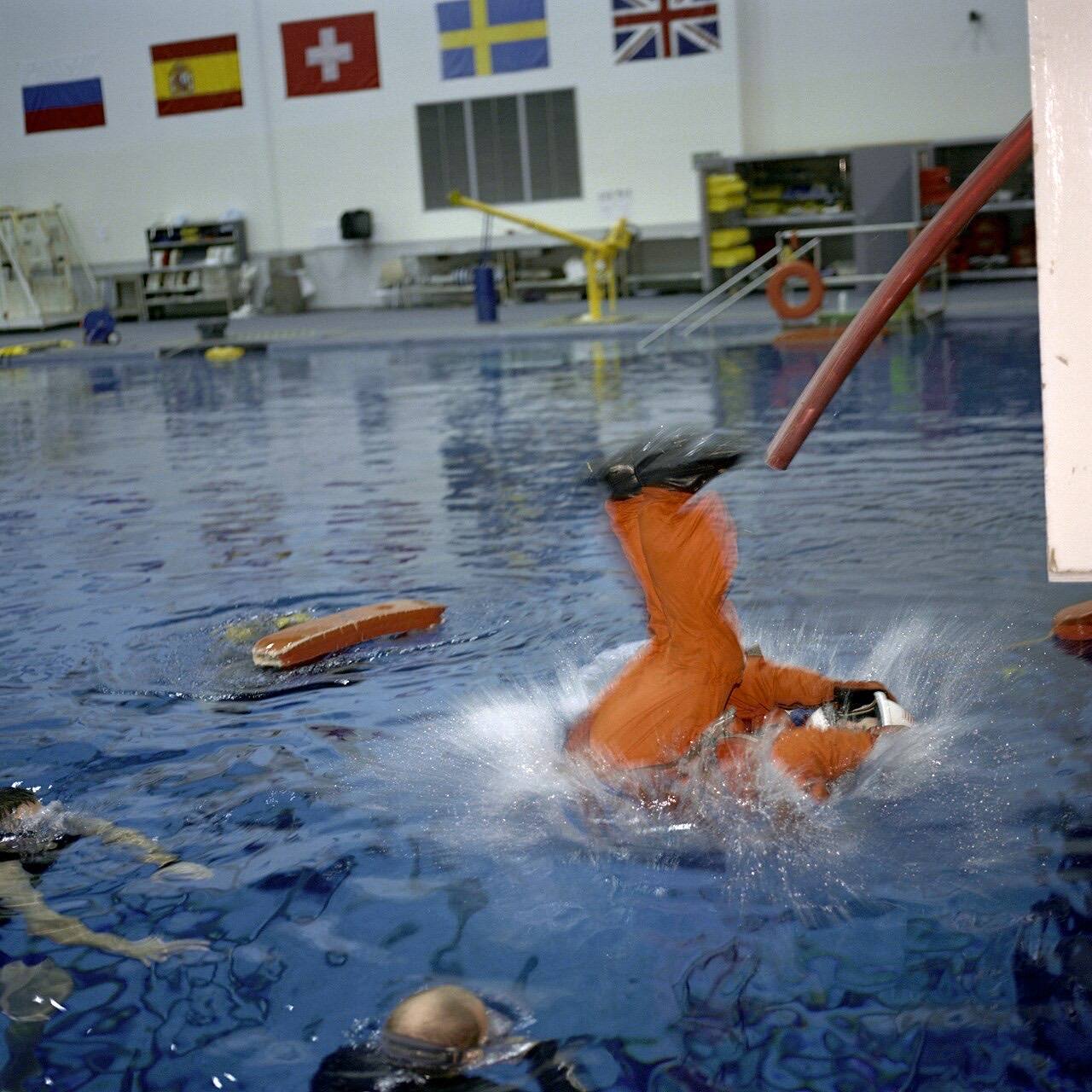
The Increased Scrutiny of Laboratory Practices
Over the past few years, various incidents have brought lab safety into the spotlight. From the contamination of research samples to mishaps involving hazardous materials, the public has become increasingly aware of the potential dangers lurking inside laboratories. In response, universities and research institutions are adopting new measures - some of which seem more designed to safeguard their reputations than to enhance actual safety protocols.
In a climate where accountability is mandated, it is apparent that many institutions are quick to implement policies that appear effective but lack depth. A standard response has been to increase the paperwork required for conducting experiments, mandating extensive approval processes for research that may involve hazardous materials. While this may create an illusion of oversight, it often results in researchers being bogged down by bureaucracy rather than focusing on safety itself.
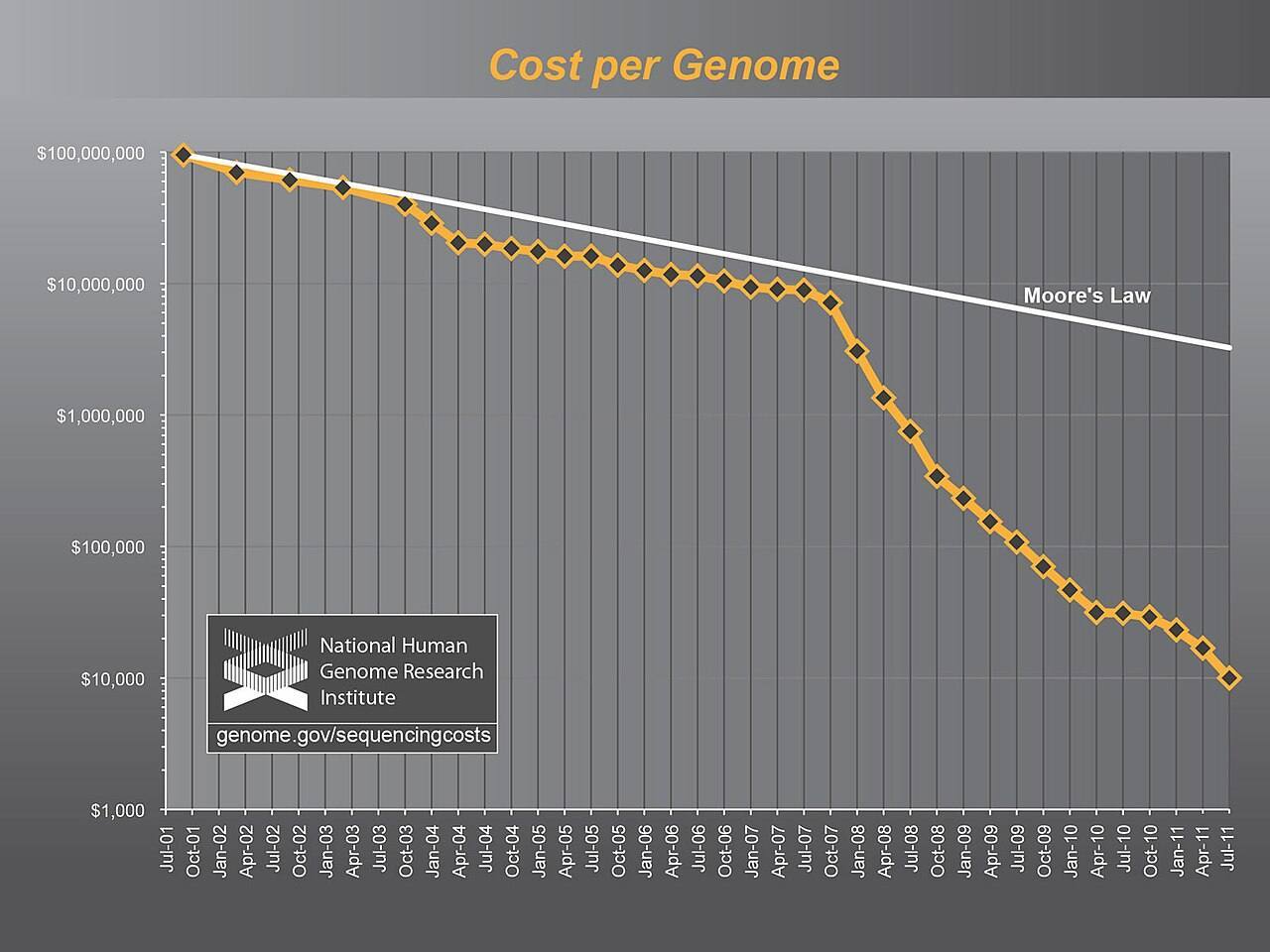
Self-Protection Versus Genuine Safety
The distinction between performing safety for show and implementing real safety measures is critical. Numerous institutions have adopted policies that require more extensive training sessions, yet these sessions can sometimes devolve into mere checkbox exercises. Participants often leave these sessions with a sense of completion but without a true understanding of safe practices in the lab environment.
"Safety measures that exist only on paper do little to protect those who work in laboratories every day."
Furthermore, many administrators are more concerned about liability than they are about creating a culture of safety. This can lead to an environment where researchers feel pressured to avoid reporting accidents or near-misses due to fear of repercussions. This silence can mask underlying issues and prevent the necessary changes that would create a safer work environment.
Insurance and Accountability
Insurance companies also play a significant role in shaping lab safety. Institutions may alter their safety policies primarily to appease insurers, aiming to reduce premiums rather than genuinely enhance safety protocols. As a result, these policies may not address the root causes of safety failures and reflect a more reactive than proactive approach to lab safety.
In many cases, institutions are more focused on the financial implications of an accident than on preventing accidents themselves. This can lead to a cycle of superficial compliance rather than the cultivation of a culture that prioritizes safety at all levels of research.
The Role of Researchers
It is essential to recognize that researchers themselves often bear the brunt of these policies. With a heavy emphasis on compliance and liability, many researchers may feel disillusioned and unmotivated to advocate for meaningful safety practices. Researchers must navigate a landscape where they are pressured to produce results while also adhering to a growing list of safety regulations that may not translate into real-world safety.
In response, some researchers are taking it upon themselves to form safety committees and advocacy groups within their institutions. These groups aim to promote genuine safety culture, emphasizing not only compliance but also shared responsibility for safety among all lab personnel. However, without institutional support and alignment, these grassroots efforts can struggle to gain traction.
Looking Ahead
As the debate around lab safety continues, it is crucial for institutions to recognize the importance of creating a culture that prioritizes genuine safety over mere compliance. This requires a commitment to transparency, open communication, and continuous improvement. Only then can we hope to foster an environment where safety is paramount, not just a box to check.
✦ ✦ ✦