From the file. Written for the paper dated May 2002. Opened in the public stacks July 14, 2026.
Populism, with its promise to champion the common man, often skirts the line between earnest advocacy and grandiose overclaim. As we navigate the political landscape of May 2002, it is imperative to examine how both sides of the aisle are guilty of such excesses.

The Allure of Populism
Populism thrives on the discontent of the masses. The rhetoric appeals to those who feel disenfranchised by the political elite, promising that their voices will be heard. However, when populists overreach, they jeopardize the very foundations of democratic discourse. This tendency is evident in both the left and the right, where leaders exploit public sentiment for political gain.
The Left’s Overreach
On the left, populist figures have often promised sweeping reforms that would seemingly rectify decades of inequality. Yet, the grandiosity of these claims can lead to unrealistic expectations. For example, calls for universal healthcare and tuition-free education sound noble but can be financially reckless without a sustainable plan. The left's vision can be so expansive that it leaves little room for practical implementation, ultimately resulting in disillusionment among supporters when promises fall short.
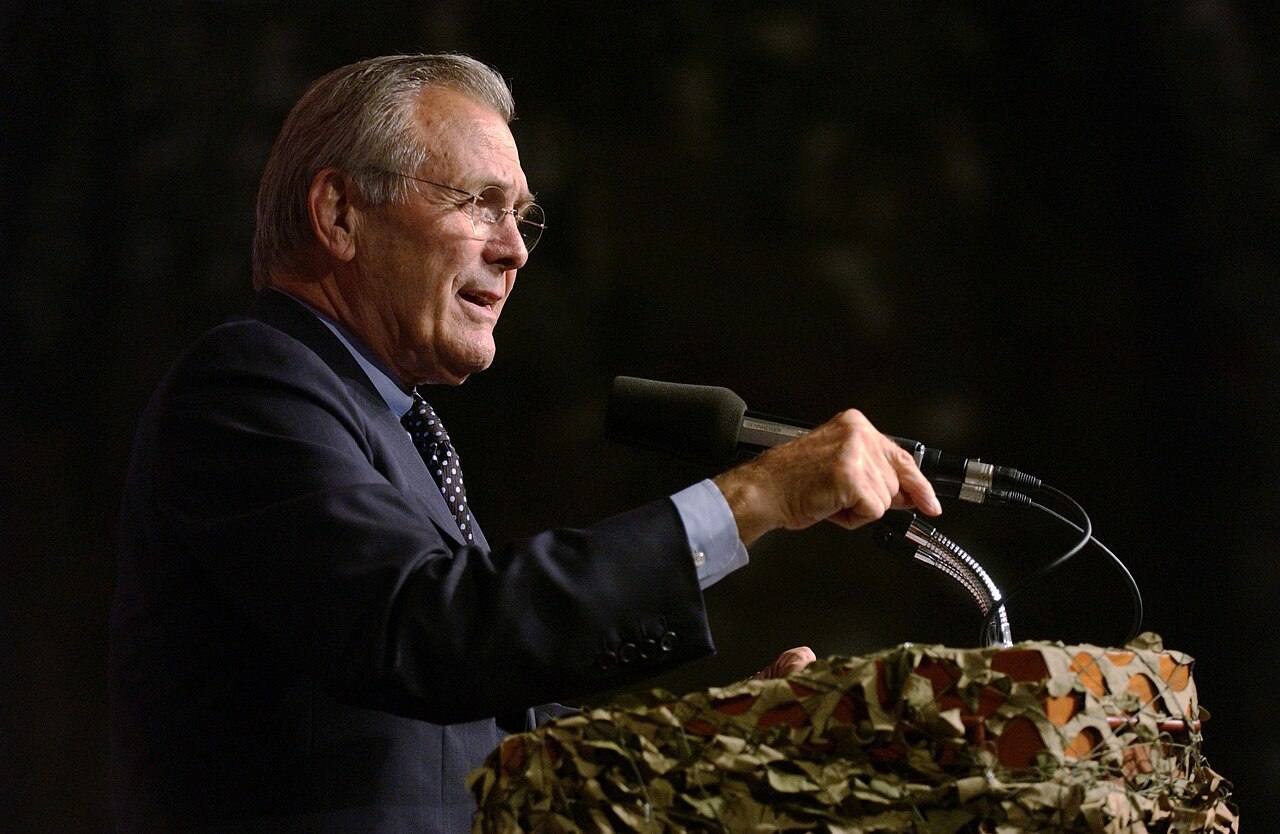
“When the promises become too grand, the reality can be a bitter pill to swallow.”
The Right’s Populist Rhetoric
Conversely, the right has its own brand of populism, often characterized by a fierce nationalism and a tendency to scapegoat minorities for society's ills. This approach has mobilized a significant voter base by appealing to fear and resentment. Yet, the overclaim comes when these leaders suggest that all societal problems can be solved through strict immigration policies or tax cuts, ignoring the complex issues at play. Such rhetoric not only simplifies serious matters but also breeds division and hostility.
Incentives for Overclaiming
Both sides are incentivized to overclaim for different reasons. For the left, the desire to appear as champions of social justice drives them to promise sweeping changes that may not be feasible. The urgency of addressing inequality often leads to proposals that lack careful consideration of their economic implications. Meanwhile, for the right, the incentive lies in galvanizing the base through emotionally charged language that positions them as defenders of traditional values. This approach may rally support but risks alienating those who seek a more nuanced discussion on pressing issues.
A Call for Moderation
In a polarized climate, moderation seems a rarity. Politicians must resist the temptation to overclaim and instead focus on pragmatic solutions that acknowledge the complexities of governance. The electorate deserves leaders who prioritize honesty and realism over grandstanding and empty promises. It is essential that both sides recognize that populism's strength lies in its ability to connect with the average citizen, not in its capacity to inflate expectations.
Conclusion: Bridging the Divide
In the end, it is crucial for both sides to engage in honest dialogue that values practical solutions over divisive rhetoric. Populism should not be a tool for manipulation but a means to empower citizens by addressing their real concerns. By tempering aspirations with realism, politicians can foster a healthier political environment that prioritizes the common good over the allure of populist overreach.
✦ ✦ ✦