From the file. Written for the paper dated May 2002. Opened in the public stacks July 14, 2026.
As the U.S. economy grapples with uncertainty in the wake of the September 11 attacks and ongoing global tensions, consumer confidence emerges as a critical barometer for economic recovery. The political landscape is rife with competing narratives, as both the left and right attempt to shape public perception and policy direction in ways that reflect their respective ideologies.

Understanding Consumer Confidence
Consumer confidence, often measured through surveys, serves as an indicator of how optimistic or pessimistic consumers feel about the economy's current and future state. A confident consumer is more likely to spend, which in turn stimulates economic growth. Conversely, a lack of confidence can lead to decreased spending and a sluggish economy.
Recent reports indicate that consumer confidence has dipped, causing concern among analysts and policymakers alike. While some cite the lingering impacts of the recession and geopolitical tensions, others point to the need for effective government intervention to restore faith in the economy.
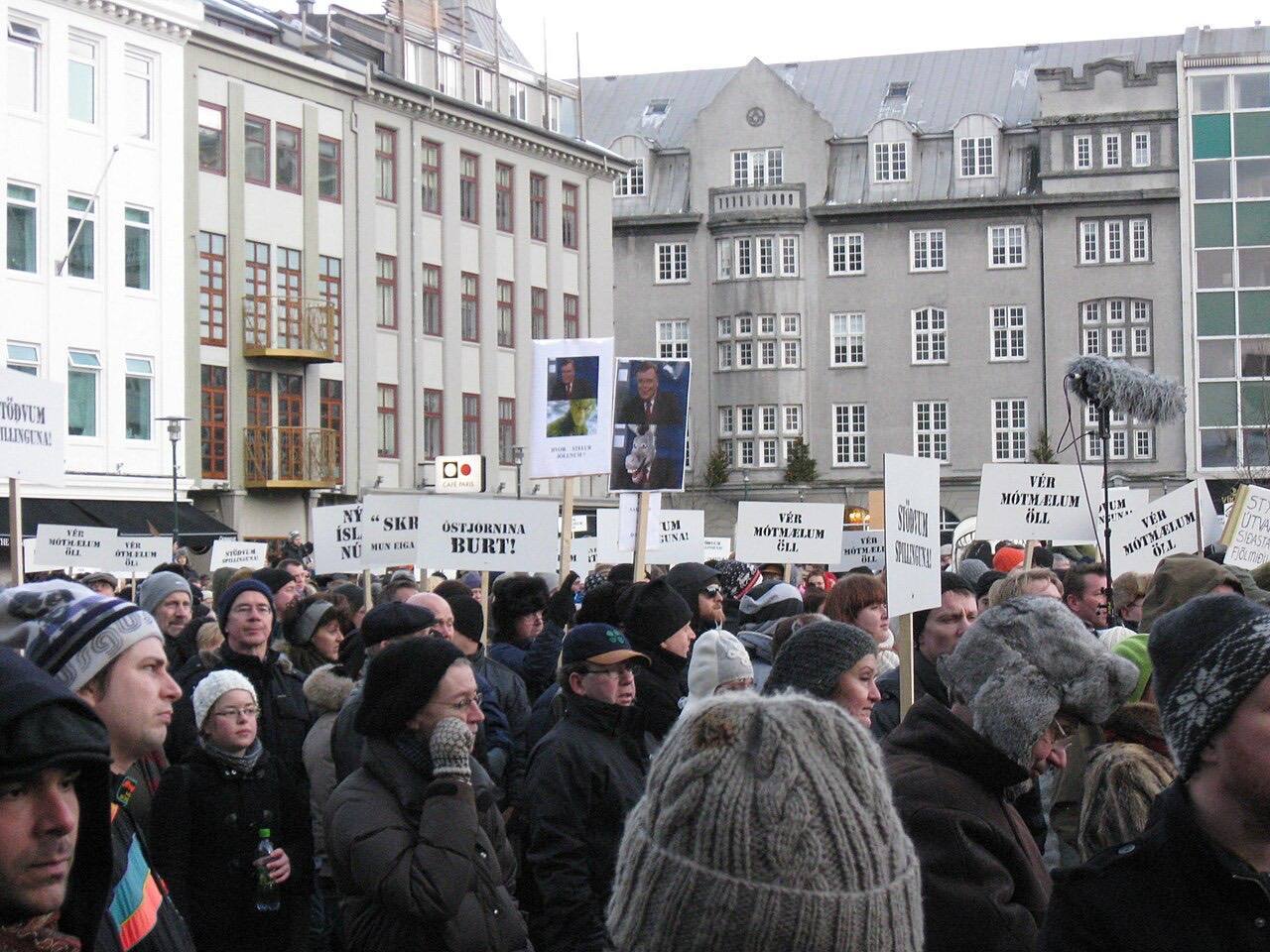
Left-Wing Perspectives: Calls for Social Safety Nets
On the left, there is a strong emphasis on expanding social safety nets as a means to bolster consumer confidence. Advocates argue that increased government spending on social programs, such as unemployment benefits and health care, would provide much-needed support for the most vulnerable populations, stimulating consumer spending.
Critics of this approach, however, contend that excessive government intervention could lead to a dependency culture that stifles personal responsibility and initiative. Moreover, the potential for increased taxes to fund these programs raises concerns among business owners and conservatives who fear that this could dampen investment and economic growth.
"We need to ensure that every American feels secure enough to spend. A strong social safety net is essential for consumer confidence." - Leftist Economic Analyst
Right-Wing Responses: Tax Cuts and Free Market Advocacy
Conversely, the right argues that tax cuts and deregulation are the best routes to restore consumer confidence. Proponents assert that lowering taxes for individuals and businesses will empower them to invest and spend more freely, thus stimulating the economy from the ground up. They warn that government spending will only lead to increased debt, further undermining long-term economic stability.
However, this approach does not come without its criticisms. Opponents argue that tax cuts primarily benefit the wealthy and do little to address the immediate needs of average consumers who are struggling. They also raise concerns that a lack of regulation could lead to corporate irresponsibility, as seen in past economic downturns.
"Tax relief is the key to unlocking consumer spending. We must trust the market and empower individuals to make their own choices." - Conservative Economic Strategist
Finding Common Ground
As each side digs in, the challenge remains: finding a path forward that respects the economic realities faced by American consumers. While the left and right continue to present starkly different solutions, the truth may lie somewhere in the middle. A balanced approach that includes both targeted government support and incentives for private sector growth could be the key to restoring consumer confidence.
Policymakers would do well to consider the complexity of consumer behavior and the various factors that influence spending decisions. A multifaceted strategy that addresses both immediate needs and long-term economic health might not only win bipartisan support but also foster a more resilient economy.
The Role of Media and Public Perception
The media plays a significant role in shaping public perception of consumer confidence. Sensational headlines can exacerbate fears and influence consumer behavior, making it imperative for journalists to provide balanced reporting that considers both sides of the economic debate. An informed public is more likely to make rational spending decisions rather than reacting to fear-driven narratives.
As we navigate these challenging waters, it is vital for both citizens and leaders to engage in constructive dialogue. Understanding the nuances of consumer sentiment can pave the way for more effective policies that resonate with the realities faced by everyday Americans.
✦ ✦ ✦