From the file. Written for the paper dated May 2002. Opened in the public stacks July 14, 2026.
As the nation grapples with a budget standoff, both Democrats and Republicans find themselves entrenched in positions that reveal their respective incentives and excesses. The political landscape of May 2002 is defined by a glaring inability to compromise, which not only threatens the fiscal health of the country but also reflects a troubling trend in American governance.
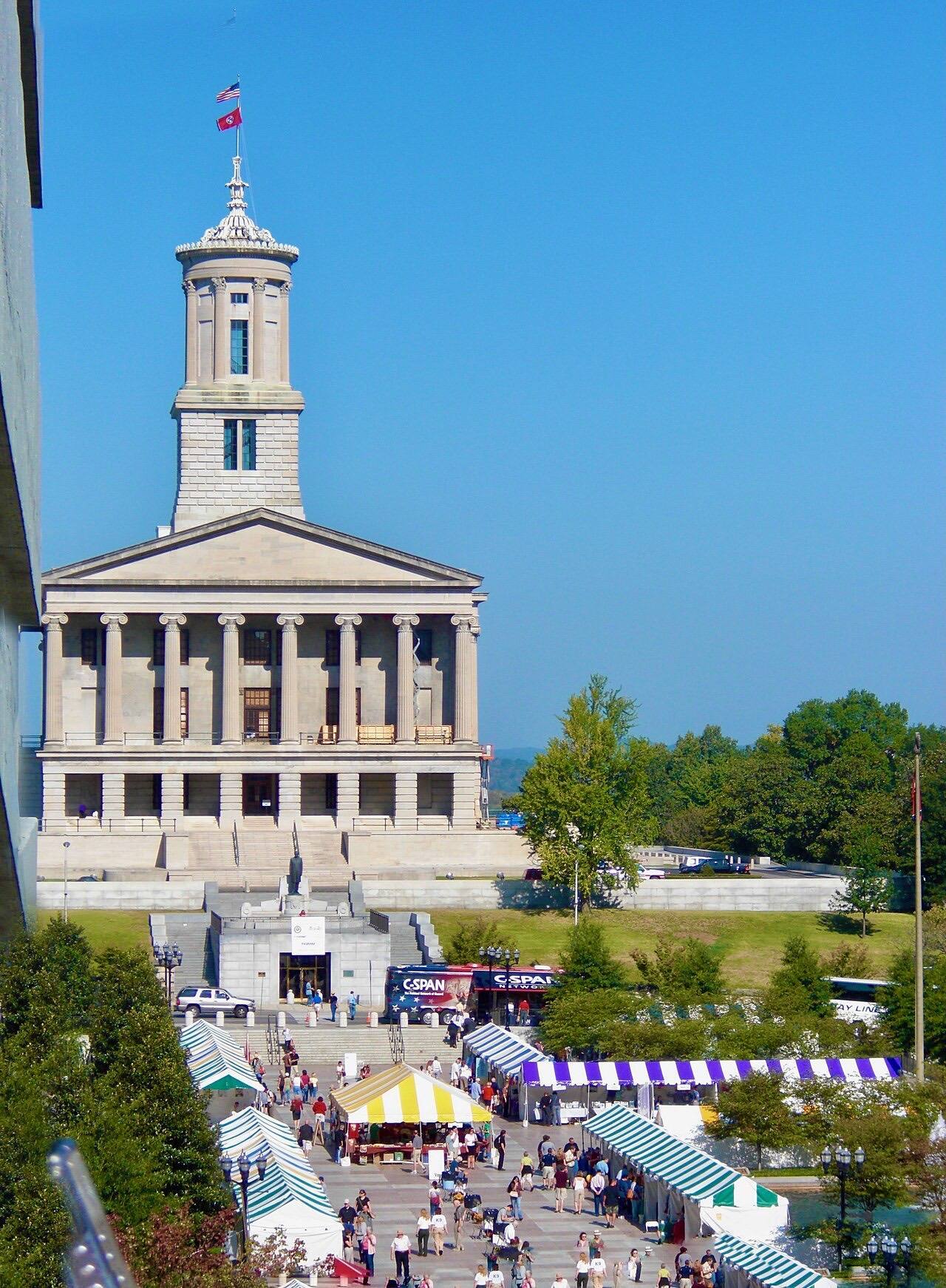
The Standoff: Causes and Consequences
The current budget standoff can be traced back to divergent priorities that highlight the ideological divides between the two major parties. On one side, Republicans are advocating for tax cuts as a means to stimulate the economy, arguing that these cuts will ultimately benefit all Americans by promoting growth. On the other side, Democrats emphasize the necessity of funding social programs and public services, insisting that without adequate investment in education, healthcare, and infrastructure, the nation risks falling behind.
However, the excesses on both sides of the aisle are becoming increasingly apparent. The Republican fixation on tax cuts often overlooks the immediate needs of the most vulnerable, while the Democrats’ unwavering commitment to social spending seems to ignore the long-term fiscal implications. This standoff is not merely about numbers; it is a reflection of a deeper ideological battle that has captivated Washington for years.
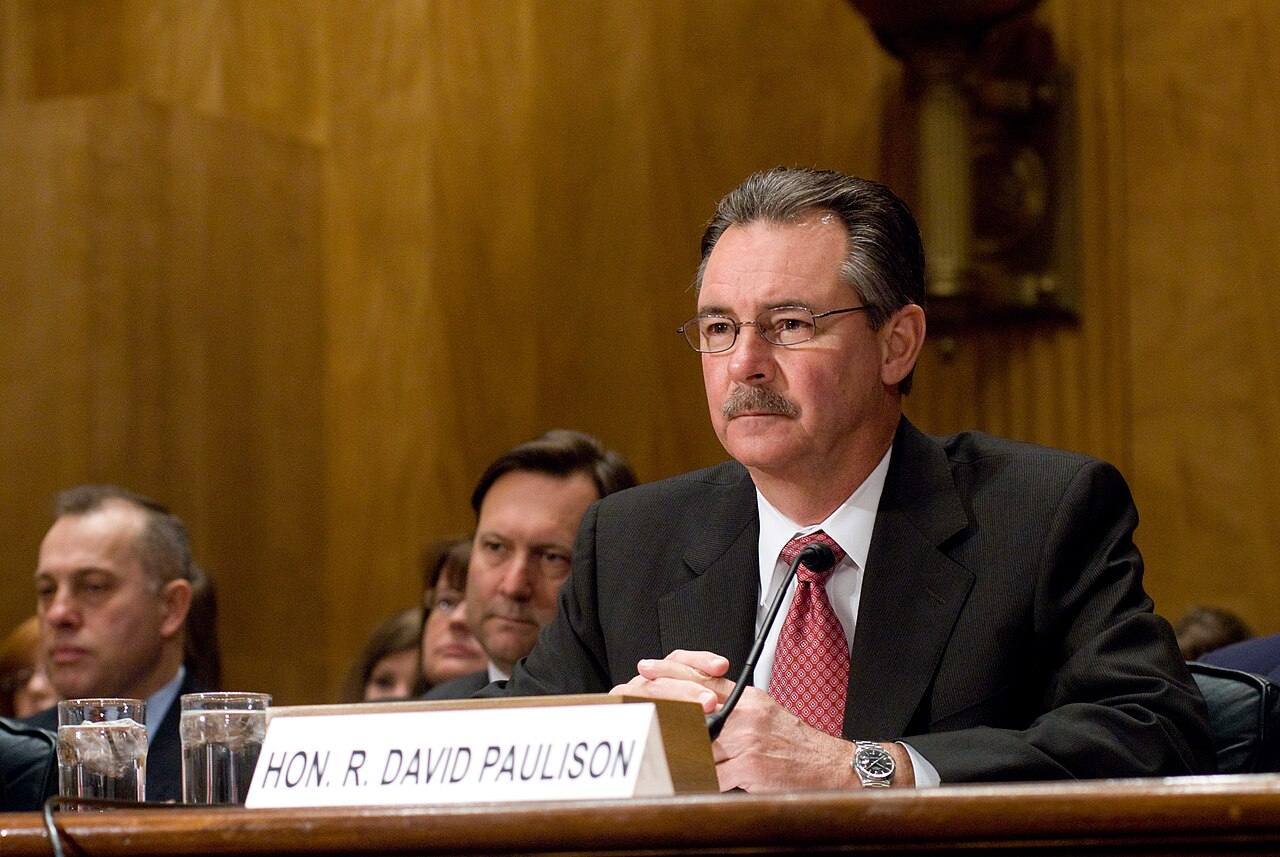
Incentives and Ideologies
As we delve deeper into the motivations driving this standoff, it becomes clear that both parties are incentivized to cling to their respective positions. For Republicans, the push for tax cuts is not just an economic strategy; it is a political one. Many Republican leaders believe that by championing lower taxes, they can appeal to their base and secure their political futures. This short-sightedness, however, risks compromising the quality of life for countless Americans who rely on government services.
Conversely, Democrats often leverage social spending as a means of rallying support from various interest groups. While advocating for programs that benefit the public is critical, their rhetoric can sometimes overwhelm the need for fiscal responsibility. The politics of fear, suggesting that cuts to social programs will lead to dire consequences, can lead to a lack of constructive dialogue and further entrenchment.
"The current budget standoff is not merely about numbers; it is a reflection of a deeper ideological battle that has captivated Washington for years."
The Role of Compromise
In a functioning democracy, compromise is essential. Yet, in today’s political climate, it appears increasingly elusive. Both parties must recognize that the nation’s fiscal health depends on collaboration and open dialogue. The art of negotiation has been sacrificed on the altar of ideological purity, and as a result, the American people are left to suffer the consequences.
Public sentiment is shifting, with many citizens expressing frustration over the gridlock in Washington. They want to see their elected officials working together to find solutions rather than engaging in partisan warfare. The glaring lack of compromise is not just a political failure; it is a failure of leadership.
Potential Paths Forward
As we navigate this complex landscape, it is crucial for leaders on both sides to step back and reassess their strategies. Instead of doubling down on intransigence, they should seek common ground. Perhaps a phased approach to tax cuts, coupled with targeted investments in social programs, could provide a viable pathway forward.
Moreover, enhancing transparency in budget discussions could foster greater public trust and engagement. By involving citizens in the conversation, lawmakers can create a sense of shared responsibility that transcends party lines. This approach not only holds elected officials accountable but also empowers the electorate to voice their concerns and opinions on fiscal matters.
Conclusion: A Call for Unity
The budget standoff of May 2002 serves as a pivotal moment in American politics. With both sides entrenched in their positions, the time for unity and compromise is now. The future of the nation rests on the ability of its leaders to transcend their differences and work collaboratively toward a sustainable fiscal policy. The American people deserve better than a political stalemate; they deserve a government that prioritizes their well-being over partisan gain.
✦ ✦ ✦