From the file. Written for the paper dated April 2002. Opened in the public stacks July 14, 2026.
In the wake of a series of cabinet resignations, the media frenzy often glosses over the deeper implications and the underlying discontent that fuels these departures.
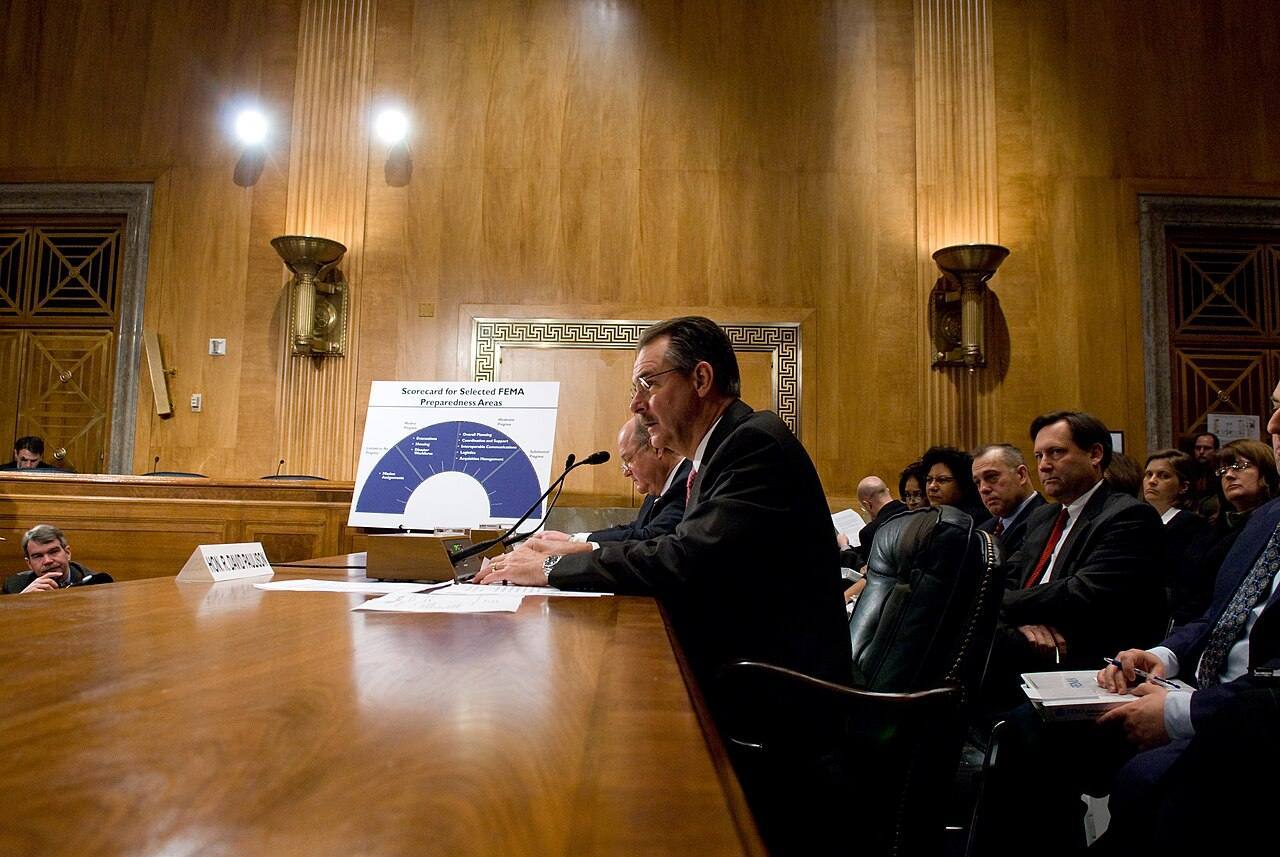
Resignation: A Common Theme
The recent spate of resignations from key cabinet positions has left many Americans questioning the stability of the current administration. While the headlines focus on the drama of the exits, the reasons behind these resignations often remain shrouded in ambiguity. The question arises: what is it that isn't being communicated to the public?
For many, the expectation is that cabinet members should embody the values and vision of the President. When they leave, it can signal discord within the administration or policy failures that go unaddressed. However, the media tends to oversimplify these narratives, presenting them as mere disruptions rather than as indicators of broader systemic issues.

Media Narratives vs. Reality
On one side, the left-wing media outlets are quick to paint these resignations as a sign of incompetence or instability. They often lean heavily into sensationalism, portraying the administration as a sinking ship with crew members scrambling for lifeboats. This approach, while engaging, fails to capture the complexity of the political landscape. The reality is that resignations can stem from a multitude of factors, including personal ambitions, policy disagreements, or even the sheer exhaustion that comes with navigating the tumultuous waters of modern governance.
Conversely, right-wing pundits tend to downplay the significance of these exits, often framing them as routine changes in a dynamic administration. This perspective can be equally misleading, as it downplays the potential ramifications of losing experienced officials who have been intimately involved in the decision-making process. Ignoring these resignations entirely can create a false sense of security, suggesting that all is well when, in fact, critical issues may be brewing beneath the surface.
The Human Element
What gets lost amid these media portrayals is the human element involved in such resignations. Cabinet members are not just political figures; they are individuals with their own beliefs, values, and motivations. The pressure of public scrutiny, combined with the weight of their responsibilities, can lead to decisions that might seem abrupt or ill-timed from the outside. It's essential to remember that these individuals are navigating complex political terrain, often facing challenges that extend beyond the immediate purview of their roles.
"Resignations can stem from personal ambitions, policy disagreements, or even exhaustion."
Political Polarization and Its Effects
The current political climate is marked by increasing polarization. This divide complicates the public's understanding of resignation events. The left and right factions are so entrenched in their respective narratives that they often fail to acknowledge the middle ground where many of these resignations occur. The political discourse has devolved into a blame game, where resignations are weaponized to reinforce ideological arguments rather than to foster constructive dialogue.
This environment can stifle productive conversations about the issues that prompted these departures. Rather than seeking to understand the motivations behind a cabinet member's exit, many commentators are quick to assign blame or praise based on party affiliation. This binary perspective diminishes the opportunity for a more nuanced discussion about the state of governance and the challenges leaders face.
A Call for Balanced Reporting
The media bears a significant responsibility in shaping public perception. As journalists, it is crucial to strive for a more balanced narrative that goes beyond the sensational headlines. Instead of merely reporting on the fact of a resignation, there must be an effort to explore the context, the implications, and the broader landscape that leads to such decisions.
By delving deeper, we can better inform the public about the complexities of governance and the challenges that leaders face. It is not enough to simply report that someone has left their post; we must also strive to understand why and what that means for the administration and the nation as a whole.
Conclusion: Seeking Clarity Amidst Chaos
As we navigate this turbulent political landscape, it is imperative that both the media and the public engage in a more thoughtful dialogue about the implications of cabinet resignations. These departures should not be viewed through a lens of partisan bias but rather as opportunities to reflect on the state of governance and the challenges facing our leaders. Only through a deeper understanding can we begin to appreciate the complexities of leadership in today's world.
✦ ✦ ✦