From the file. Written for the paper dated April 2002. Opened in the public stacks July 14, 2026.
As the dust settles on the latest round of headlines surrounding the auto industry, the focus shifts from the immediate news cycles to the deeper issues that often get overlooked. What’s the state of American manufacturing? How are workers being treated? And are our leaders genuinely addressing the challenges the industry faces?

The Bigger Picture
The auto industry has been a bellwether for the American economy, and recent reports suggest a mixed bag. On one hand, sales have surged in the wake of post-September 11 consumer confidence. On the other, concerns linger about long-term sustainability and the evolving landscape of competition. But while journalists race to cover quarterly earnings and new model rollouts, essential narratives often fall through the cracks.
One of the most pressing issues is the fate of American manufacturing jobs. With many companies looking to cut costs, the trend toward outsourcing has accelerated. It’s a development that not only threatens livelihoods but also undermines the very foundation of communities that have relied on auto manufacturing for generations. Politicians on both sides of the aisle may tout job creation, but what’s truly at stake is the quality of those jobs and the stability they offer.
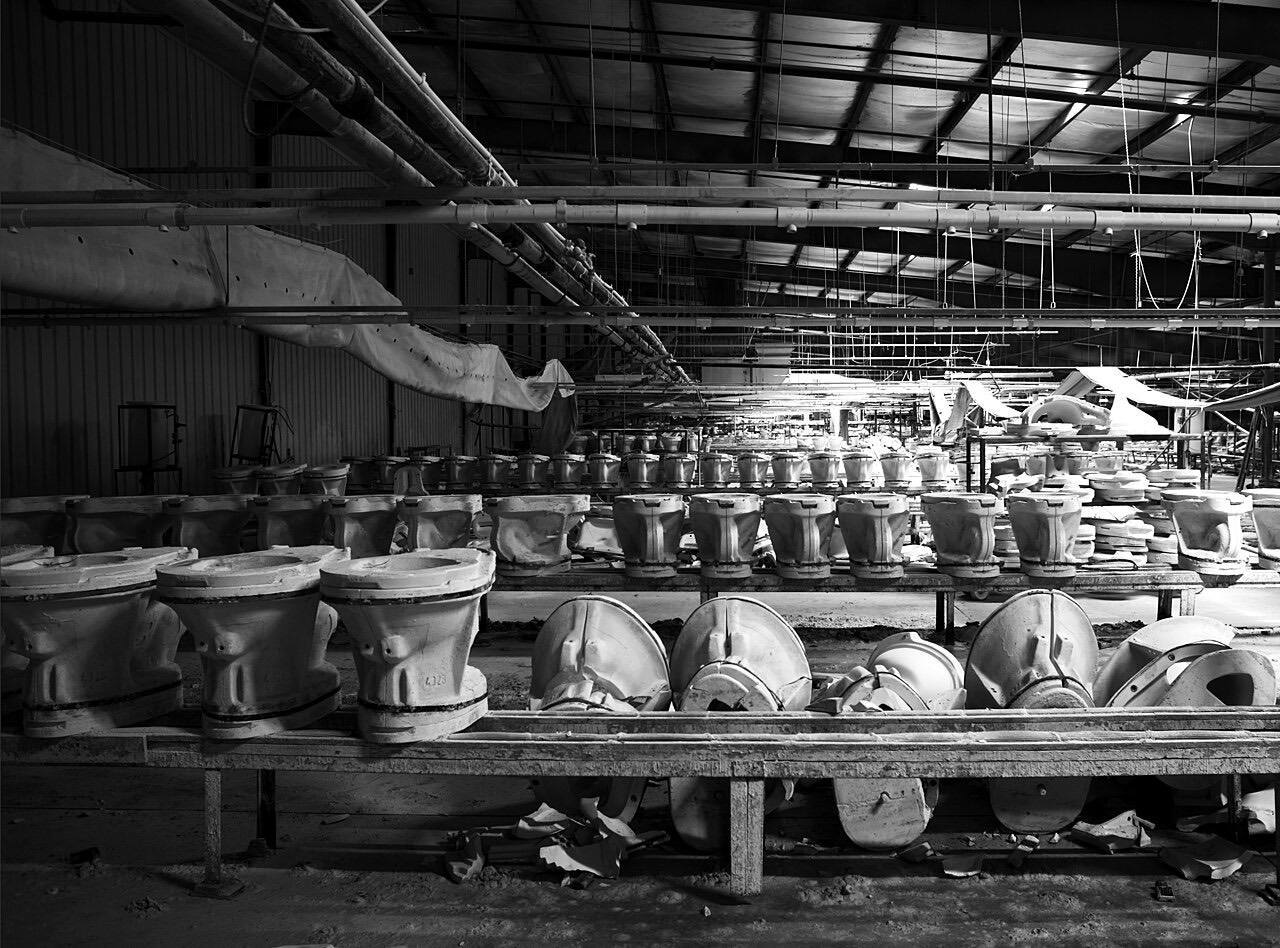
“The auto industry is not just about cars; it's about the people who build them.”
As competition from overseas manufacturers increases, American automakers are faced with tough choices. The push for higher productivity often means more pressure on workers, who may find themselves in precarious positions. Labor unions, once a powerful force in negotiating fair wages and working conditions, now face a challenging landscape. Critics argue that union leadership has become complacent, failing to adapt to the new realities of globalization. But can we truly blame them when the very industry they represent is undergoing such seismic shifts?
Environmental Impact and Innovation
Another critical aspect that deserves scrutiny is the environmental impact of the auto industry. With global warming becoming an ever-more pressing concern, the stakes are high for automakers to innovate and shift toward sustainable practices. Yet, while companies tout advancements in hybrid technology and fuel efficiency, many continue to lag behind in implementing comprehensive strategies for reducing their carbon footprint. Environmental advocacy groups have raised flags about the industry's reliance on fossil fuels and the slow pace of change.
Meanwhile, the left often pushes for stringent regulations that, while well-intentioned, risk stifling innovation. Excessive regulations can burden manufacturers and potentially lead to job losses. The challenge lies in finding a balance between environmental responsibility and economic viability. Policymakers must tread carefully; one misstep could cripple an already fragile industry.
Government’s Role: Intervention or Overreach?
The role of government in the auto industry is another contentious topic. In recent months, calls for government intervention have increased, particularly amid fears of industry collapse. Proponents of intervention argue that a robust auto sector is crucial for national security and economic stability, while critics warn of government overreach. The specter of bailouts looms large, with many questioning whether taxpayer dollars should be used to prop up struggling automakers.
What’s often overlooked in these debates is the need for transparency and accountability. If taxpayer money is to be funneled into the industry, the public deserves to know how it’s being spent and what safeguards are in place to ensure that it leads to real improvements. Without proper oversight, we risk repeating the mistakes of the past, where financial support was given without any strings attached.
Consumer Choices and Market Trends
As consumers navigate their choices in an ever-expanding marketplace, it’s essential to recognize the power they wield. The shift toward SUV and truck sales has reshaped the market, yet many consumers seem to overlook the long-term implications of these preferences. Fuel prices fluctuate and environmental concerns grow, but the allure of bigger vehicles persists.
Moreover, the media often portrays this consumer behavior as a simple trend - what's hot today may not be tomorrow. Yet, deeper cultural narratives exist here, reflecting a society increasingly enamored with size and power over efficiency and sustainability. The auto industry must not only respond to consumer demand but also take the lead in educating buyers about the implications of their choices.
✦ ✦ ✦