From the file. Written for the paper dated February 2002. Opened in the public stacks July 14, 2026.
As the dust settles from the recent satellite failures, the questions surrounding them remain, but the urgency to find certainty is selling briskly.
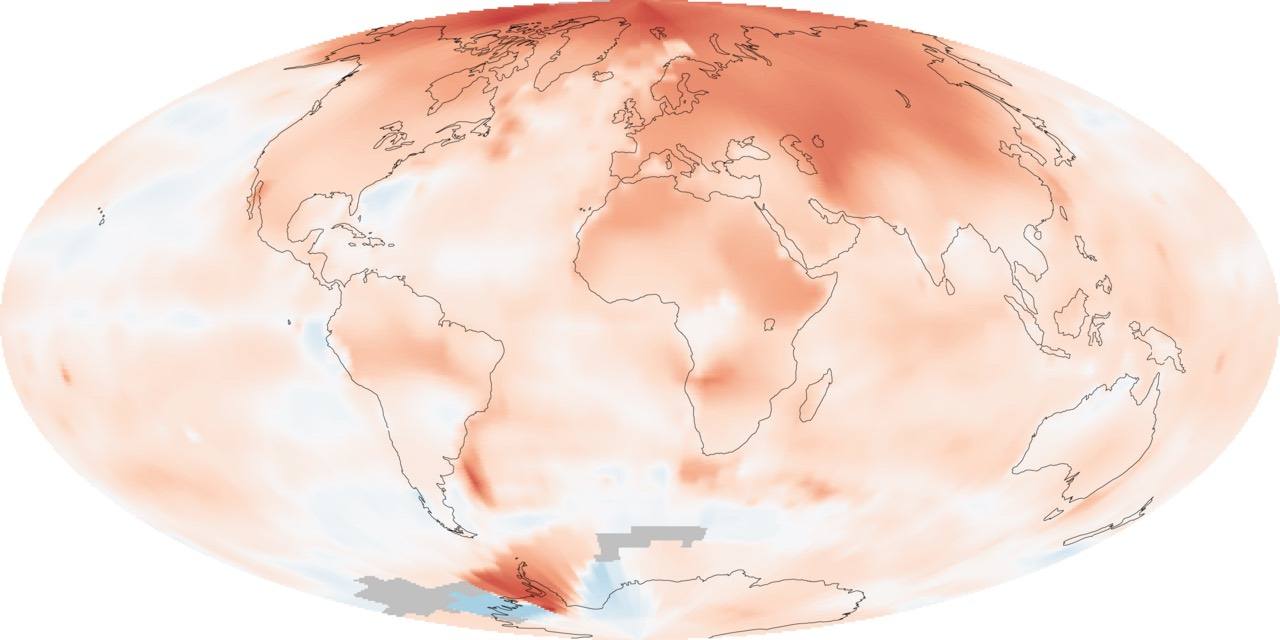
Understanding the Failures
In January 2002, a series of high-profile satellite failures captured the attention of both the public and scientific communities. These incidents raised significant concerns about the reliability of our increasingly dependent satellite systems. After the headlines fade, the real ramifications of these failures emerge: the impact on communications, weather forecasting, and national security. Yet, amid chaos, a curious trend has surfaced - an insatiable demand for certainty in a world where ambiguity reigns supreme.
"In times of crisis, the quest for certainty often overshadows the complexity of reality."
The Quest for Certainty
The aftermath of the satellite failures has prompted a cacophony of opinions from both sides of the political spectrum. On one hand, proponents of national security argue for increased funding and oversight of our satellite infrastructure, suggesting that such investments will provide the certainty we need to maintain our technological superiority. On the other hand, critics from the environmental and social justice movements contend that this rush to bolster military satellite capabilities diverts crucial resources from addressing pressing issues like climate change and poverty.
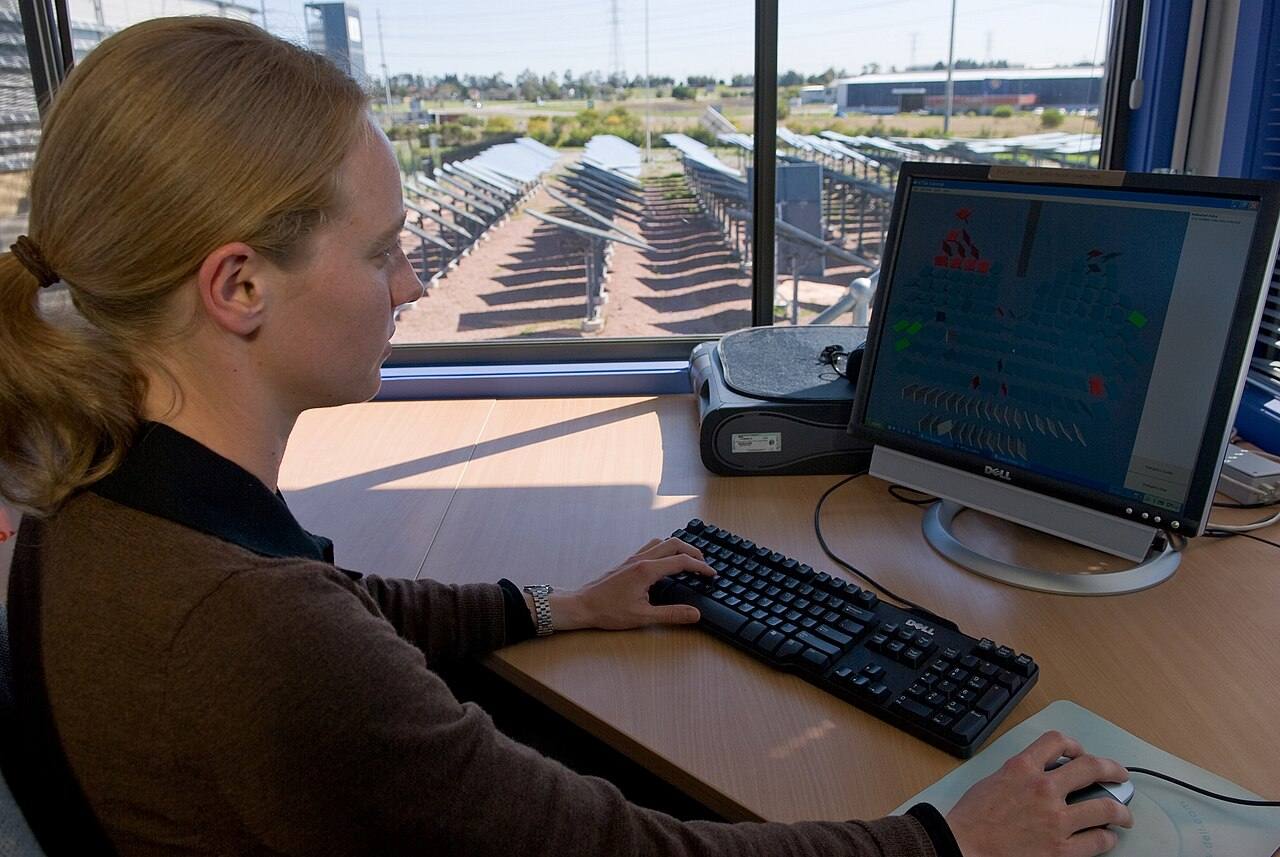
As the debate unfolds, it becomes apparent that both sides exhibit excesses in their arguments. The right, in their fervor to secure America’s technological edge, often ignores the potential ramifications of an unchecked military-industrial complex. Meanwhile, the left's call for a reevaluation of satellite priorities frequently slides into alarmism, framing the failures as a harbinger of a dystopian future devoid of accountability or ethical considerations. In this polarized atmosphere, the truth is often lost, and nuanced discussions are drowned out by sensational rhetoric.
The Role of the Media
Media coverage of satellite failures showcases the very trends that exacerbate this quest for certainty. Headlines blare warnings and predictions, often prioritizing sensationalism over accuracy. The public consumes these narratives, creating a feedback loop where sensational accounts of failure fuel anxiety and demand for immediate solutions. In this context, the media plays a dual role - both informing and inflaming public perception.
Technological Dependence
As we navigate an era of unprecedented technological dependence, the implications of these satellite failures extend beyond immediate communications. The network of satellites that orbit our planet is integral to various sectors, including navigation, weather forecasting, and even disaster response. Failure in one system can lead to cascading effects across multiple domains, amplifying the urgency for solutions.
Yet, the certainty demanded in response to these failures may lead us down a treacherous path. The push for rapid solutions often comes at the expense of thoughtful consideration of long-term implications. The right’s call for increased military satellite initiatives may enhance security measures temporarily but risks fostering an arms race in space. Conversely, the left's insistence on redirecting resources toward social causes may divert attention from the critical need to maintain and upgrade existing satellite infrastructure.
Finding Common Ground
To address the complexities of satellite failures, we must strive to find common ground between these extremes. Rather than approaching the issue through a lens of binary choices - either bolstering military capabilities or focusing solely on social justice - we must embrace a more balanced perspective. This involves recognizing the interconnectedness of technology, society, and the environment.
As the scientific community continues to analyze the failures, we must prioritize transparency and collaboration. Engaging various stakeholders, from government agencies to private companies and civil society organizations, can foster a more comprehensive understanding of the challenges we face. By working together, we can develop more resilient systems that address both immediate security concerns and the long-term sustainability of our technological infrastructure.
The Road Ahead
In conclusion, the fallout from recent satellite failures serves as a stark reminder of our technological vulnerabilities. While the quest for certainty is understandable, it is essential to approach this issue with caution and deliberation. We must resist the temptation to latch onto extreme narratives that oversimplify complex realities. Instead, let us advocate for solutions that are informed, balanced, and considerate of the broader implications for our society and the world.
✦ ✦ ✦