From the file. Written for the paper dated February 2002. Opened in the public stacks July 14, 2026.
As the dust settles in the aftermath of corporate scandals and the economic downturn, a more insidious crisis is emerging on the horizon: the pension shortfall. While headlines scream of immediate corporate malfeasance and stock market fluctuations, the long-term implications for American workers are often overlooked.
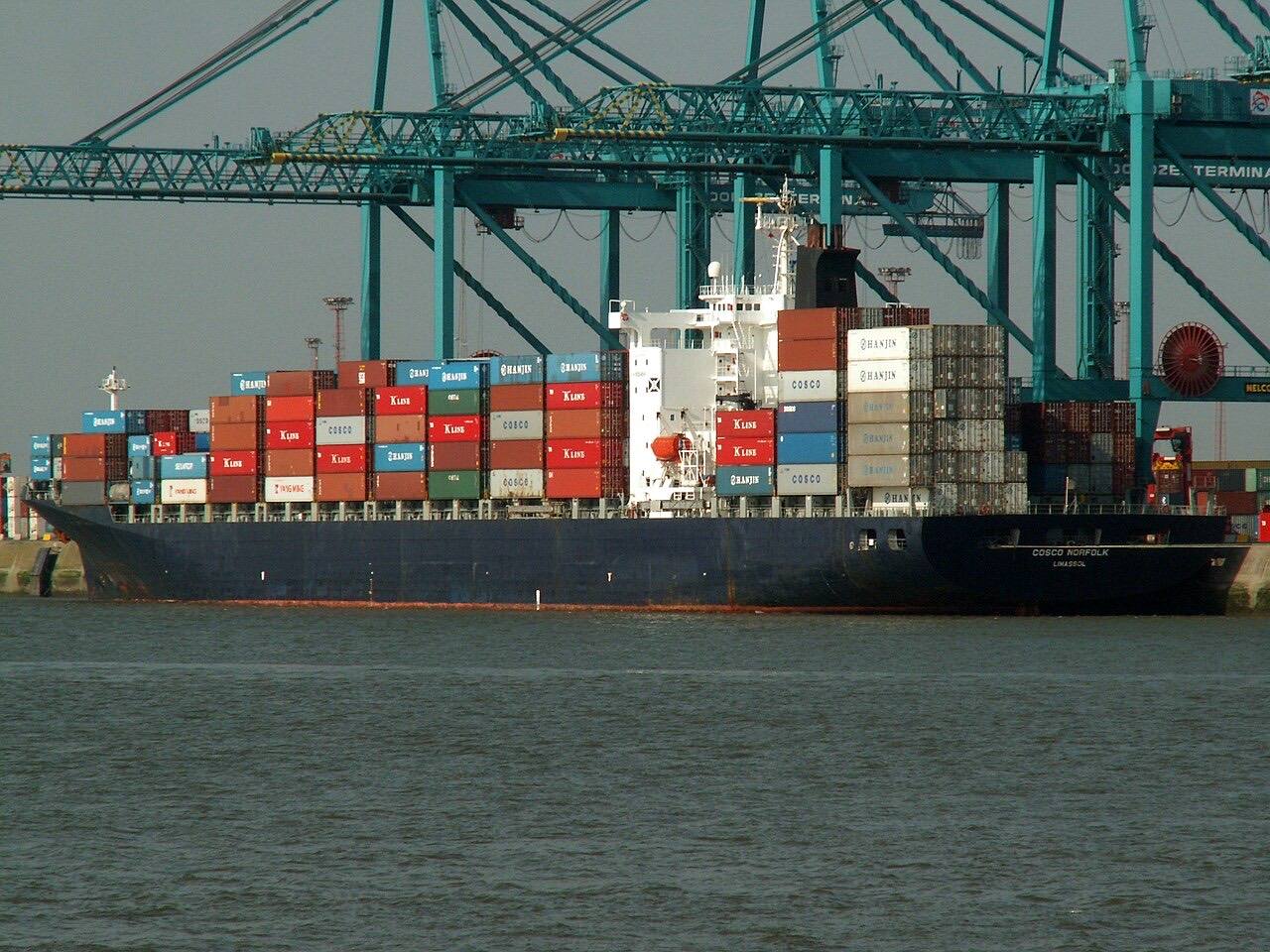
The Growing Chasm
The current financial climate has created a perfect storm for pension funds. Many companies are struggling to meet their obligations to retirees as they face declining stock prices and increasing liabilities. This has led to a growing chasm between what pension plans promise and what they can actually deliver. The average American, who has relied on these pensions for financial security in retirement, is left wondering about their future.
"A pension isn't just a number on paper; it's a promise made to workers who have dedicated their lives to a company."
While the corporate world grapples with these financial realities, workers are left in the dark. The lack of transparency and communication surrounding pension plans has bred mistrust. Individuals are learning the hard way that their retirement savings may not be as secure as they once believed. This revelation has sent many to seek alternative means of securing their financial futures.
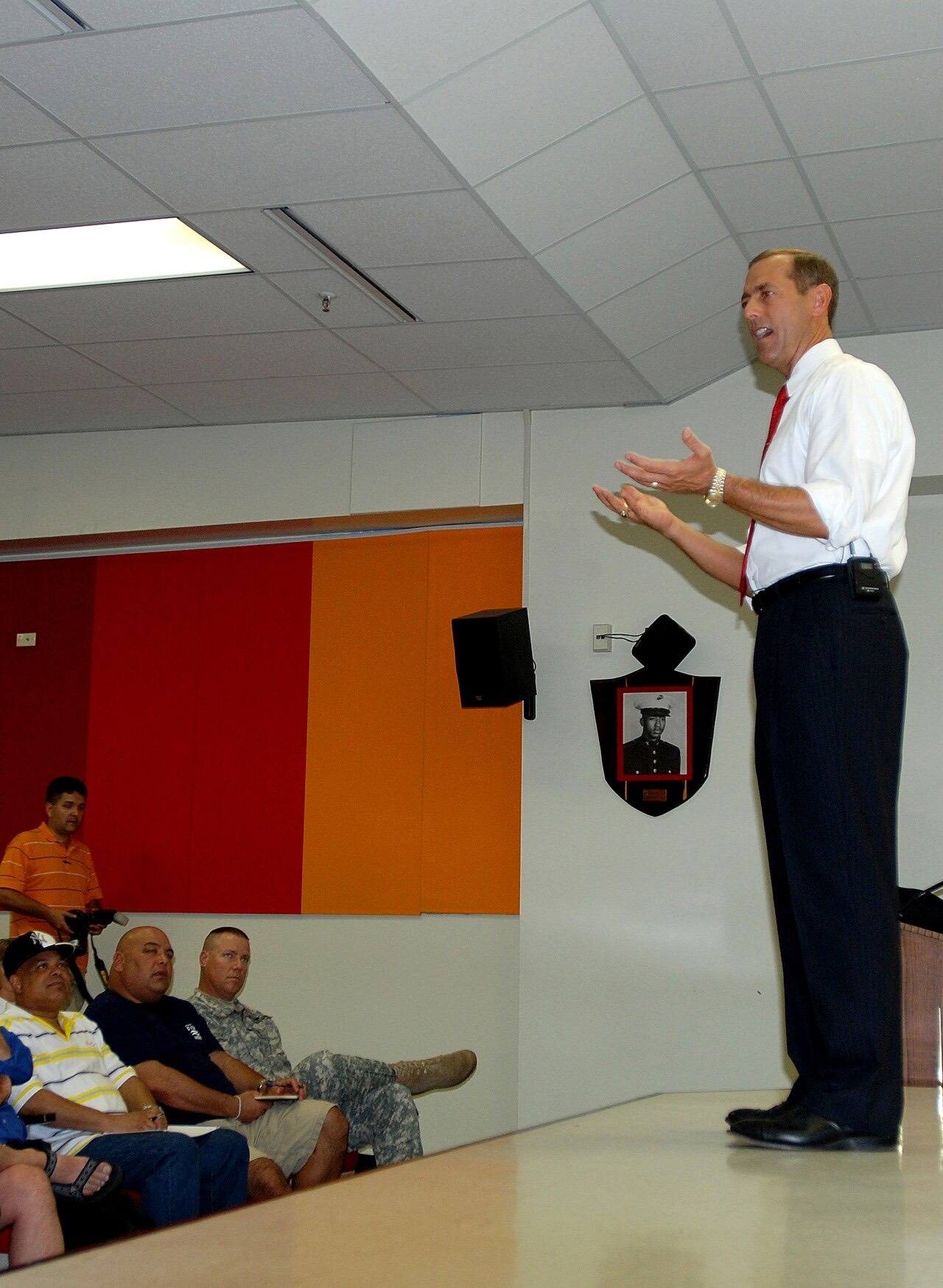
Uncertainty Fuels Demand for Certainty
In a climate where uncertainty reigns, products and services that promise security are selling briskly. Financial advisors are reporting an uptick in interest for retirement accounts that offer guaranteed returns. Many are flocking to annuities, which promise a steady income stream during retirement, even if they come with higher fees and less flexibility.
Moreover, the uncertainty surrounding Social Security's future adds another layer of concern. With discussions around reform and sustainability intensifying, many are questioning whether they can rely on it as a safety net. This skepticism is driving individuals to take matters into their own hands, often at the expense of long-term financial planning.
Left vs. Right: A Divisive Debate
The discussions surrounding pension reform have become a microcosm of the larger political divide in America. On one hand, the left is clamoring for increased regulation and oversight to protect workers from corporate greed. They argue that the government must step in to ensure that pension funds are adequately funded and managed. While this call for action is well-intentioned, it often veers into overly prescriptive territory, which could stifle innovation and lead to more bureaucratic inefficiencies.
On the other hand, the right advocates for privatization and deregulation of pension systems, arguing that the market should dictate how retirement security is managed. This approach may sound appealing, but it risks leaving vulnerable workers at the mercy of market fluctuations and corporate decisions that prioritize profit over people.
"The solution lies not in absolutes from either side, but in a balanced approach that prioritizes worker security."
Both extremes neglect the complexities of the issue at hand. The answer is not a one-size-fits-all solution but rather a nuanced approach that considers the needs of workers while allowing for flexibility and innovation in financial products.
The Need for Comprehensive Solutions
As the pension crisis continues to unfold, the need for comprehensive solutions becomes ever more pressing. Policymakers must engage in a bipartisan dialogue that addresses the root causes of pension shortfalls while ensuring that workers' rights are protected. This includes reevaluating regulations surrounding pension funds, enhancing transparency, and providing better financial education to employees.
Furthermore, companies must take their obligations seriously, viewing pensions not merely as liabilities but as commitments to their workforce. This shift in perception could lead to more sustainable business practices that prioritize long-term success over short-term gains.
Conclusion: A Call for Awareness
As we navigate through tumultuous economic waters, the pension shortfall crisis is a reminder of the fragility of trust in financial systems. Workers deserve assurance that their hard-earned retirement benefits are secure. In a time when certainty is selling like hotcakes, it is crucial for both sides of the political aisle to come together in a spirit of collaboration to forge solutions that protect workers and restore faith in the promise of pensions.
✦ ✦ ✦