From the file. Written for the paper dated January 2002. Opened in the public stacks July 14, 2026.
As the world watches the simmering volcanoes of the Pacific Ring of Fire, a different kind of eruption is occurring in the political landscape of the United States - one fueled by selective memory and partisan bickering.
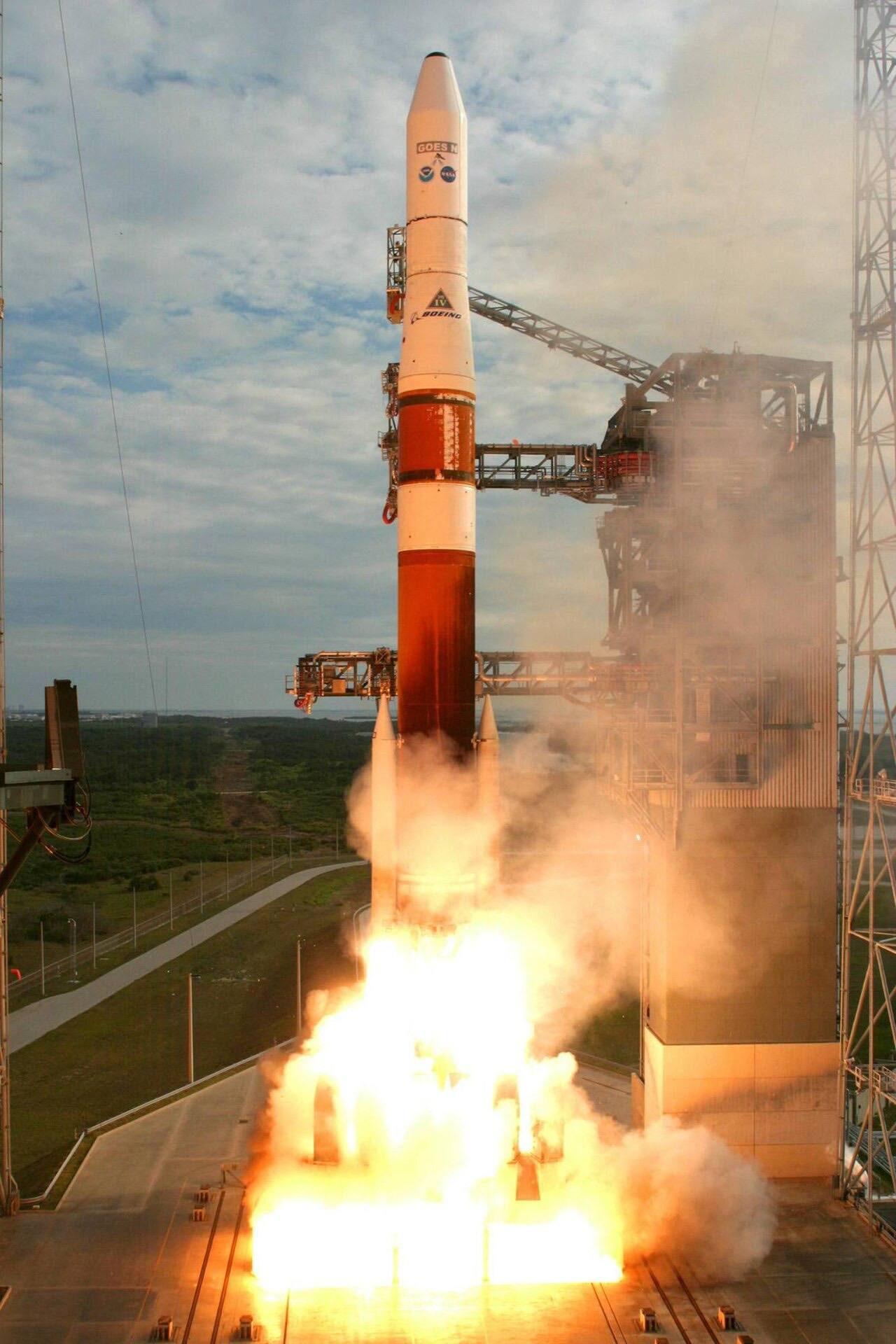
Volcano Watch: Nature's Fury and Political Fallout
Currently, the scientific community is closely monitoring several volcanoes that have shown increased activity, such as Mount St. Helens and Kilauea. Each of these natural wonders serves as a reminder of both the power of nature and the limitations of our understanding. However, as we turn our gaze to the molten magma below, it is essential to recognize that our political leaders often possess their own form of selective memory when it comes to environmental issues.
On one side of the aisle, many Democrats champion environmental protection and climate change initiatives. They have long insisted that scientific warnings must not be ignored, especially when it comes to natural disasters. Yet, it is perplexing how quickly some have forgotten their past support for policies that undermined conservation efforts. Acknowledging the balance between environmental protection and economic growth is crucial, yet many on the left have chosen to ignore the complexity of this issue in favor of a more simplified narrative.

Meanwhile, Republicans often tout their commitment to economic development, arguing that regulations stifle growth and innovation. Yet, many fail to recognize that neglecting environmental safeguards can lead to catastrophic consequences - both economically and ecologically. The aftermath of natural disasters, such as floods or volcanic eruptions, can be devastating, not only for the communities affected but also for the national economy. Such realities should prompt a serious reevaluation of their stance on environmental policies.
"In the end, both sides of the political spectrum are guilty of overlooking the facts when it serves their agenda."
The Science of Eruption: A Call for Unity
As scientists warn of potential eruptions, it is vital that both political parties work together to create comprehensive strategies for preparedness and response. While the threat of volcanic eruptions may seem distant to some, the consequences are immediate and far-reaching. We must prioritize scientific research and data-driven policies over partisan rhetoric.
However, the current political climate reveals a troubling trend: both parties seem more interested in scoring points against the other than in addressing the scientific realities of our world. The Democrats may focus on climate change and its implications for natural disasters, while Republicans may dismiss these concerns as alarmist rhetoric. This division hampers progress and threatens the very communities that need support in times of crisis.
A Volcanic Eruption of Political Discourse
Moreover, the metaphor of a volcanic eruption extends beyond the physical realm. The heated exchanges between political leaders resemble the explosive nature of eruptions themselves. Each side hurls accusations and counterclaims, often forgetting that the real victims of this political lava flow are the citizens who rely on their leaders for clear guidance and action.
In the aftermath of natural disasters, the true colors of politicians often emerge. They rally together in the name of recovery, but this unity is temporary. Once the dust settles, the same partisan divides resurface. Instead of fostering a spirit of cooperation, leaders often retreat to their respective corners, armed with selective memories of their own previous statements and actions.
Finding Common Ground
To navigate the challenges posed by both nature and politics, it is imperative that we cultivate a culture of accountability and collaboration. Politicians must recognize that the consequences of their decisions have profound implications, not only for their constituents but for future generations. It is time to move beyond partisan lines and engage in meaningful dialogue that acknowledges the scientific realities we face.
As we watch the volcanoes and prepare for potential eruptions, let us also reflect on the need for a united front against the challenges that lie ahead. The time for selective memory has passed. We must embrace a future where scientific understanding and responsible governance go hand in hand, ensuring that we are prepared for whatever nature throws our way.
✦ ✦ ✦