From the file. Written for the paper dated January 2002. Opened in the public stacks July 14, 2026.
In the tumultuous political landscape of early 2002, where the echoes of September 11 still resonate, both the left and right are engaging in a troubling practice: selective memory in line item politics. This phenomenon not only shapes legislative agendas but also significantly impacts public perception.
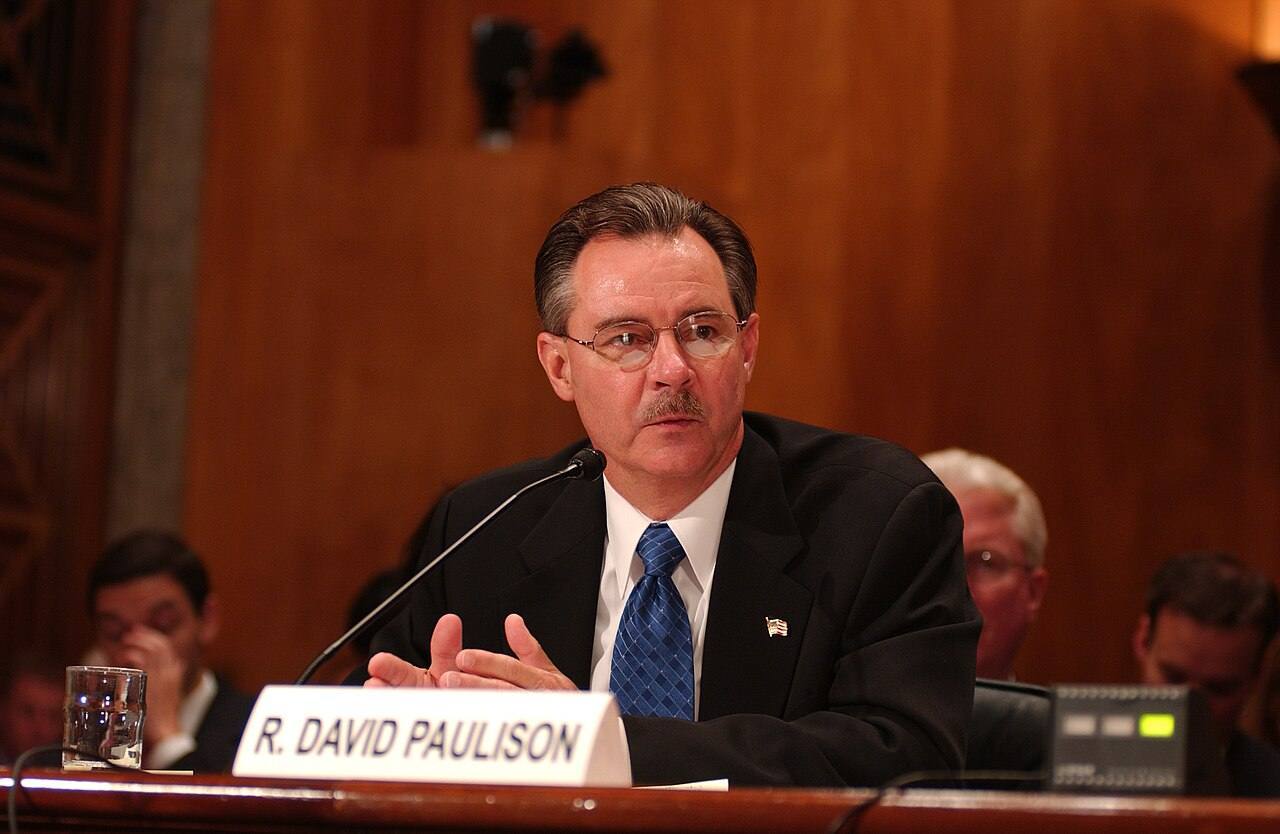
The Politics of Memory
As Congress reconvenes in the aftermath of the terrorist attacks, the urgency to address national security has led to a swift and often reckless approach to governance. The bipartisan habit of revising history - of remembering only the parts that suit current political agendas - has become a hallmark of American politics. Both sides of the aisle have, at times, demonstrated a willingness to overlook their own past missteps or to twist narratives to fit their ideological frameworks.
On one side, Democrats are eager to highlight the need for increased spending on social programs, often pointing to the economic downturn that followed the attacks. They argue that now, more than ever, it is crucial to invest in education, healthcare, and social safety nets. Yet, it is curious to note how quickly they have forgotten their own contributions to budgetary constraints during the 1990s. When times were good, many of these same leaders advocated for fiscal responsibility and spending cuts, championing a "new economy" mantra that is now being conveniently ignored.
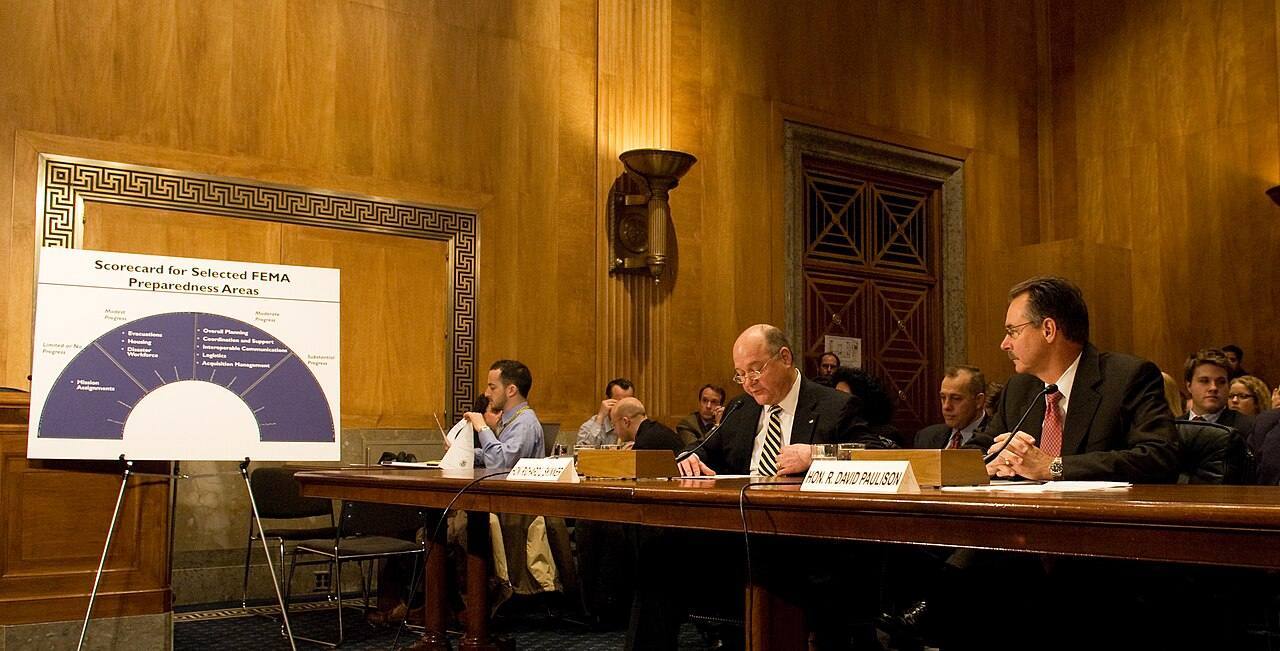
Meanwhile, Republicans have seized the moment to push a national security agenda that prioritizes military spending and heightened surveillance measures. They argue that the nation must remain vigilant against threats, using the attacks as a rallying cry to justify increased defense budgets. However, it is equally intriguing to see how swiftly they dismiss their previous opposition to similar initiatives during Democratic administrations. The GOP's newfound enthusiasm for government intervention in the name of security marks a stark departure from their traditional advocacy for limited government.
"Both sides of the aisle have, at times, demonstrated a willingness to overlook their own past missteps."
Public Sentiment and Political Manipulation
This selective memory is not merely an academic exercise; it has real consequences for public sentiment. Americans, still reeling from the trauma of the attacks, may find themselves more susceptible to political manipulation. The urgency of the moment can lead to a collective amnesia regarding the complexities of governance. Instead of engaging in healthy debate grounded in historical context, many citizens are left to navigate a political environment rife with contradictions.
Take, for example, the proposed legislation surrounding the USA PATRIOT Act. While many Democrats initially voiced concerns about civil liberties and government overreach, the collective hysteria in the wake of the attacks has shifted the tone. Suddenly, there is a rush to support measures that just months ago would have been met with staunch opposition. This behavior is emblematic of a broader trend where fear overshadows reasoned discourse, allowing for the erosion of hard-won civil rights.
Yet, the right has not been immune to this trend. As they push for aggressive military action abroad, they often downplay the historical context of American interventionism. The narrative that America is a beacon of freedom and democracy fails to acknowledge the complexity of past interventions that led to resentment and backlash in various regions. This selective framing not only distorts the current debate but also risks repeating mistakes that could have dire consequences.
Finding a Path Forward
As the nation grapples with these pressing issues, it is imperative for both citizens and politicians to confront the reality of their collective history. The selective memory that has taken hold serves neither the public interest nor the integrity of democratic governance. It is essential to engage in a more honest dialogue about the lessons of the past, recognizing that both sides have contributed to the current state of affairs.
In this crucial moment, the challenge lies in moving beyond partisan narratives that often obscure the truth. It is the responsibility of elected officials to foster a political climate that encourages introspection and accountability. Only then can the nation hope to emerge from the shadows of fear and division, forging a path that prioritizes the common good.
✦ ✦ ✦