From the file. Written for the paper dated December 2001. Opened in the public stacks July 14, 2026.
As the nation grapples with the fallout from a tumultuous year, the discourse surrounding scandal and process has become increasingly polarized. The aftermath of the September attacks and the subsequent military responses have led to a scrutiny of governmental oversight that is both warranted and misdirected.
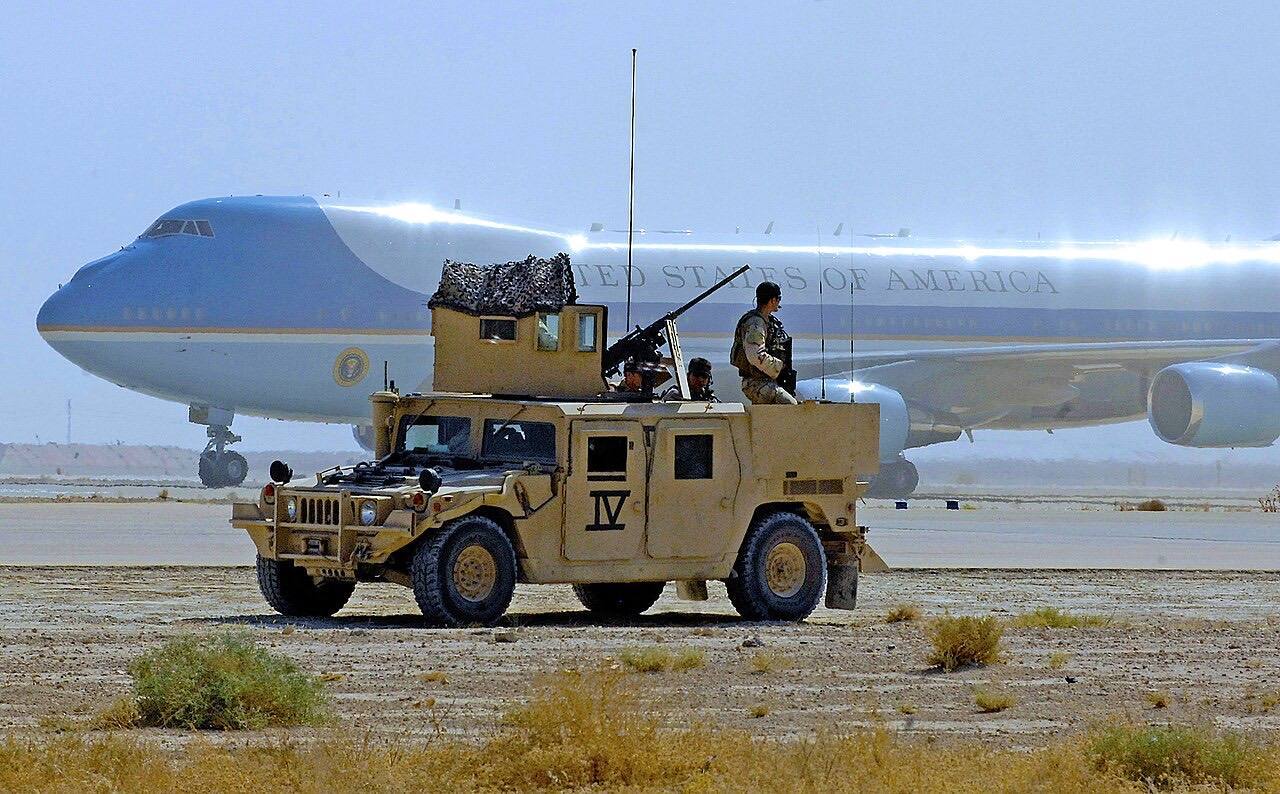
Understanding the Current Climate
In the wake of the recent events that have shaken our nation to its core, the public's appetite for accountability has intensified. Yet this desire for transparency often morphs into a call for punishment that can overshadow the more nuanced discussions about oversight and governance. Both the left and the right are guilty of excesses that obscure the underlying issues we must grapple with as a society.
On one hand, the left has taken to lamenting overreach in the name of security, often framing the government's actions as a slippery slope towards authoritarianism. While concerns about civil liberties are indeed critical, the rhetoric can sometimes veer into alarmism, diverting attention from the real, pragmatic need for effective security measures. The intense criticism of the USA PATRIOT Act, while valid, can overshadow the genuine need for certain provisions that enhance our ability to respond to threats.
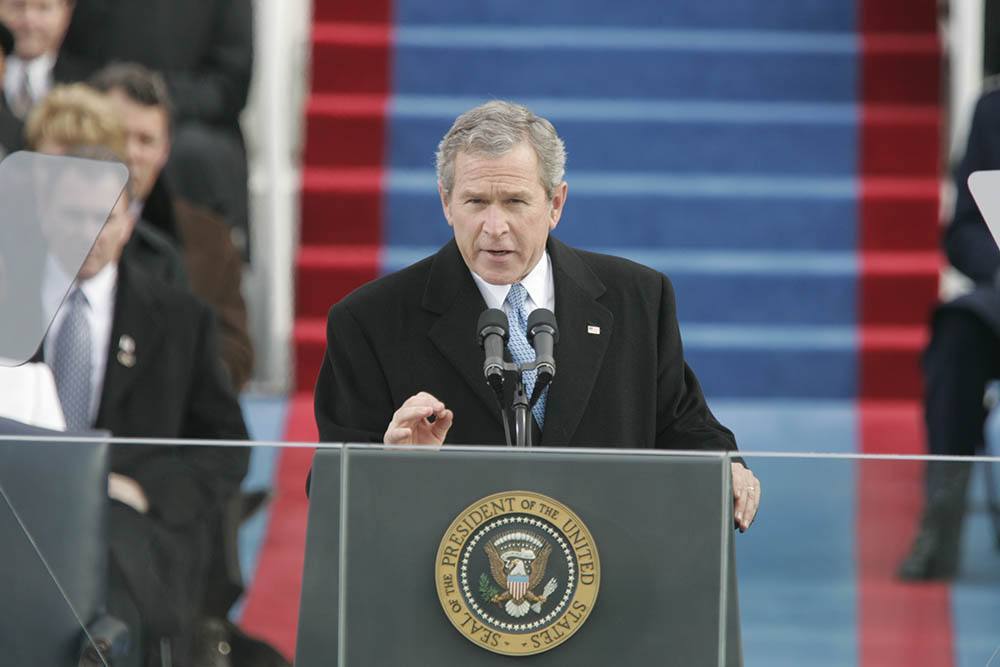
Conversely, the right's rallying cry for national security can often dismiss legitimate questions about oversight and accountability. The fervor for military action and increased surveillance is accompanied by a troubling tendency to romanticize the state’s power, overlooking the potential for misuse. This lack of critical engagement with the processes that govern our national security apparatus can create a dangerous complacency.
"Both sides must recognize that the quest for accountability is not mutually exclusive with the need for security."
The Quiet Failures of Oversight
The current environment of heightened alertness has led to a number of lapses in oversight that deserve our attention. Governmental bodies that are supposed to monitor and review actions taken in the name of security have often been left wanting. Congressional committees, which are tasked with ensuring that the executive branch does not overstep its bounds, have struggled to maintain their role amidst the chaos.
Consider the recent reports about intelligence failures leading up to the September attacks. Rather than a singular event of negligence, these failures are symptomatic of a broader systemic issue. Oversight mechanisms, designed to keep checks on power, have not been functioning as intended. The result has been a series of missteps that have compounded national vulnerabilities.
Moreover, the rush to implement new security measures has led to a neglect of existing processes. The emphasis on immediate action can stifle the critical examination of policies and practices that may need reform. This is a moment where the nation should be reflecting on its approach to governance, not just reacting to crises.
The Path Forward
As we navigate this complex landscape, it is imperative that we do not lose sight of the fundamental principles that uphold our democracy. The dialogue surrounding scandal and process must evolve to embrace a more balanced perspective - one that acknowledges the necessity of security while also advocating for accountability and oversight.
Both sides of the political spectrum must come together to ensure that the mechanisms of oversight are not only preserved but strengthened. This means advocating for transparency in government operations and pushing for reforms that enhance the effectiveness of congressional oversight. Only then can we hope to build a system that is robust enough to withstand future challenges without sacrificing the rights and freedoms that are the bedrock of our society.
Conclusion
As we move forward, it is essential to cultivate a political culture that values both security and accountability. The pendulum of public opinion can swing dangerously if we allow fear to dictate our actions. A clear-eyed examination of our processes must become a priority, ensuring that we remain vigilant without losing our way.
✦ ✦ ✦