From the file. Written for the paper dated December 2001. Opened in the public stacks July 14, 2026.
Recent surveys of the ocean’s depths have revealed not only a wealth of information about marine ecosystems but also a troubling lack of oversight in the methodologies employed by scientists. As we strive to better understand the health of our oceans, it is essential to confront this quiet failure.
The Findings
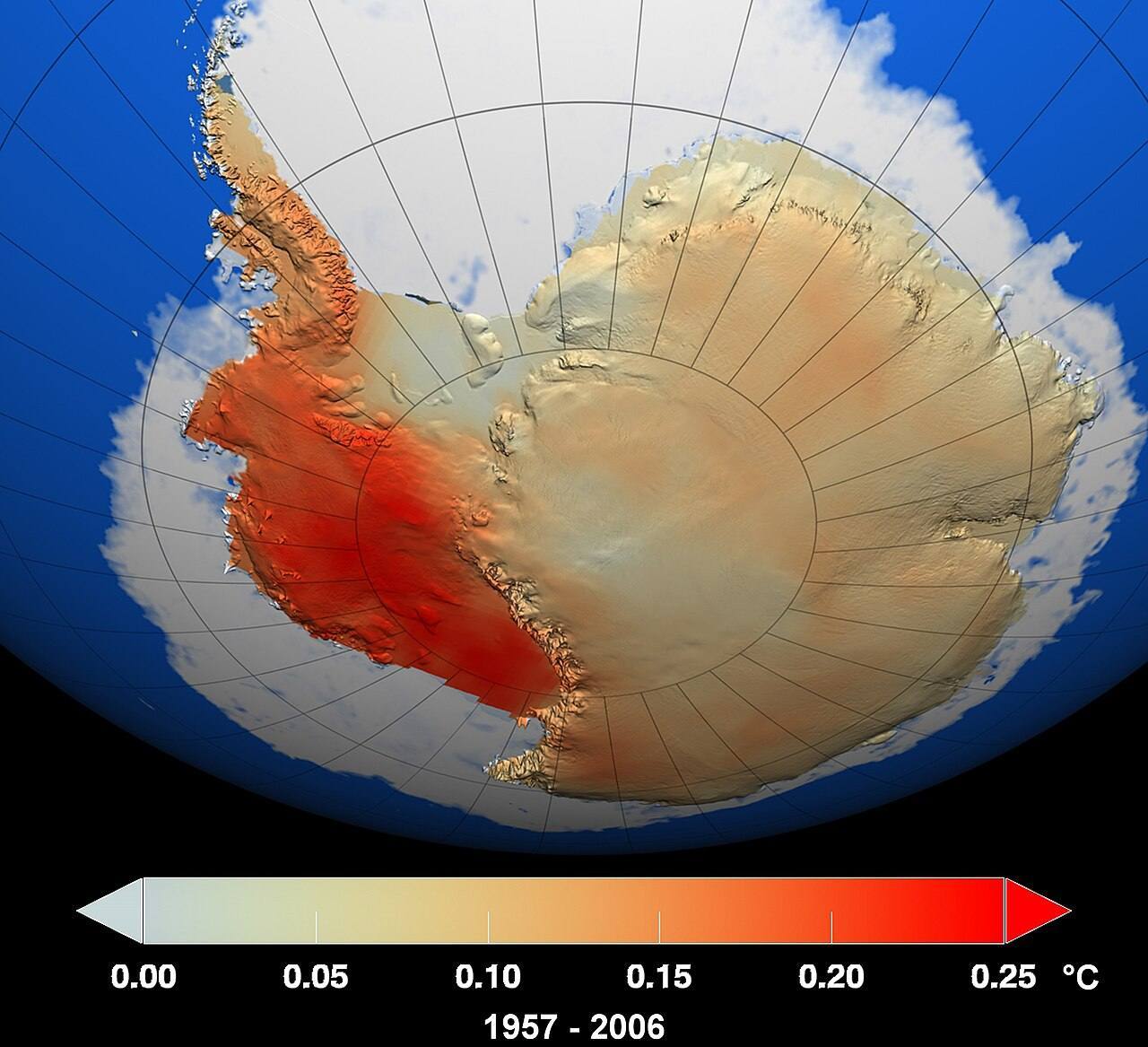
In the past several months, various oceanographic institutions released findings from extensive surveys conducted across multiple oceanic regions. These surveys aimed to assess biodiversity, pollution levels, and the impacts of climate change on marine life. While the data collected is significant, the methods and protocols used in gathering this information have raised eyebrows among environmental scientists and policy makers alike.
Critics argue that insufficient attention has been paid to the methodologies that underpin these surveys. The reliance on outdated tools and techniques may have skewed results, leading to an incomplete or inaccurate portrayal of ocean health. In an age where technology is rapidly advancing, it seems inconceivable that marine research would lag behind in adopting innovative practices.
Methodological Concerns
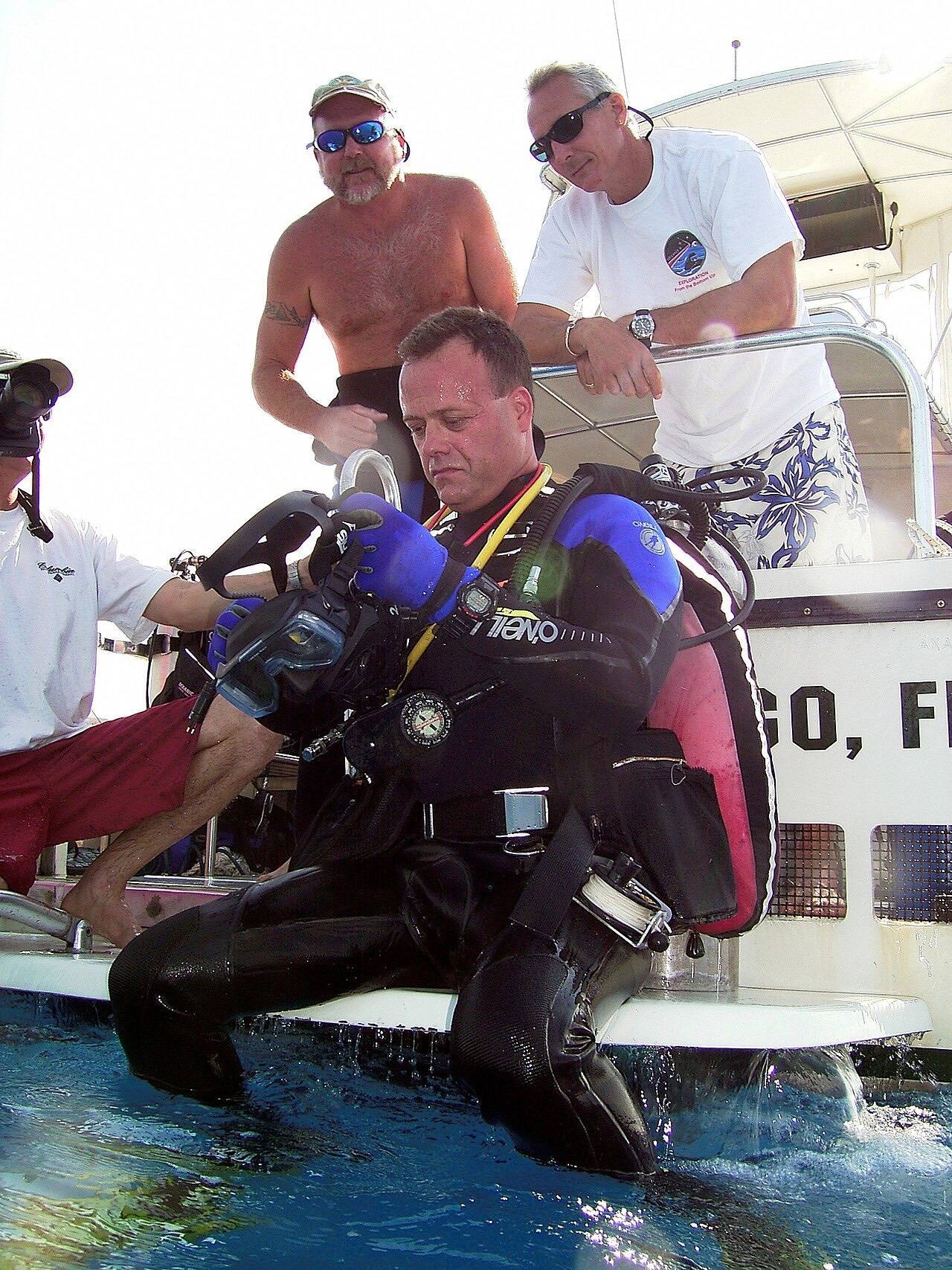
One glaring issue is the inconsistency in data collection methods across different organizations. Some institutions have adhered to rigorous standards, while others have employed more relaxed approaches. This disparity raises concerns about the validity of comparing findings across regions and time periods.
"The ocean does not operate in silos, and neither should our research. We need a unified approach to data collection." - Anonymous Marine Biologist
Moreover, the failure to establish a comprehensive framework for long-term monitoring has left significant gaps in the data. Without consistent oversight, it is challenging to track changes in marine ecosystems effectively. This oversight, or lack thereof, may have dire implications for conservation efforts and policy formation.
A Call for Accountability
The ocean is a vital resource that sustains countless species, including humans. As stewards of the planet, we have a responsibility to ensure that scientific inquiries into our oceans are conducted with the utmost diligence and integrity. The current state of ocean survey methodologies highlights a pressing need for accountability within the scientific community.
Both left and right factions in the environmental debate have their own agendas, often leading to exaggerated claims or dismissive attitudes toward scientific findings. Environmental activists may overstate the immediate threats to marine life to bolster their causes, while some industry advocates downplay the importance of rigorous scientific oversight in favor of economic interests. This polarization can cloud the critical conversations that need to happen around ocean health.
Finding Common Ground
To move forward, it is essential for scientists, policymakers, and activists to collaborate and establish a standardized protocol for ocean surveys. This collaboration must transcend political divides. The urgency of addressing climate change and its effects on ocean health demands a united front - one that prioritizes verified science over partisan agendas.
Conclusion
As the world grapples with the complexities of climate change and its impact on our oceans, it is crucial to reflect on the systems in place for understanding these vast waters. The current state of ocean survey methodologies is a quiet failure of oversight that we can no longer afford to ignore. We must advocate for a more robust framework that values scientific integrity and rigor, ensuring that our understanding of the ocean remains as deep as the waters themselves.
✦ ✦ ✦