From the file. Written for the paper dated November 2001. Opened in the public stacks July 14, 2026.
In a week defined by heightened emotions and polarized viewpoints, the media landscape has become a battleground, revealing the stark incentives that drive coverage and commentary.
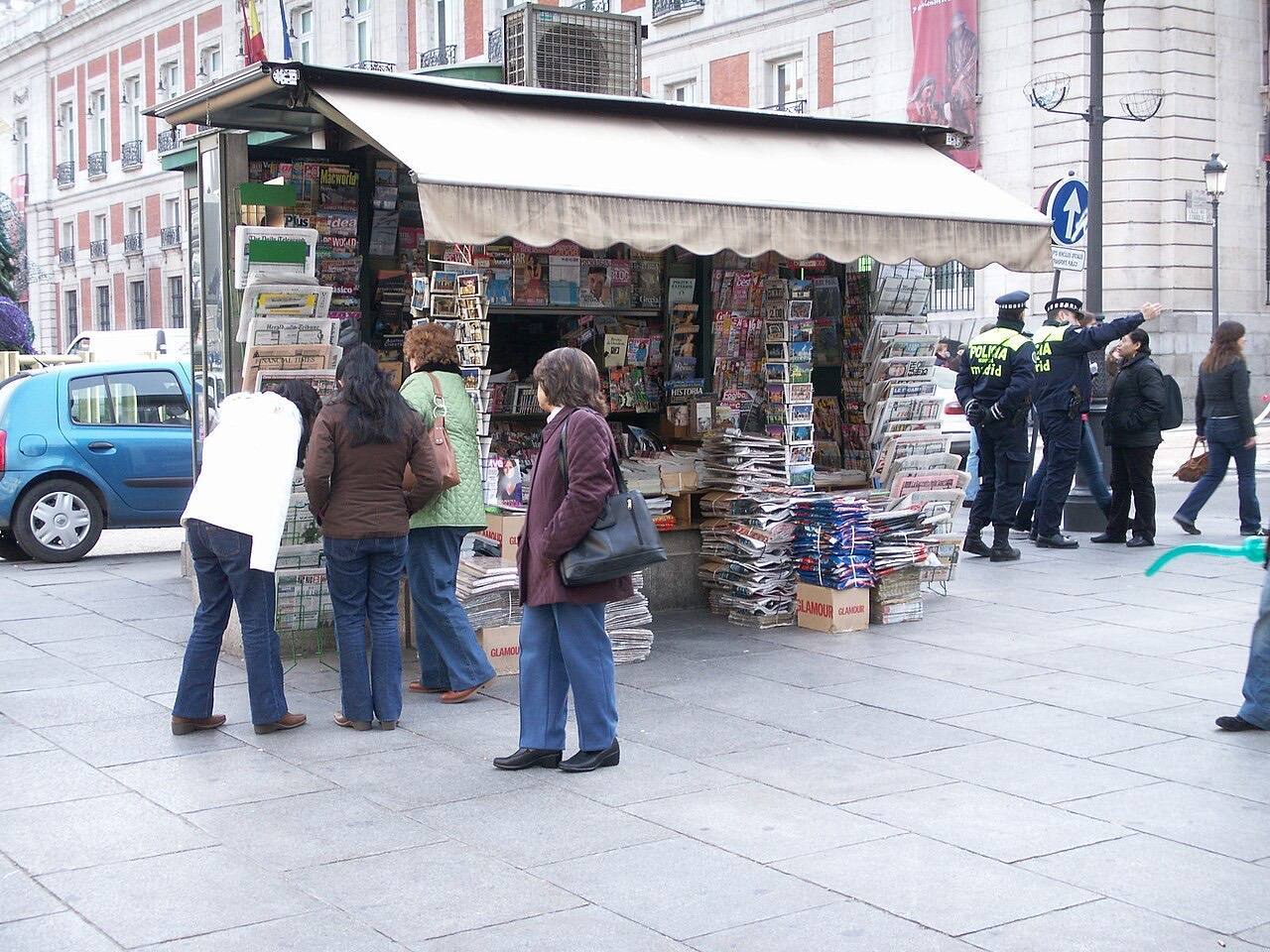
Polarization in Coverage
As we navigate the aftermath of the September 11 attacks, the media's role in shaping public perception has never been more critical. However, the incentives guiding coverage often seem misaligned with the needs of the public. On one side, we have the sensationalist approach, where some outlets push fear and outrage to capture ratings, while on the other, a more restrained and sensitive reporting style is sometimes criticized for lacking urgency. Both extremes reflect a troubling trend: media outlets prioritizing profit over responsible journalism.
"In the rush to capture attention, the truth often takes a back seat."
Many news organizations have adopted a 24-hour news cycle that prioritizes immediacy over accuracy. This has fostered an environment where speculation is often presented as fact, creating confusion and anxiety among the public. Rather than striving for journalistic integrity, some media outlets seem more focused on the next headline that will keep viewers glued to their screens.

The Left's Response
On the left, there is a palpable frustration with the government's response to the attacks and the ensuing wars. Many progressive commentators argue that the narrative surrounding national security is being used to justify excessive military action and curtail civil liberties. While their critiques are essential in fostering a necessary debate about freedom and security, some voices on the left have adopted an overly dismissive tone towards any national security measures. This knee-jerk rejection of all government initiatives can hinder productive discourse and alienate those who might otherwise agree on foundational principles.
The Right's Reaction
Conversely, the right has seized upon the current climate to rally around a narrative of unwavering patriotism, often at the expense of critical thought. The glorification of military actions and a strict "us versus them" mentality have dominated airwaves. While it is entirely justified to express patriotism and support for our troops, there is a risk of oversimplifying complex issues. The oversimplified rhetoric can lead to a dangerous complacency, where dissenting voices are viewed as un-American.
"Patriotism is vital, but it should not come at the cost of critical dialogue."
In many cases, this dichotomy leaves the public with a skewed understanding of the situation. The media's tendency to frame narratives as black and white can create a false sense of security and unity, while simultaneously stifling the nuanced discussions that are crucial in times of crisis. We must ask ourselves: how do we encourage a media environment that fosters dialogue rather than division?
The Role of Media Responsibility
Journalism should be a tool for enlightenment, not a weapon for division. The media must take responsibility for its role in shaping public discourse, especially during such tumultuous times. The challenge lies in balancing the urgency of reporting with a commitment to factual integrity. Media outlets must resist the temptation to succumb to sensationalism, instead opting for comprehensive reporting that engages the public in meaningful ways.
Furthermore, as consumers of news, we have a responsibility to demand better from our media. We must be discerning in our choices, supporting outlets that prioritize balanced reporting and that engage with diverse perspectives. By fostering an informed public, we can collectively push back against the forces that seek to polarize us.
Conclusion
As we reflect on the media landscape in November 2001, it is essential to acknowledge the incentives that drive news coverage and commentary. Both the left and right have their respective excesses that can cloud the truth and obscure the necessary conversations we must have about our future. The media has the power to either unite us or divide us; it is our responsibility to hold it accountable to the highest standards of journalism. In this critical moment, let us strive for a balance that fosters understanding, compassion, and informed discourse. Only then can we begin to heal and move forward together.
✦ ✦ ✦